
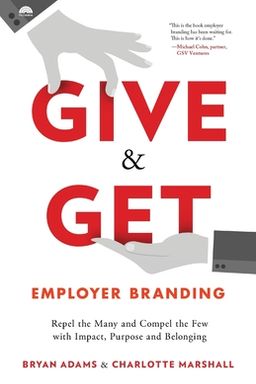
Give & Get Employer Branding cover

Give & Get Employer Branding

by Bryan Adams and Charlotte Marshall

Give & Get Employer Branding is your essential guide to transforming your recruitment strategy. Learn to attract top-tier candidates and turn employees into loyal brand ambassadors by leveraging a compelling, purpose-driven employer brand. Discover innovative techniques to refine your hiring process and create a thriving workplace culture.

Building a Magnetic Employer Brand

Would you work for your own company if you were job hunting today? That provocative question opens Employer Branding For Dummies, Glassdoor Special Edition by Alicia A. Garibaldi—a compact yet comprehensive guide that argues your employer brand is not just a marketing exercise, but the beating heart of your talent strategy. Garibaldi contends that a company’s reputation as an employer determines how easily it attracts and retains top talent. The organizations that thoughtfully shape and broadcast that reputation don’t just fill jobs; they create loyal communities of employees who become passionate advocates. The book blends practical branding tools with behavioral insights drawn from Glassdoor’s vast database of employee and candidate reviews.

The author insists that in today’s recruiting landscape, your employer brand—your reputation as a place to work—is inseparable from your ability to compete. While salary remains a key motivator, job seekers increasingly weigh culture, growth opportunities, leadership quality, and a sense of purpose before accepting roles. If you don’t define your employer story, she warns, others will do it for you—often online. The book’s argument mirrors Seth Godin’s notion in Tribes that authentic brand communities drive success; Garibaldi’s focus is those communities inside your organization.

Why Employer Branding Matters

Employer branding is now an imperative, not a luxury. Lars Schmidt, in his foreword, underscores that 78 percent of job seekers say internal ratings and reviews influence their decisions. This transparency has rewritten the rules of recruitment. Rather than tightly curated corporate pitches, the most magnetic companies reveal honest portraits of their culture, leadership, and daily work realities. They understand that authenticity attracts talent better than perfection.

Garibaldi differentiates employer branding from consumer branding: the former targets potential and current employees, the latter targets customers. Yet, the two align closely. Consumers increasingly prefer companies that treat employees well; employees prefer brands admired by customers. Building an authentic employer brand therefore strengthens the entire corporate identity.

The Structure of a Strategic Employer Brand

Across eight concise chapters, Garibaldi structures employer branding around five interconnected pillars: data analysis, transparency, employee engagement, visual identity, and mobile presence. These serve as both diagnostic and creative tools. Through data, you learn how your reputation compares with competitors. Transparency invites trust by opening windows into company operations. Employee engagement turns staff into advocates who shape authentic narratives. Visuals make those narratives vivid. And mobile strategy ensures accessibility for modern job seekers who research anywhere, anytime.

For example, Enterprise Rent-A-Car’s case study demonstrates how brand evolution can boost recruitment. By highlighting career growth and distributing authentic social media content, the company increased traffic by 130 percent and achieved over 1,000 hires via Glassdoor. Similarly, Mercy Health improved its time-to-hire by a week after using transparency-focused storytelling online. These examples show the tangible ROI of branding done right.

Understanding Your Employer Value Proposition

Central to the process is the Employer Value Proposition (EVP) — your clear answer to “Why should someone work for you?” Garibaldi guides you to define it through employee feedback, career growth data, and authentic cultural insights. She compares developing EVP to crafting your ‘elevator pitch’ for talent; it must resonate emotionally yet provide tangible reasons to join, such as mentorship programs, innovation, or flexibility.

A compelling EVP also requires alignment among leaders, HR teams, and marketing. When executives buy into employer branding goals, consistency permeates all touchpoints—from recruiting ads to onboarding experiences. And Garibaldi stresses that EVPs differ across audiences: what appeals to software engineers may differ from customer service professionals. Tailoring the message makes it meaningful and sustainable.

The Transparency Revolution

Digital transparency defines this era. Sites like Glassdoor allow employees to describe their work realities in real time. Some leaders fear this openness; Garibaldi sees it as leverage. Responding to reviews respectfully and learning from criticism demonstrates accountability and improves perception. VMware’s “Architects of What’s Next” and “#ilovevmware” campaigns exemplify creative transparency—inviting staff worldwide to share why they love their jobs. This participatory storytelling doesn’t just polish reputation; it humanizes the brand.

From Data to Design

Garibaldi recommends data-driven decision making. Employers can track review trends, retention rates, and candidate demographics to refine their brand messaging. She even suggests creating “word clouds” to visualize recurring themes in feedback—a design method that blends analytics with storytelling. By balancing quantitative and qualitative data, you can identify strengths to amplify and weaknesses to address. The result is a brand grounded in evidence, not guesswork.

Bringing It All to Life

Beyond metrics, the book emphasizes emotion. Using visuals, from employee photos to videos of daily life, empowers job seekers to “feel” your company. Coupled with mobile accessibility and social engagement, these tactics form a modern employer brand ecosystem. Finally, Garibaldi concludes with ten actionable steps—defining authenticity, encouraging reviews, fixing broken processes, and continuously iterating—to ensure your brand never stagnates.

Together, these strategies shape an enduring truth: in an era of radical transparency and global competition, the way you treat your people—and talk about it—determines the future of your talent pipeline. Employer branding, she argues, isn’t a marketing trick; it’s cultural transformation in motion.


Crafting a Compelling Employer Value Proposition

Your Employer Value Proposition (EVP) is your company’s magnetic center—the reason talented people choose you and stay with you. Alicia Garibaldi defines it as “the complete package of reasons for job seekers to choose to work for your company.” A strong EVP answers the ultimate candidate question: Why should I work for you? It must be clear, consistent, and grounded in reality.

Listening First

Garibaldi stresses that an EVP begins with listening. Ask employees why they joined, why they stay, and how they describe your company informally. These stories help shape authentic messaging. For example, Enterprise Rent-A-Car discovered through feedback that career advancement mattered more to young hires than starting salary—insight that transformed its employer branding and led to hundreds of new hires via Glassdoor.

Balancing Perspectives

Senior management may view EVP as about prestige or market leadership, while employees may value flexibility and culture. Garibaldi shows how to bridge this gap by creating shared language around organizational purpose and benefits. The EVP must resonate with both audiences, translating corporate goals into personal experiences. (For comparison, Simon Sinek’s work in Start With Why offers a similar call to articulate purpose clearly so people connect emotionally.)

Core Components

A strong EVP includes compensation, career growth, leadership, and appreciation. Each factor should reflect real company practices rather than wishful thinking. Garibaldi encourages creating a top-five list of reasons employees choose your company, supported by testimonials and data. This exercise converts abstract culture into concrete value.

Connecting the EVP to Strategy

Once defined, the EVP must be integrated across all recruiting and communication channels—career sites, social posts, job ads, even performance reviews. Consistency builds trust. Garibaldi argues that authentic stories and validated employee experiences resonate far more than polished slogans. As job seekers increasingly verify claims online, alignment between what you promise and what employees say becomes critical.

Your EVP, when maintained and refreshed, evolves into the narrative that powers retention and attraction. It’s the promise your company lives up to every day.


Measuring Your Employer Brand

Garibaldi reminds readers that branding, like any other strategic process, must be measured. You can’t improve what you don’t track. She introduces a data toolkit to evaluate how job seekers perceive your company and identify opportunities for refinement.

Setting Benchmarks

Begin by establishing benchmarks—ratings, retention data, and awareness compared to competitors. These help diagnose reputation trends. Garibaldi references Glassdoor’s analytics systems, which allow companies to view employee sentiment across categories such as culture, senior leadership, benefits, and career growth. Reviewing changes over time reveals areas needing strategic focus.

The Reputation Scorecard

Create a reputation scorecard incorporating review trends, interview feedback, and brand awareness. For example, if candidates label your interview process as disorganized, you can identify systemic flaws and redesign hiring communication. The book illustrates this with data from 1-800 Contacts, which improved candidate quality threefold by applying analytics to its Glassdoor activity.

Analyzing Competitors

Garibaldi shows how competitive tracking clarifies your position in the talent marketplace. Compare monthly page visits, demographics, and candidate sentiment to see what rivals are doing better. This insight guides where to invest—perhaps in leadership visibility, compensation clarity, or employee storytelling.

Embracing Continuous Improvement

Finally, she emphasizes adaptability. Employer branding is not static. She suggests setting weekly, monthly, and annual data review cycles to stay responsive. This proactive measurement converts feedback into strategic advantage, redefining your company’s story as it grows.

Key idea:

Brand measurement transforms intuition into evidence. Numbers reveal reputation gaps that stories alone can’t. Data isn’t cold—it’s the mirror of your organization’s culture, reflecting precisely where to build trust.


The Power of Transparency

In the age of Glassdoor and social media, transparency defines credibility. Garibaldi positions openness as the cornerstone of trust—for both candidates and current employees. Transparency means letting people see your culture, values, and leadership in action, even with imperfections visible.

Why It Matters

Job seekers expect realistic previews of jobs before applying. When expectations are unmet, they leave quickly. A Glassdoor survey cited in the book found that 61 percent of employees say new job realities differ from interview promises. Transparency corrects this disconnect by aligning messaging with daily experience.

Practical Steps

Garibaldi offers simple ways to build transparency: highlighting authentic workplace visuals, updating employer messages regularly, engaging in review conversations, and showcasing third-party endorsements. The Mercy Health case study illustrates how openness improved both diversity in applicant pools and speed of hiring.

Creating Interactive Campaigns

She cites VMware’s “Architects of What’s Next” and #ilovevmware campaigns, where employees shared their own stories and photos online. These initiatives turn staff into co-authors of the employer brand, fostering authenticity and engagement. It’s transparency as participatory marketing.

In Garibaldi’s world, transparency doesn’t mean exposing flaws recklessly—it means demonstrating that you respect truth. Honest brands invite stronger connections with talent because they promise reality, not perfection.


Engaging Employees as Brand Advocates

If transparency reflects honesty, employee engagement represents vitality. Garibaldi asserts that no branding campaign succeeds unless employees believe and share the story. Engaged workers act as powerful ambassadors whose voices outperform corporate slogans.

Understanding Employee Sentiment

She draws on Glassdoor research showing that 78 percent of job seekers consider employee reviews influential, while only 5 percent trust official company websites. That contrast underscores the value of genuine staff advocacy. In Zillow’s case, CEO Spencer Rascoff personally responded to reviews, demonstrating that the organization listened—four candidates later cited those replies as factors in accepting jobs.

Building Trust Through Dialogue

Garibaldi proposes evaluating feedback through both internal (surveys, meetings, exit interviews) and external (ratings, reviews, social media mentions) sources. A healthy brand listens and responds promptly. Seeing management engage respectfully, especially with criticism, reinforces faith among employees and candidates alike.

Motivation Framework

She identifies three motivational anchors for employee participation: the desire for success, the desire to be heard, and the pride of association. Recognition programs, growth opportunities, and storytelling are catalysts. When employees feel ownership, they actively recruit peers by sharing experiences.

Brands like Google and Salesforce illustrate similar principles—internal culture campaigns create external appeal. Garibaldi’s synthesis reminds leaders: employee engagement isn’t a perk; it’s the mechanism that turns culture into competitive advantage.


Bringing Your Brand to Life Visually

Visual storytelling makes your employer brand tangible. Garibaldi devotes an entire chapter to imagery and video, arguing that photos of real employees—not polished stock pictures—capture authenticity. Visuals help candidates sense culture and imagine where they fit.

Creating Authentic Content

She recommends crafting videos under two minutes that show team collaboration, milestones, and personal stories—a ‘day in the life’ approach. Ask employees to participate by filming their perspectives; reward creativity through contests or recognition. The goal is consistency across channels so that your brand feels unified everywhere.

Sharing Across Platforms

Visuals belong on career sites, social networks, and internal communication hubs. Whether it’s photos of company events or leadership messages, each piece builds emotional connection. Performics research cited by Garibaldi shows that 44 percent of people engage more with brands that post pictures—a clear mandate for visual communication.

Employee-Driven Creativity

Garibaldi encourages employee-generated content, like snapping pictures at volunteer events or celebrations. Such imagery demonstrates humanity and partnership. The blend of authenticity and emotion animates your EVP visually, creating an identity that prospective hires can trust and admire.

Visual storytelling, she concludes, transforms data-driven reputation into emotional resonance—the step where your brand stops being words and starts being a feeling.


Going Mobile and Modern

Modern recruitment happens on the go. Mobile capability, Garibaldi argues, is now essential to employer branding. If your career site isn’t optimized for smartphones, nearly half of potential applicants may never engage with you. Mobile is no longer optional—it’s the medium through which your brand breathes.

Why Mobile Matters

According to Glassdoor data cited here, 89 percent of employees planning to change jobs use mobile devices, and 68 percent do so weekly. Candidates research salary data, read reviews, and even apply through phones. If your site loads slowly or requires “pinch and pop” zooming, you lose credibility. Mobile readiness communicates agility and respect for the candidate’s experience.

Developing a Strategy

The author advises starting with analytics—measure how much current traffic is mobile. Study competitors’ mobile performance to benchmark design and responsiveness. Then, work with your web or IT teams to create seamless experiences that allow for quick application uploads and streamlined forms. The experience should match the elegance of consumer-grade mobile shopping interfaces.

Design Principles

Condense job posts for easy reading, minimize downloads, and avoid Flash formats. Mobile design means clarity and brevity—short messages, fast-loading visuals, and cross-device compatibility. Garibaldi references companies like Jibe and iMomentous that specialize in mobile-ready applicant tracking systems, highlighting how digital infrastructure drives branding success.

Essentially, mobile enables access and inclusion. It ensures that your brand reaches everyone, everywhere, reinforcing transparency and adaptability—traits central to modern employer identity.


Turning Strategy into Culture Change

Building blocks are meaningless without execution. Garibaldi’s later chapters translate employer branding from theory into organizational culture change. She reveals how branding influences recruitment, retention, and everyday employee pride.

From Plan to Practice

Develop your employer strategy collaboratively—HR, marketing, and leadership must co-create goals. Align the internal employee experience with the external consumer experience, so the brand feels consistent wherever people encounter it. When you promise respect and opportunity to candidates, those promises should mirror how customers experience your service.

Building Communal Identity

Garibaldi notes that cultivating niche communities—like networks of engineers or healthcare specialists—deepens long-term relationships. Create events, blogs, and job-specific content to nourish these groups. In doing so, your brand becomes less transactional and more relational.

Measuring Cultural Evolution

The book ends with ten simple steps—from defining authenticity to soliciting candidate feedback—that keep employer branding iterative. Repetition and reflection generate learning loops that transform hiring initiatives into enduring culture. Garibaldi’s central insight mirrors Peter Drucker’s wisdom that “culture eats strategy for breakfast.” Branding succeeds only when the internal reality lives up to the external promise.

When your employees genuinely embody your EVP, not because they’re told to, but because they believe it—that’s when employer branding becomes more than storytelling. It becomes the DNA of your organization.

Dig Deeper

Get personalized prompts to apply these lessons to your life and deepen your understanding.

Go Deeper

Get the Full Experience

Download Insight Books for AI-powered reflections, quizzes, and more.