
Idea 1
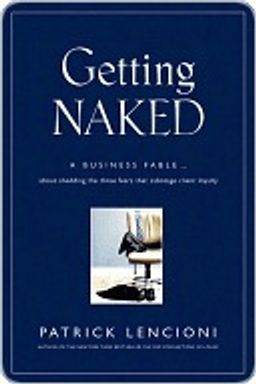
Getting Naked: The Power of Vulnerable Service
Have you ever hesitated to admit a mistake at work, fearing it might cost you credibility or a client’s trust? In Getting Naked, Patrick Lencioni argues that this fear of vulnerability lies at the heart of why professionals struggle to build deep, lasting client relationships. According to Lencioni, true loyalty comes not from projecting confidence or competence, but from practicing what he calls naked service—the radical openness, humility, and courage to put your clients’ needs entirely before your own ego or comfort.
At its core, the book is about overcoming the three fears that sabotage genuine service: the fear of losing the business, the fear of being embarrassed, and the fear of feeling inferior. These fears are what keep you from asking the tough question, telling the hard truth, or doing what truly benefits your client—even when those actions might make you vulnerable. Lencioni illustrates this philosophy through a fable about two contrasting consulting firms—Kendrick and Black, a big, polished firm, and Lighthouse Partners, a smaller but more authentic one whose surprising success stems from their willingness to be 'naked.'
The Heart of Naked Service
Lencioni’s central message is that vulnerability builds trust faster than perfection ever could. When you admit mistakes, show humility, or take risks for the benefit of your clients, you create a depth of confidence and connection that no amount of technical brilliance can match. Naked consulting, then, isn’t about being reckless or unprofessional—it’s about being so dedicated to your client’s success that you’re willing to face short-term discomfort.
He paints this through the story of Jack Bauer (no, not the TV one), a high-performing consultant from Kendrick and Black. After his firm acquires its smaller rival, Lighthouse Partners, Jack is tasked with integrating the two. Expecting to whip their “soft culture” into professional shape, he instead discovers that Lighthouse outperforms his bigger, flashier company. The reason? Their consultants put ego aside, engage clients with humility, and don’t shy from awkward honesty. Over time, Jack learns that vulnerability is not weakness—it’s the ultimate professional strength.
Why Vulnerability Wins
For many professionals, vulnerability seems risky. Admitting a mistake, showing uncertainty, or disagreeing with a client feels like asking for rejection. But as Lencioni points out, clients can smell fear. When you protect yourself, manipulate perceptions, or try to appear infallible, clients sense insincerity. In contrast, when you show authenticity—by being candid, open, and selfless—they trust you more.
This truth echoes the message of thinkers like Brené Brown, who links vulnerability to courage and connection, and Simon Sinek, who shows how trust drives lasting relationships. In business terms, naked consulting yields a competitive advantage: clients are sticky, referrals increase naturally, and the job itself becomes more fulfilling.
The Three Fears
The entire model of naked consulting revolves around shedding three pivotal fears:
- Fear of Losing the Business: The temptation to avoid tough conversations or overprotect information for fear of losing a deal.
- Fear of Being Embarrassed: The fear of looking uninformed or foolish in front of clients, which prevents honest questions or creative ideas.
- Fear of Feeling Inferior: The ego-driven need to appear more important or impressive than your client.
Each fear erodes authenticity and disconnects professionals from the people they’re supposed to serve. But when you replace them with courage, humility, and empathy, your clients respond with remarkable trust.
From Theory to Practice
Lencioni’s greatest contribution lies in translating these ideas into practical behaviors. Naked service isn’t abstract—it’s a set of consistent habits: always consult instead of sell, tell the kind truth, enter the danger, ask dumb questions, make dumb suggestions, celebrate mistakes, take a bullet for the client, and honor their work. These principles are counterintuitive but deeply powerful. They demand not arrogance, but courage—the willingness to serve with no armor between you and the client.
The story’s emotional arc mirrors what every professional experiences. Jack’s journey from skepticism to humility echoes transitions many leaders undergo when they discover that success comes not from image management but from authentic service. The lesson applies far beyond consulting—to salespeople, doctors, teachers, lawyers, and even internal corporate teams.
Why This Matters Today
In an age of polished LinkedIn profiles and AI-driven business strategies, Getting Naked feels refreshingly human. It reminds us that people don’t buy expertise—they buy trust. Vulnerability, far from being a liability, is the foundation of loyalty and love in professional relationships. Whether you’re leading a client project or mentoring a colleague, the courage to be seen as imperfect but genuine transforms ordinary service into something extraordinary.
“Naked service is not about being reckless; it’s about being relentlessly honest, humble, and human.”
The rest of this summary will break down Lencioni’s framework in detail—examining each of the three fears and the behaviors that eradicate them, showing you how to practice vulnerability boldly and intentionally in your own work and relationships.