
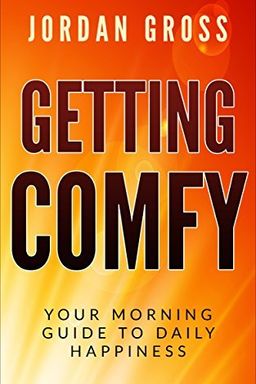
Getting COMFY cover

Getting COMFY

by Jordan Gross

Getting COMFY by Jordan Gross provides a transformative approach to mornings. With a five-step routine, it helps readers start each day with calmness, connection, movement, laughter, and passion, setting the stage for a productive and fulfilling life.

Surviving and Thriving as a Rookie in the NFL

What does it truly take to survive your first year as an NFL player? You’ve trained all your life for this moment—draft calls, signing bonuses, roaring fans, and the dream of wearing that official jersey. But as Ryan Kalil, Jordan Gross, and Geoff Hangartner reveal in The Rookie Handbook, stepping onto a professional field is only half the battle. The harder part? Learning to be a professional—on the field, in the locker room, with the media, and even at dinner.

This tongue-in-cheek yet deeply practical guide draws on years of NFL experience to teach new players the unwritten rules and pitfalls of life in the league. While it centers on football, its lessons about humility, professionalism, and adaptability resonate with anyone entering a high-stakes career or environment. The authors—veteran offensive linemen known for protecting quarterbacks and mentoring fresh talent—frame their advice with humor but also an unmistakable edge of hard truth: the NFL stands for “Not For Long.” Your ability to navigate this volatile world determines whether you last more than a season.

The Harsh Reality of the Rookie Experience

The handbook opens by smashing the glamorous image of professional football. Once the rookie contract is signed, the real work starts: mastering playbooks, surviving grueling training camps, and adjusting to the intense scrutiny of coaches and media. The veterans call you “rook,” and they’re watching your every move—not to destroy you, but to see if you can handle pressure without crumbling. In this hyper-competitive ecosystem, respect isn’t given for being drafted; it’s earned through daily grind, humility, and emotional control. The authors make it clear: talent may get you noticed, but maturity keeps you employed.

Kalil and his coauthors peel back the curtain on the small yet crucial rituals that define team culture: singing your initiation song, carrying veterans’ pads, or buying doughnuts for the squad. These aren’t hazing rituals—they’re tests of attitude. Handle them with grace and humor, and you’re one of the guys. Resist or pout, and you’ll find yourself isolated fast.

From Pre-Draft Jitters to Financial Literacy

The book begins months before the season kicks off—during the pre-draft limbo when players face endless medical exams, combine drills, and agent whisper campaigns. Kalil and Gross mock the absurdity of the “poke and prod” process but also emphasize preparation and composure as your greatest assets. No matter what every analyst or YouTube scout says, no one truly knows where you’ll be drafted or whether you’ll be drafted at all. The key lesson: don’t believe your own hype, and never assume success before it’s official.

Once the ink dries, the financial section delivers some of the book’s bluntest truths. NFL money seems limitless, until you pay taxes, agent fees, and family “loans.” The authors expose common traps: predatory financial advisors, endorsement deals with hidden obligations, and the urge to splurge on “dream cars” or glittery jewelry. Their rule is simple—spend like your career could end tomorrow, because for many players, it does. (Seen similarly in The Millionaire Next Door, the emphasis on frugality contrasts sharply with celebrity culture.)

Learning the Rookie Mindset

At its heart, The Rookie Handbook is about mindset. The authors hammer the importance of awareness: knowing your tempo in practice, maintaining professionalism in interviews, and understanding locker-room politics. For instance, the section on “Practice Tempo” warns that nothing irks coaches more than players who can’t match the expected speed of drills. Better to be told to “slow down” than “pick it up.” Similarly, being early—not just on time—is a silent code of respect in the league.

Equally revealing are the sections on meetings and media. From staying awake in endless film sessions (“coffee, not hot chocolate”) to avoiding traps from manipulative reporters, the authors teach you how to protect both your focus and your reputation. Say less, listen more, and cover your bottom line—literally, as one section humorously titled “Nude & Interviewed” advises rookies to always be camera-aware in the locker room.

Navigating the Hidden Ecosystem: Coaches, Staff, and Fans

The handbook pulls no punches on organizational power structures. From the general manager down to the equipment crew, everyone evaluates you. Being respectful to the training staff, tipping the equipment managers, and never brown-nosing the owner—these social nuances can make or break your reputation. The authors balance satire and sincerity to show that success depends as much on relationships as on raw athletic ability.

The section “Know Your Fans” humorously categorizes enthusiasts: from “eBay Guy” reselling autographs to “Creepy Fan” who knows your birthday. Through these vignettes, Kalil and Gross remind readers that fame comes with exposure. The smartest pros draw boundaries between their professional image and private lives—advice that translates to anyone in the public eye.

Why This Playbook Matters Beyond Football

While The Rookie Handbook serves as a humorous orientation for NFL newcomers, its enduring relevance lies in teaching adaptability, emotional intelligence, and humility under pressure. Whether you’re a young professional, startup hire, or military recruit, the lessons apply: arrive early, respect the veterans, manage your money, control your public persona, and never confuse talent for entitlement. Through a blend of self-deprecation and sharp wit, Kalil and crew transform locker-room lore into universal rules for professionalism and resilience.

By the final section, the message is clear: everyone starts as a rookie—in football, in life, in any competitive arena. What matters is how you respond. You either take the hits, learn the playbook, and grow—or you fumble the opportunity. With its balance of comedy and candor, The Rookie Handbook is both a survival manual and a mirror reflecting the deeper truth: maturity, discipline, and respect—not raw talent—define true pros.


Mastering the Pre-Draft Chaotic Machine

Before an NFL rookie ever signs a contract, they must navigate the bizarre circus of the pre-draft process. Kalil, Gross, and Hangartner walk you through it with humor and unfiltered realism. Between agent pitches, medical exams, and stress tests, the pre-draft period is a crash course in humility and endurance. According to them, the NFL Combine might as well be a human auction block—each movement scrutinized, measured, and poked for weaknesses.

Choosing Training and Representation

From day one, you have to decide where to train and who to trust. Some players head to glamorous facilities with personal chefs and recovery pods, while others stick with old college coaches. The authors recommend focusing less on appearance and more on minimizing distractions. Agents, meanwhile, come in every flavor—from the flashy to the family friend who thinks watching ESPN makes them qualified. Their blunt advice: an agent can’t get you drafted, only prepared. The right one mentors you; the wrong one drains your wallet.

The "Poke and Prod" and the Interview Gauntlet

Medical evaluations—affectionately nicknamed “poke and prod”—are brutal. Over thirty team doctors and trainers will pull, twist, and examine every joint as if you’re a used car on display. The authors note that honesty is necessary, but oversharing hurts your chances. Doctors aren’t your friends—they assess risk for an investment. As they warn, “Don’t go full disclosure unless you’re still bleeding.” After the exams come fifteen-minute interviews with GMs and coaches. These sessions range from genuine to interrogative; you might face friendly chats or psychological exams disguised as casual conversation. Either way, the key is authenticity and composure. Teams hate canned answers and love passion for football. They’d rather hear you aspire to teach the game than start a clothing brand.

Draft-Day Decisions and Emotional Turmoil

When the big day arrives, your choice of where to watch matters almost as much as your forty-yard dash time. The book describes several archetypes: players stranded in the “Green Room,” the calm “Getaway” types, and the unlucky ones hosting enormous home parties that turn awkward when their names aren’t called. Their advice? Keep it small and personal. It’s better to celebrate quietly than publicly implode. Not being drafted isn’t the end—it might even be an opportunity, since undrafted free agents can choose the systems best suited to their skills. Numerous All-Pros have taken that route. The core lesson? Fame will come if you perform; pressure destroys those who chase it too early.

This entire section of The Rookie Handbook essentially echoes the book’s deeper philosophy: control what you can, ignore what you can’t, and never let rumors define your worth. In a system built on uncertainty, preparation and self-awareness are your best armor.


Money, Ego, and the Rookie Paycheck

Money changes everything—quickly. Kalil and his co-authors treat this section like financial boot camp wrapped in sarcasm. They remind you that after taxes, agents, and obligatory family generosity, half your paycheck is already gone. As exciting as a new financial reality is, it can also end your career if mismanaged. The most sobering statistic they reference: most NFL players go broke within a few years of retirement.

Playing Defense with Your Wallet

You’ll meet sharks disguised as financial advisors. They’ll promise to double your income or sell you luxury timeshares in the Bahamas. The authors urge you to “live like a broke college kid” a few months longer. Don’t buy into pre-draft loans, and don’t chase endorsements without understanding contractual fine print. freebies aren’t free—they cost your time and brand reputation. Equally meditative is their stance on materialism: if you must splurge, do it smartly. Decoration over prudence separates the enduring professional from the short-timer.

The Mirage of Fame and Discounts

Many rookies brag about “pro discounts,” yet ironically pay more when vendors know they can. The authors call it out: staying humble and paying full price earns far more respect than flexing status. Their chapter “Fugazi” gleefully skewers the fake-jewelry culture of sports, praising the wisdom of buying cubic zirconia instead of diamonds. Why spend thousands to impress people you’ll never see again? It’s the same value system promoted in works like Your Money or Your Life: know the difference between image and independence.

Tickets, Temptations, and Entitlements

Early in your career, everyone wants “just one ticket” to your next game. The authors advise setting boundaries from day one. You get two free home-game tickets—none for away games—and every other request comes out of your pocket. Handle ticket logistics early and diplomatically, or you’ll find yourself stressed before every kickoff. Likewise, endorsement deals and appearances may seem glamorous but often drain the most precious resource—time and focus. Do the math before saying yes to anything that looks ‘too cool to refuse.’

Ultimately, the trio distills its financial gospel down to maturity. Spend wisely, save early, and assume your professional window is short. Because, as they put it, “In this league, coins disappear faster than teammates.”


Learning the Hidden Hierarchies of Locker Room Life

Locker rooms in the NFL are ecosystems with unwritten laws. The authors demystify this hidden culture, making it clear that understanding these social codes can save your career. Every rookie arrives eager to impress; every veteran quietly watches how you handle yourself. Your goal? Fit in without forcing it.

Rituals of Respect

Your first challenge often involves humiliation by tradition: singing in front of the team, performing bad stand-up, or getting a ridiculous haircut. It’s not hazing—it’s measuring your attitude. When veterans see you embrace these rites without complaint, they start respecting you. One section humorously advises: “If you think you’re too cool to sing Motown at lunch, you’re not ready for the NFL.” Displaying humility proves you understand that nobody is above the team.

Navigating Teammate Archetypes

Kalil and Gross sketch vivid portraits of locker-room stereotypes: the Ghost Lifter who fakes workouts, the Workout Warrior who looks great but can’t play, the Sabotage Vet who gives bad advice, or the Coach’s Pet who brown-noses constantly. Recognizing these personalities helps rookies avoid traps. The best pros, they insist, keep their heads down and let their play speak loudest. Every locker room has characters—just remember: alliances can shift fast. When in doubt, observe before you talk.

Humor, Pranks, and Insider Etiquette

NFL teams thrive on humor and pranks, from icy bucket surprises to ‘soap grenades’ in the showers. These stunts—though ridiculous—bind players together amidst daily stress. As the authors note, laughter is part of survival in a job where injury is constant. Still, rookies must know their place. Never retaliate against a veteran prankster, or you might find your car on cinderblocks. Understanding where jokes end and respect begins is crucial to staying out of trouble.

These lessons extend beyond sports. Every workplace has hierarchies, mentorship dynamics, and social expectations. Whether you’re a new intern or employee, learning the culture’s rhythms and unwritten rules determines whether you’re seen as part of the team—or an outsider playing the wrong tune.


On-Field Poise and Emotional Control

Physical excellence is expected in football; emotional composure is rare. Throughout the book, the authors stress that your reactions—more than your stats—define your longevity. They introduce several key practices for maintaining professionalism under pressure.

Mastering the Art of Focus

During games, things go wrong: blown plays, bad calls, heated trash talk. The chapter “One Snap and Clear” describes how elite players recover instantly. You acknowledge the mistake, learn the lesson, and move on. Dwelling on errors leads to spiraling self-doubt. Equally critical is staying silent during verbal spats. The authors remind rookies that trash talkers exist to distract; wisdom lies in smiling and walking away. Every argument costs focus, and cameras catch everything.

Respect for the Game and Officials

When discussing referees, they sound almost philosophical: referees are humans, not villains. Building rapport with officials—remembering their names, treating them respectfully—earns more goodwill than shouting. It’s one of the book’s broader metaphors about professional courtesy: yelling rarely changes outcomes, but composure invites respect. This echoes principles from The Seven Habits of Highly Effective People, where emotional mastery is portrayed as the ultimate leadership trait.

Mistake Management and Recovery Culture

Football’s emotional toll shows up in losses, injuries, and public criticism. Kalil’s group emphasizes routine and discipline as antidotes to chaos. Maintain hydration, recovery, and sleep; avoid unnecessary celebrations that risk embarrassment or injury. Their famous warning—“Do you really want to be known for tearing your ACL celebrating?”—turns into a life motto: don’t let excitement cloud judgment. You show professionalism not when things go right, but when they fall apart.

In essence, the rookie who learns self-control early graduates to veteran faster. Poise isn’t weakness—it’s sustained strength under fire.


Staying Healthy, Humble, and Employed

Physical maintenance makes or breaks a career in sport, but in The Rookie Handbook, health isn’t just about muscles—it’s about responsibility. The trio of authors pull from years of surgeries, film sessions, and ice baths to weave a survival guide around self-care and accountability.

Playing Through Pain vs. Knowing Your Limits

Their “Injury System Check” outlines a crucial lesson: know the difference between being hurt and being injured. Sore knees and bruised ribs are part of the paycheck; torn ligaments are not. The authors fearlessly mock the “tough guy” image that causes players to hide pain, reminding readers that long-term denial leads to short careers. Coaches appreciate resilience, but teams invest in stability. Your worth rises when you manage your health intelligently.

Rehabilitation and Routine

When injury does strike, personal responsibility becomes your lifeline. “Take Control of Your Rehab” warns against passivity in the training room—ask questions, understand treatments, and take initiative. They cite the cautionary tale of Wally Pipp—the player who sat one day with a headache and lost his job forever to Lou Gehrig—as proof that absence breeds replacement. Motion is indeed lotion, they say, but wisdom lies in balance.

Everyday Maintenance and Medical Literacy

Sections like “Pharmacy” and “Common Treatments” explore the ethics of painkillers, supplements, and gadgets. Rookies should question everything from anti-inflammatories to cryotherapy. The punchline—“take responsibility for what you put into your body”—lands seriously. In today’s wellness-obsessed culture, their message parallels scientific advice about informed healthcare: curiosity protects longevity better than compliance.

Finally, they wrap their counsel with humility. Every player will face injury, rehab, or even getting cut. The ones who persist, stay fit, and treat staff respectfully often outlast more gifted peers. In any profession, endurance begins with stewardship—of the body, of time, and of attitude.


Managing Public Life and Personal Identity

Beyond the field, every rookie enters a second arena: the public eye. The authors blend humor and caution, mapping the rough terrain of fame, media exposure, and personal boundaries. In today’s hyper-connected world, managing perception is as vital as managing performance.

The Media Game

Press obligations are part of the job—you can’t skip interviews, but you can control your narrative. In sections like “Grit Your Teeth Answers” and “The Rephrase Interview,” they illustrate how reporters may reword questions to get a quote that fits their story. The safe reply? Respectful honesty and brevity. Never give your number to journalists; once the barrier breaks, boundaries vanish. Veteran wisdom boils down to: speak like everything you say is recorded—because it usually is.

Representing Your Team Beyond the Stadium

Public appearances, community service, and team clothing all project your organization’s brand. The authors warn against “team gear at the nightclub” or bragging through apparel—it reads as insecurity, not pride. True representation means showing up to charity events, mentoring kids, and acting like an ambassador without expecting applause. It’s leadership by conduct, a theme reminiscent of Extreme Ownership by Jocko Willink, where action trumps rhetoric. Even small gestures—like signing autographs for children but ignoring exploitative eBay sellers—define your legacy long after stats fade.

Privacy, Safety, and Relationships

The authors close with intensely personal warnings: your schedule is public, your home is a target. Install security systems, guard your information, and choose relationships wisely. Their “Dating” section reads like a psychological playbook: beware of Coach’s Daughter, the Gold Digger, and the Jersey Chaser. It’s funny until it isn’t—these anecdotes underline the real emotional risks that come with visibility. Fame attracts attention, but discernment protects peace of mind.

In sum, mastering public life requires self-awareness. The key, they argue, is remembering that what you do defines who you are—what you post merely advertises it.


Playing the Long Game: From Rookie to Veteran

By the final chapters, The Rookie Handbook shifts from survival to longevity. The NFL, they remind us, is not forever—every career ends. What differentiates those who fade quickly from those who evolve is how they prepare for the aftermath.

Staying Employable

Job security in football is fickle. Even performing well doesn’t guarantee a roster spot. The practical wisdom here is timeless: always be ready. Stay in shape even after being cut; your next opportunity could call at 3 p.m. today. Don’t assume relationships will save you—GMs make decisions with cold logic, not sentiment. Similarly, never believe you’re indispensable. The “Quickest Ways to Get Cut” section lists unforgivable sins like skipping curfew, injuring the quarterback, or calling out management in the press. The key metaphor is clarity: professionalism equals employability.

Transitioning Beyond the Field

Postseason reflections highlight humility. The authors profile ex-players who reinvented themselves—as coaches, commentators, or entrepreneurs—but also those who floundered. Their archetypes—the Commentator who exaggerates his legacy, the In-Limbo player who can’t retire, the Generic Businessman trying to ‘network’ without purpose—strike a warning chord. Identity collapse, they suggest, happens when players confuse “what they do” with “who they are.” Preparation for life after football must start early. “The game goes on with or without you,” they write, “but you get to choose how your story continues.”

Paying It Forward

The final message transcends sport. Every generation of professionals inherits wisdom from those before. Veterans, they argue, owe rookies honesty and guidance. Mentorship sustains the fraternity’s integrity—and mirrors an essential truth of any field: true success multiplies when shared. When they urge readers to “show others how to be a professional,” it becomes clear that this handbook isn’t just about football—it’s about building legacies rooted in respect, gratitude, and growth.

In essence, The Rookie Handbook concludes where great careers begin—with the mindset that excellence without humility is fleeting, but professionalism endures forever.

Dig Deeper

Get personalized prompts to apply these lessons to your life and deepen your understanding.

Go Deeper

Get the Full Experience

Download Insight Books for AI-powered reflections, quizzes, and more.