
Idea 1
How Epidemics Reshape Civilization
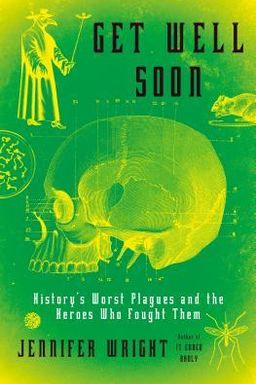
You might think epidemics are medical events, but this book shows they are civilization-level stress tests. Across centuries—from Rome’s Antonine plague to the AIDS crisis—the author argues that disease repeatedly exposes what societies value, how they govern, and whether they learn. Plagues don’t just kill bodies; they rewrite politics, economics, religion, and the meaning of community. To grasp that arc, you must see epidemics as both biological and behavioral stories.
Epidemics as catalysts for collapse and renewal
Disease often accelerates decline by undermining trust and leadership. The Antonine plague drained Roman legions, devastated revenue, and shattered the aura of imperial invincibility. Similarly, smallpox didn’t simply arrive in the Americas—it toppled empires by killing rulers like Huayna Capac and triggering civil wars that invited conquest. Yet from that collapse came new institutions and eventually preventive systems—variolation, vaccination, and international public-health cooperation.
Each epidemic teaches you what happens when biology meets society: leaders may sell treasures to fund war, persecute minorities for comfort, or inspire reforms. Marcus Aurelius combined stoicism with decisive action; his successor Commodus let superstition win. Leadership—not pathogen alone—determines survival.
Fear, faith, and superstition as responses
When terror spreads faster than fact, people reach for magic. The Middle Ages saw onion poultices and exploding frogs against plague because miasma theory made foul air the villain. But thinkers like Nostradamus used observation to push toward hygiene: remove corpses, boil water, clean linens. His advice, oddly modern, demonstrates how incremental rationality shifts outcomes. Over centuries, superstition yielded to sanitation, and sanitation to science.
Fear also produces social contagion. The 1518 Dancing Plague was hysteria embodied—hundreds dancing until collapse under famine stress. Compare that to modern mass psychogenic episodes (e.g., Tanzanian laughter epidemic or Le Roy tics)—biology and psychology intertwine. Communities that respond with empathy instead of punishment recover faster. Compassion becomes therapy when distress is social.
Data, observation, and the birth of epidemiology
The journey from superstition to science culminates in John Snow’s cholera investigation. His map of deaths around the Broad Street pump turned observation into intervention—removing a pump handle saved lives. Snow’s courage to defy consensus parallels modern epidemiology’s method: trace facts, ignore myths, and act. His legacy echoes through today’s outbreak response systems.
(Note: Snow’s work wasn’t just technical—it showed that evidence must outweigh convention. In that way, he anticipated modern data-driven policymaking.)
Ethics, stigma, and the human dimension
Epidemics reveal not only scientific capability but moral character. Syphilis and leprosy expose stigma’s cruelty: when shame silences sufferers, harm multiplies. From the No Nose’d Club to Father Damien living among Molokai’s lepers, dignity-based care becomes moral intervention. Mary Mallon’s story shows another ethical tension: balancing liberty and safety in managing carriers. Quarantine can protect but also destroy trust if handled coercively.
Later chapters link these lessons to modern crises. The Spanish flu magnified censorship’s cost—governments stifled truth for morale, killing thousands in false calm. Encephalitis lethargica proved research patience matters: decades after the epidemic, Oliver Sacks’s L-dopa awakenings restored lives, underscoring that perseverance in science matters as much as speed.
Science, leadership, and collective action
The book ends with embodiment of hope—the polio campaign and the AIDS activism era. During polio, FDR transformed fear into collective action: the March of Dimes funded vaccines and showed civic energy at scale. During AIDS, activism replaced official neglect, proving that communities can drive science and dignity forward when institutions falter.
Together these stories argue that epidemics are mirrors, reflecting who we are under pressure. They expose fragility but also resilience. Whether ancient or modern, survival depends not solely on medicine but on empathy, truth, and cooperation. The book’s final message is simple yet urgent: civilization’s health relies on both scientific discovery and moral clarity. You can’t cure disease without curing denial.