
Idea 1
Private Pain, Public Extremes
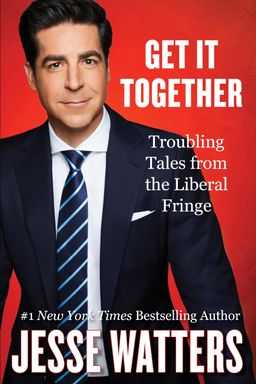
Why do intelligent people cling to extreme ideas? This book argues that the shortest path to an answer runs through biography, not white papers. Across arresting interviews—from an open-borders theorist (Joe Carens) and a Beltway-blocking climate protester (Paul), to a BLM radical (Emily), a conspiracist (Ayo Kimathi), a sex-economy entrepreneur (Sky), a gentle-parent absolutist (Kaytlynn), a psychedelic shaman (Hector), an indigenous statue-toppler (Mike), a cuddler and a Vodou priestess (Amanda and Sallie), and a pro-decriminalization drug user (Doc)—Jesse Watters keeps returning to one central claim: private wounds often power public worldviews. You see trauma, abandonment, humiliation, or isolation converted into sweeping frameworks about justice, identity, and power.
Watters doesn’t romanticize the wounded; he listens long enough to hear the hinge between biography and belief. The pattern he uncovers is not that ideology is irrational; it’s that the path into ideology can be emotionally logical. Once you grasp that logic, you can debate ideas without dismissing the person—an approach that paradoxically makes persuasion more likely. (Note: This framing echoes Jonathan Haidt’s moral foundations work and the social-psychology of “motivated reasoning.”)
How pain becomes politics
The book maps a consistent three-step arc. First, a wound: Carens hints at abuse in a Catholic setting; Emily is shipped at fourteen to a punitive “therapeutic” program; Ayo grows up without a father and meets him only at twenty-seven; Kaytlynn absorbs a religious message that her needs don’t matter. Second, a story: a theory or movement supplies meaning—open borders as fairness, street protest as family, conspiracies as control, gentle parenting as reparation. Third, an identity: activism, scholarship, or spiritual practice offers belonging and moral purpose that stabilize a shaky self. Each interview shows how a private pain recruits a public posture that “makes sense.”
Ideals vs. implementation
The book’s second pillar is a relentless demand for operational answers. It’s not enough to diagnose injustice—you need a buildable plan. Carens refuses to translate moral ideals into border policy mechanics; Chris the Stalinist presents nationalization without addressing capture or efficiency; Paul urges WWII-scale climate mobilization but glides over budget, supply chains, and grid readiness. Watters applauds moral clarity but insists on plumbing: who pays, who decides, what tradeoffs do you accept? (Note: This rhymes with the classic Hayekian critique—knowledge and incentives matter as much as ideals.)
Identity experiments at the edge
A striking thread is experimentation with bodies, sex, and spirit as people seek agency or healing. Sky pitches a regulated, professionalized sex industry as empowerment; Hannah reframes nature as an erotic partner; Amanda sells oxytocin through cuddling; Sallie offers ritual healing via Haitian Vodou; Hector serves a toad sacrament that can catalyze rebirth—or psychosis. Doc champions drug decriminalization after nearly dying from fentanyl; Cindy relies on a squirrel for emotional stability and collides with airline bureaucracy. These journeys surface a modern hunger: if institutions feel cold or hypocritical, you will invent alternate routes to meaning and relief. The results can be life-giving, dangerous, or both.
Memory, monuments, and redress
Mike’s toppling of a Columbus statue brings a different register—history as a living argument. For him, monuments authorize conquest. He pairs street action with civic offers: teach genocide history, return select parks and burial grounds to tribal stewardship, and honor treaties where feasible. The book uses this case to show how symbols structure belonging—and why changing them becomes a proxy fight over national memory. (Comparison: The Rhodes Must Fall and Confederate monument debates follow the same script of memory, dignity, and power.)
Core throughline
“People become dissidents for psychological reasons. Their ideology isn’t logical, but the path toward that ideology was.”
What this means for you
If you want to understand extremism—or just argue better—start with story before statistics. Ask where the idea came from in a life, then demand what it would take to implement without breaking something else. That stance—empathetic inquiry plus practical rigor—is the book’s signature move. It lets you see why a Beltway blockade or a Stalin shoutout can feel morally obvious to someone, while still pressing for the costs they’re asking others to carry. The lesson is personal and civic: people need structure and belonging; societies need rules and compassion; and durable reforms happen where empathy meets execution.