
Idea 1
Building Lifelong Financial Security
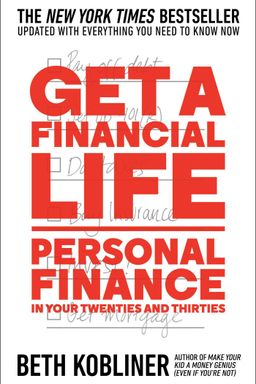
How do you take control of your finances without feeling overwhelmed? In Get a Financial Life, Beth Kobliner argues that money control starts not with wealth, but with organization and smart prioritization. You don’t need complicated strategies or huge paychecks—you need simple, high-return habits that compound over time. Kobliner insists that ordinary people can achieve extraordinary financial stability through clear priorities: protect yourself, kill bad debt, save automatically, and invest intelligently.
This book serves as a blueprint for adulthood—a personal finance manual for people who want to make responsible choices without giving up their lives to spreadsheets. It teaches practical moves such as taking advantage of employer benefits, protecting your credit, saving for emergencies, and building long-term wealth using low-cost, diversified investments. Along the way, it dispels myths (like “you must buy a home to build wealth”) and champions informed decision-making over fear or impulse.
Start with Protection
Kobliner opens with insurance, emphasizing that financial ruin often begins with unexpected events, not bad habits. Health insurance is nonnegotiable because medical bills can destroy savings. The book stresses that even young, healthy workers must have coverage—employer plans usually offer the best deals, but marketplaces and parental coverage up to age 26 can fill the gap. Once protected against catastrophe, you can shift focus to deliberate growth.
Move from Chaos to Clarity
The heart of financial life is control over income and spending. Kobliner’s budgeting advice begins with a simple act: track every dollar for a month. You discover where money leaks out (daily coffee, impulse buys) and how small shifts build savings. Her rules of thumb are clear: limit non-mortgage debt to under 20% of take-home pay, keep housing below 30%, and save at least 10%—15% when possible. By automating savings, you “pay yourself first,” turning good intentions into consistent progress.
From Debt to Freedom
Kobliner calls debt “financial quicksand” and outlines methods to escape. Focus first on high-rate credit cards—paying them off equals guaranteed double-digit returns. Consolidate or refinance when possible, but beware teaser-rate traps and cash advances that hide inflated fees. For student loans, master your repayment options: federal loans offer protections like income-based repayment and consolidation, while private loans can trap you with high variable rates. If you’re drowning, seek nonprofit credit counseling before resorting to predatory debt-settlement schemes or payday lenders. The message: tame your interest payments so you can redirect money toward real goals.
Saving and Investing for the Future
Kobliner’s path to financial independence runs through disciplined investing. Start with safety: a three-month emergency fund in an FDIC-insured savings or money market account. Then move to growth: participate in your employer’s 401(k), especially if they match contributions—a 50% match is like a 50% instant return. If eligible, open a Roth IRA for tax-free growth. When investing, focus on simple, cheap, diversified mutual funds—she highlights Vanguard, T. Rowe Price, and other no-load index providers. Forget market timing and stock-picking; low costs and consistency win.
Protect, Simplify, and Automate
Banking and credit management form the backbone of automation. Choose banks with free checking, convenient ATMs, and strong online access. Avoid overdraft traps by linking savings accounts or credit lines. Credit scores, Kobliner reminds you, are gateways to affordable loans, jobs, and housing—pay bills on time, use less than 30% of available credit, and check reports yearly at annualcreditreport.com. If errors or identity theft strike, act fast with fraud alerts or freezes. Long-term stability grows not from complicated investments but from clean, automated systems that guard against chaos.
A Modern Life Plan
Kobliner doesn’t ignore real life—she covers mortgages, rent negotiations, taxes, and military benefits with equal practicality. She discourages buying homes just because rent feels expensive, explaining closing costs, private mortgage insurance, and tax effects. Renters, meanwhile, should document conditions and know local tenant rights. She shows how to compare lenders, model ARM risks, and protect equity. The same principle applies everywhere: think ahead, get multiple quotes, and never sign what you don’t understand.
The Big Idea
Across every topic—debt, saving, credit, insurance—Kobliner teaches that money mastery is built with information and routine, not luck. By protecting yourself, automating habits, and reducing costs, you make progress no matter your income. She ends where she began: don’t aim to become rich overnight; aim to become unbreakable. Once your finances work quietly in the background, your energy is free for the things that actually make life rich.