
Idea 1
Life Inside and the Ethics of Knowing
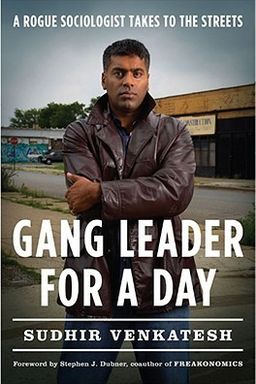
What happens when you stop measuring poverty from a distance and start living inside it? In Gang Leader for a Day, Sudhir Venkatesh argues that understanding urban poverty requires immersion, not abstraction. By embedding himself in Chicago’s Robert Taylor Homes, he shows that ethnography is more than observation—it’s moral entanglement, risk, and revelation. You learn that knowledge earned through human intimacy carries ethical costs.
Crossing the Boundary Between Observation and Participation
Early on, Venkatesh learns that studying the projects means blurring boundaries. Armed with sociology surveys from his mentor Bill Wilson, he approaches residents expecting multiple-choice answers. Instead, he meets men in Washington Park who laugh at his questionnaires. They tell him to sit, drink, and listen. That moment shifts the method—from sterile data toward thick description. Ethnography, here, means living the contradictions between observer and participant.
His tie-dyed shirt and outsider look invite suspicion and curiosity. When gang leader J.T. demands to know why he’s there, Sudhir’s honesty wins conditional trust. The six-pack of beer he returns with becomes his passport into a community that usually excludes researchers. Yet each act of acceptance binds him tighter to the lives he studies: he listens on stairwell floors, sleeps in apartments, and learns how protection and exploitation coexist under gang governance.
Moral Dilemmas and Institutional Limits
You quickly grasp the ethical tightrope he walks. He witnesses beatings—C-Note dragged and kicked, Brass convulsing after punishment—and feels torn between helping and observing. When he wonders whether to call the police, he realizes that action can endanger both himself and others. The logic of fieldwork collides with institutional ethics: the university’s IRB rules don’t fit stairwell realities. (Note: This reflects a broader tension in sociology between moral engagement and professional detachment.)
Later chapters deepen this conflict when he learns that researchers aren’t legally protected. Lawyers explain that sociologists must disclose planned crimes and testify if subpoenaed. Suddenly, confidentiality becomes conditional. When he tells J.T. and Ms. Bailey, they react as if he has chosen sides. Research in marginalized spaces isn’t neutral—it becomes political.
Friendship, Data, and Consequences
Over time, Venkatesh’s presence changes what he studies. His income tables from hustlers, shared innocently, become tools for taxation: J.T. uses them to levy new gang fees, Ms. Bailey uses them to extract rents. He drives women home, helps with groceries, joins fights, and sees his reputation fluctuate between trusted ally and suspected informant. You realize that ethnographic intimacy transforms data into political capital—and sometimes harm.
Why the Work Still Matters
Despite its risks, this immersion reveals truths no survey could: the gang’s bureaucratic hierarchy, residents’ survival networks, and the moral gray zones that define poor urban life. Venkatesh’s story is not romantic—it’s messy, painful, and deeply instructive. He shows you that research in the real world demands more than technical skill. It demands humility, reflexivity, and a willingness to admit ignorance while sitting on a stairwell, listening to those whose lives test every assumption about poverty and power.
Core Message
If you truly want to understand how structures of race, poverty, and crime function, you must go where surveys fail—and accept that empathy will make you both wiser and conflicted.