
Idea 1
Fukushima and the Fragility of Nuclear Safety
How does a nation famed for technology lose control of its reactors overnight? The Fukushima Daiichi disaster shows that complex systems fail not from a single cause but from layers of assumptions—technical, organizational, and cultural—that collapse together under stress. The 2011 earthquake and tsunami exposed weaknesses in design, regulation, communication, and human response. To understand the lessons, you must follow the cascade from physical damage to institutional paralysis, from flooded basements to policy crises, and from technical misjudgment to public mistrust.
A chain of failures begins with nature
At 2:46 p.m. on March 11, 2011, a magnitude-9 earthquake ruptured off Japan’s Pacific coast. Forty minutes later, a fifty‑foot tsunami overwhelmed Fukushima Daiichi, drowning low‑lying generator buildings and seawater pumps. The reactors shut down properly, but all power to cooling systems was lost. Without electricity, vital pumps, valves, and sensors fell silent. Within hours, operators were flying blind, and reactors began to heat uncontrollably. This loss of all power—known as a station blackout—is the nightmare every nuclear engineer fears.
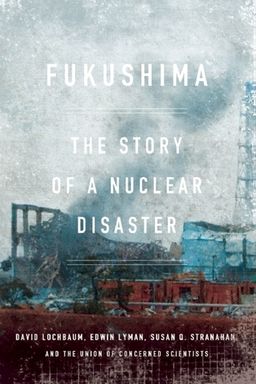
Yet the quake itself didn’t destroy the cores; rather, design decisions placed backup generators and batteries in basements exposed to flooding. A natural event became a man‑made catastrophe because safety layers shared the same vulnerability. When steam pressure built up, Masao Yoshida, the plant superintendent, faced impossible choices: vent radioactive gas to save containment or risk explosion. Manual venting teams worked by flashlight in lethal radiation, and hydrogen blasts tore apart buildings. These images of explosions—seen live around the world—symbolized the unraveling of both technology and trust.
Institutional failings: the 'nuclear village'
The deeper story lies in Japan’s regulatory culture. Oversight was fragmented among ministries that also promoted nuclear power. Amakudari—the tradition of officials moving into industry jobs—created an insider network dubbed the 'nuclear village'. Tokyo Electric Power Company (TEPCO), regulators, and academics shared assumptions about safety that no one wished to challenge. When TEPCO dismissed tsunami risks and regulators accepted one‑page hazard analyses, complacency replaced scrutiny. The 2007 Kashiwazaki‑Kariwa earthquake had already exposed how underestimated faults could damage plants, yet little changed.
During the accident, this regulatory diffusion proved fatal to coordination. Information moved slowly, and Prime Minister Naoto Kan intervened personally out of frustration. The result was a command system that swung between micromanagement and confusion, revealing how blurred authority can magnify crisis.
Hidden dangers: spent fuel and radioactive water
Another unseen risk lay in the spent‑fuel pools perched high in reactor buildings. Each pool contained tons of highly radioactive used fuel, some hotter than fresh cores. When cooling stopped, fear of a zirconium‑cladding fire at Unit 4 pushed emergency crews to drop water from helicopters and crane booms—desperate acts that sometimes missed their targets. Later, engineers realized that dry cask storage units nearby had survived intact because they relied on passive air cooling. The contrast was stark: passive systems endure, active ones fail.
Cooling by constant water injection solved one problem but created another. Vast volumes of contaminated water accumulated in flooded trenches, basements, and improvised tanks. Temporary fixes from Kurion, Areva, and Toshiba reduced cesium levels but produced new waste—radioactive sludge with no final repository. TEPCO repeatedly discharged low‑contamination water to the sea, sometimes announcing it only minutes in advance, igniting outrage from neighboring nations. The “water crisis” became Fukushima’s long tail, lasting more than a decade.
Human and communication breakdowns
Information management was almost as damaging as physical failures. Officials withheld SPEEDI plume‑dispersion data, delayed acknowledging meltdowns, and delivered bland reassurances even as explosions filled screens. Residents evacuated in panic or not at all; hospitals were abandoned; thousands of evacuees faced bureaucratic obstacles to compensation. Public anger exploded at TEPCO’s shareholder meeting and in street protests. Advisors like Toshiso Kosako resigned in protest over radiation limits set for schoolchildren. As the months wore on, Japan’s citizens lost faith not only in TEPCO but in their government’s truthfulness.
Lessons for global regulation
Globally, the accident forced regulators to revisit assumptions. The U.S. Nuclear Regulatory Commission (NRC) launched its Near‑Term Task Force, while the industry unveiled the voluntary FLEX program with portable pumps and generators. Yet FLEX relied on optimistic logistics, not hardened safety‑grade systems. Cultural tensions between cost‑benefit pragmatism and the duty of protection resurfaced, echoing earlier debates after Three Mile Island. From the Mark I containment’s disputed history to modern modeling projects like SOARCA, every chapter exposed how economic and political pressures narrow the meaning of “adequate protection.”
If you follow Fukushima’s arc—from quake to policy overhaul—you discover that nuclear safety is not just engineering discipline but governance, communication, and humility before uncertainty. The ultimate lesson is not that nuclear technology is doomed but that complex systems demand diverse resilience: physical separation of backups, transparent communication, and institutions willing to challenge their own certainties before nature does it for them.