
Idea 1
The Advertising World in Turmoil
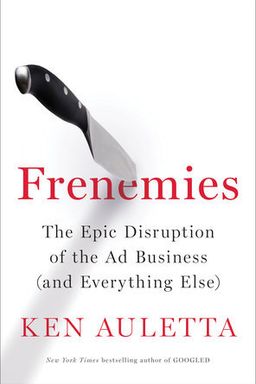
You enter an advertising world turned inside out by distrust, technology, and converging industries. The book traces how traditional creative agencies, media buyers, platforms, and data firms collided in a struggle for power and credibility. What began as a glamorous storytelling trade—the Madison Avenue of Don Draper—mutated into an algorithmic, finance-driven, opaque system where even insiders wonder who truly represents the client. The core argument is this: advertising has become a mirror of the digital economy’s broader crisis of trust, data, and control.
This tension runs through every chapter: agencies fight to defend margins and relevance, platforms hoard data and steal share, consultants and matchmakers profit from confusion, and clients recalibrate power with audits and in-housing. Meanwhile, consumers and regulators react to invasive tracking, ad fatigue, and manipulation fears—forcing an overdue reckoning about transparency and purpose in marketing.
From Mad Men to Math Men
The old model built around creativity and 15% media commissions collapsed under data-driven accountability. Brands like P&G and Unilever demanded granular justification for fees; procurement ruled relationships; programmatic buying dominated digital media. In turn, data scientists, not art directors, began to shape strategy. Yet the book insists that algorithms alone are insufficient—human insight and empathy still anchor effective storytelling. The future belongs to hybrids who combine analytical fluency with emotional resonance.
The Trust Earthquake
In 2015, Jon Mandel’s speech at an ANA conference accused agencies of pocketing hidden rebates, igniting a multi‑billion‑dollar client revolt. The ensuing K2 Intelligence investigation validated that suspicion for many advertisers, showing how some agencies treated client relationships as transactional, not fiduciary. This blew apart decades of assumed loyalty. Clients demanded audits, transparency clauses, and independent advice; holding companies lost accounts and prestige. The clear message for you: in an age of data, invisible margins breed visible mistrust.
Power Brokers and Intermediaries
As distrust grew, intermediaries like Michael Kassan’s MediaLink stepped in as matchmakers—advising brands, agencies, publishers, and investors simultaneously. Kassan’s empire curated introductions at Cannes, CES, and boardrooms worldwide, reshaping who talked to whom. The book treats this brokerage phenomenon as both practical and problematic: it shows that when institutions fail to coordinate, new middlemen monetize relationships.
Frenemies and the Platform Ascendancy
Simultaneously, platforms such as Google, Facebook, and Amazon became both partners and predators. They sell inventory to agencies while also competing to offer end‑to‑end marketing solutions. Their control of data and measurement tilted negotiating power, prompting Martin Sorrell’s term frenemies. Consultancies like Accenture and Deloitte joined the fray, acquiring creative agencies and ad tech firms, further blurring boundaries between vendor, advisor, and competitor.
The Consumer Strikes Back
Consumers, empowered by ad blockers, subscriptions, and privacy tools, have become another form of frenemy. They crave relevant, authentic content yet reject intrusive ads. This dynamic drove native advertising, influencer collaborations, and purpose‑driven marketing as brands sought trust through storytelling rather than interruption. Yet these tactics raised ethical dilemmas about disclosure and authenticity—highlighting that credibility remains the rarest currency in digital marketing.
Data, AI, and Privacy
The narrative culminates with the rise of machine‑led marketing—AI, programmatic trading, and predictive analytics promise precision but magnify opacity. IBM’s Watson Ads, GroupM’s identifier systems, and Viv’s conversational AI illustrate both promise and peril. Parallel to this automation surge runs a privacy backlash. As regulations diverge and corporations write their own rules, marketers face dual accountability: consumer trust and data governance.
A New Playbook for You
By the book’s end, the message is hopeful but sober. Successful marketers must blend creativity with code, transparency with experimentation, and purpose with performance metrics. They need to scrutinize partners, design privacy by default, invest in credible measurement, and build brand value through genuine utility. The advertising world no longer rewards surface charm or hidden deals; it rewards those who master both storytelling and systems thinking. In short, you must become fluent in both the language of imagination and the logic of data—or risk becoming obsolete in the conversation that now defines global commerce itself.