
Idea 1
Raising Tweens Without Losing Connection
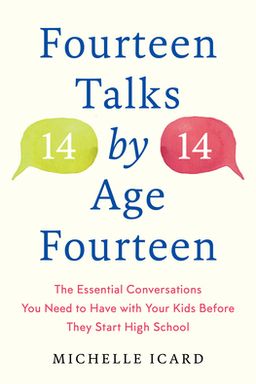
Parenting through middle school feels like crossing a border into a new country: the words seem familiar, but the culture and responses are unexpected. In her pragmatic and empathetic guide, Michelle Icard argues that raising tweens successfully requires learning an entirely new language — one built on calm curiosity, strategic pauses, and adaptive empathy. Around age eleven, the private shorthand you once shared with your child begins to collapse under developmental necessity. Your tween must separate, build identity outside your orbit, and practice independent thought. For families, that shift can look like defiance, secrecy, or rejection — but it’s actually neurological remodeling.
Icard’s central claim is that adolescence isn’t a crisis to control but a relationship to translate. You keep the same love, but change your conversational rhythm, tone, and goals so your child can hear you. She outlines strategic frameworks — from the BRIEF conversation model to new emotional tools — that teach how to stay relevant during separation. If early childhood relied on authority and supervision, the tween years depend on influence and trust.
The New Language of Connection
Icard’s five-step BRIEF model acts as the grammar of this new language. Each interaction should Begin peacefully (avoid ambush), Relate (show empathy), Interview (gather facts, not accusations), Echo (summarize for mutual clarity), and Feedback (offer logical next steps). A parent who finds hidden grades or a secret Snapchat account can use BRIEF to address it respectfully, keeping accountability intact but trust alive. The method emphasizes brevity—tweens tune out lectures but respond to structured, calm discussions.
Why Timing Matters
Between ages eleven and fourteen, brain pruning begins and decision-making circuits rehearse independence. Icard reminds readers that this window is critical; it’s when habits for risk assessment and emotional regulation are learned. Waiting until high school to enforce maturity is too late. By teaching reasoning and coping before teenage rebellion peaks, you prepare them to navigate social, technological, and ethical choices under pressure.
Your Role Transforms
In Icard’s metaphor, your prefrontal cortex doesn’t quit—it just takes a long lunch. You don’t “manage” anymore; you assist. As an assistant manager, you provide oversight and step in for safety breaches but mostly guide growth. This gentle authority helps tweens experiment with autonomy while knowing stability exists behind them.
Core Themes Across the Book
- Communication replaces control: strategic empathy and short, repeated BRIEF dialogues maintain relationship health.
- Curiosity conquers panic: asking before reacting prevents shutting doors you’ll later need open.
- Growth demands space: independence, identity, and mistakes are not rebellion — they’re rehearsals for adulthood.
- Practical humor, calm tone, and permission to fail sustain respect on both sides.
Preparing for the Journey Ahead
Every subsequent chapter of Icard’s work expands on this idea of linguistic and emotional translation — whether through friendship chaos, tech boundaries, money choices, or self-care. The message is consistent: adolescence is not a storm to survive but a laboratory to coach wisely. By reinventing conversation and your parental identity, you replace fear with fluency — a shared language that allows you and your growing child to meet at eye level, even as they step farther into the world.
Core Insight
The bridge between control and connection is communication structure — not surveillance or severity. Learn the rhythm, not the script, and your tween will keep talking long after childhood ends.