
Idea 1
The Fear of Being Duped
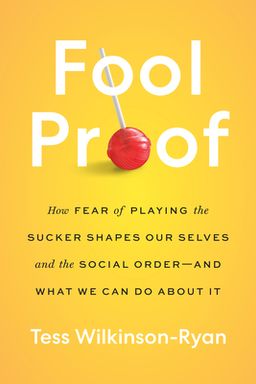
Why do you sometimes reject an offer that seems generous, or avoid cooperating even when the stakes are low? Tess Wilkinson‑Ryan’s central argument is that much of modern social anxiety—our hesitation to trust, to give, or to risk—is rooted in sugrophobia, the fear of being a sucker. This visceral dread of humiliation shapes everyday decisions far beyond money: it governs relationships, political beliefs, and moral choices. You aren’t merely protecting your wallet; you’re protecting your dignity.
Sugrophobia as Emotional Logic
The fear of being made a fool mixes shame, regret, and social loss. In lab experiments, people refuse dollar bills labeled “Free Money!” or hang up on strangers who ask for small favors. Those actions defy rational payoff but make emotional sense—you would rather lose opportunity than risk embarrassment. Wilkinson‑Ryan compares this to a “cringe reel”: the mental movie in which you watch yourself fall for a trick. This imagined humiliation holds real behavioral power, discouraging generosity and trust.
Status, Schemas, and Self‑Protection
Sugrophobia links closely with what she calls the sucker schema—a mental script delineating who manipulates, who gets duped, and who cools things down. Once activated, it turns ambiguous cues into signs of deceit. You see pity as condescension and cooperation as naivete. Because humiliation registers in the brain as physical pain (Dutch EEG studies show sharp neural spikes during shame episodes), protecting status becomes a reflex. This psychic economy explains everything from Ultimatum Game punishments to real‑world hostility against people labeled exploiters or victims.
Flight and Fight Responses
Fear of suckerhood triggers two instincts: flight and fight. When you “flight,” you withdraw from collaboration to stay safe—ignoring network invitations or declining donations. Experimental subjects in Norbert Kerr’s “flowmeter” study cut effort when peers shirked, preferring dysfunction over the risk of looking gullible. When flight fails, you “fight”: retaliate to regain status. Ultimatum players reject unfair splits, and whole groups pay to punish defectors. At worst, collective sucker anxiety breeds violence and political revenge—the January 6 insurrection drew on narratives of being “played” by elites.
Weaponized Suckerdom
Politicians and institutions exploit sugrophobia deliberately. Donald Trump’s “The Snake” parable redefined compassion as stupidity, convincing followers that mercy equals weakness. Surveillance regimes—policing Black citizens, auditing poor taxpayers—operate on similar logic: someone must be prevented from “gaming the system.” Historical precedents like Alabama’s post‑Reconstruction fraud laws criminalizing labor mobility show how fear of being duped can institutionalize inequality.
Gender, Race, and the Moral Self
The book expands sugrophobia into social hierarchies. Race and gender define who is seen as sucker or schemer: Black citizens and mothers under welfare scrutiny are treated as cheats; women are cast as gullible or manipulative depending on circumstance. Cases like Audrey Vokes’s dance‑lesson lawsuit and studies by Laura Kray and Jessica Kennedy demonstrate how women’s trustworthiness is both expected and penalized. Motherhood amplifies the dynamic—praised rhetorically, devalued materially. Across these examples, Wilkinson‑Ryan argues that social status and vulnerability intersect to determine whose embarrassment society tolerates.
Cooling, Rationalization, and Moral Repair
Finally, people rationalize being duped through what Goffman called “cooling the mark out.” You downplay losses, accept face‑saving excuses, and conform to group denial. Cognitive‑dissonance studies and conformity experiments show how you reframe defeat to protect self‑concept. Yet Wilkinson‑Ryan insists that awareness of this process gives moral leverage: you can name the harm instead of suppressing it. Using decision frameworks like MAUT and exposure therapy, you can weigh humility against dignity, generosity against fear. Her closing argument merges psychology and ethics—choosing vulnerability consciously allows genuine connection rather than defensive cynicism.
Core insight
Sugrophobia shapes moral and political life: it limits empathy, fuels retaliation, and sustains inequality. Recognizing it lets you reclaim risk as a moral act—sometimes being “fooled” is the price of staying human.