
Idea 1
Food at the Heart of Everything
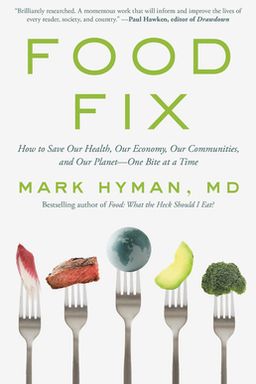
You might assume that health, climate, economy, and justice are separate battles—but Dr. Mark Hyman argues they converge at one powerful point: food. In his landmark book, food emerges not just as nutrition but as the system that shapes civilization itself. When you trace dinner back to the farm and forward to hospitals, schools, and politics, every major crisis—chronic disease, ecological collapse, inequality—connects through the plate.
How food connects global crises
Poor diet is now the leading cause of death worldwide, linked to roughly 11 million deaths annually (Lancet Global Burden of Disease). In the U.S., ultra-processed foods made from commodity crops supply about 60% of calories, fueling epidemic levels of obesity, diabetes, heart disease, and dementia. The burden on public finances is staggering: chronic disease will cost an estimated $95 trillion over 35 years. Behind those numbers lies an economic distortion—food that appears cheap at checkout but is ruinously expensive once health and environmental damage are counted.
The hidden architecture of the food economy
The food system is designed by powerful interests rather than public health. Seed giants, agribusiness monopolies, and food processors steer legislation, subsidies, and marketing. The Farm Bill channels nearly a trillion dollars into policies that reward corn, soy, and wheat—the ingredients of processed food—while fruits and vegetables receive only a fraction of support. Lobbyists and campaign donations ensure policies that make unhealthy food cheap and nutritious food scarce, especially for low-income and minority communities.
Environmental and climate consequences
Industrial agriculture, driven by these incentives, erodes the planet’s capacity to live. Every burger or soda hides a web of destruction: depleted aquifers, eroded soils, fertilizer runoff creating toxic algal blooms, and methane-spewing factory farms. Agriculture drives a quarter of global greenhouse gases, and when supply-chain emissions are counted, the food system may account for over 40% (TEEBAgriFood). Regenerative agriculture—cover crops, no-till, managed grazing—emerges as a practical climate solution. Restored soils store carbon and water, rebuild biodiversity, and produce healthier, more resilient food.
Social inequity and structural violence
Hyman shows how food apartheid—communities flooded with fast food but lacking access to fresh produce—is a form of structural violence. Black and brown neighborhoods suffer targeted junk-food marketing, high rates of chronic disease, and limited access to healthy alternatives. Farmworkers and food workers also pay the unseen price, enduring dangerous conditions and poverty wages while subsidizing cheap calories for consumers. The same system that overfeeds millions leaves others hungry or sick.
Food as medicine—and as transformation
You have agency. Clinical programs—from Geisinger’s Food Farmacy to MANNA in Philadelphia—show that medically tailored meals and diet interventions can reverse disease and slash health-care costs. Schools that serve scratch-cooked, local food improve test scores and reduce behavioral problems. Prison nutrition programs reduce violence and suicide rates. Food is the ultimate upstream medicine: treat the farm and diet, not just the symptoms.
A roadmap for change
To fix the system, Hyman advocates a mix of citizen activism and policy reform—true cost accounting, health-fiscal policy (taxes on soda and subsidies for produce), and transparency in science and sponsorships. Wherever power distorts truth—whether through industry-funded research, lobbying, or misinformation—you can follow the money and push for accountability. The food system’s transformation starts with eating real, minimally processed food, supporting regenerative farms, and voting for leaders who prioritize soil, health, and justice.
“Food is the nexus of our world’s health, economic, environmental, climate, and social crises. Fix the food, and you fix the future.”
The book leaves you with one imperative: restoring the integrity of food—nutritionally, ecologically, and politically—is the master key to solving civilization’s intertwined problems. Food is not peripheral; it is the foundation of human and planetary well-being.