
Idea 1
Rethinking Menstruation: History, Culture, and Control
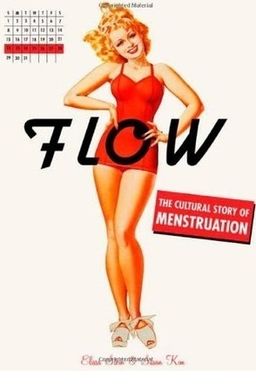
When was the last time you talked openly about your period without lowering your voice? In Flow: The Cultural Story of Menstruation, authors Elissa Stein and Susan Kim take a witty yet deeply researched look at this universal experience that remains oddly taboo. They argue that menstruation isn’t merely a biological process—it’s a cultural lens reflecting how society perceives women’s bodies, power, and purity. Through history, religion, medicine, advertising, and politics, the authors reveal how menstruation has been simultaneously exploited, misunderstood, and shamed.
Stein and Kim merge humor, scholarship, and cultural critique to explain how a natural bodily rhythm became a profit center for pharmaceutical companies and a site of patriarchal control. They show how silence and euphemism have shaped not only how women perceive their own bodies but also how those bodies are regulated. From ancient menstrual taboos to modern marketing slogans like “Have a happy period,” Flow reveals the strange journey of how something so ordinary became loaded with myth and meaning.
A Cultural and Commercial Evolution
The book opens by challenging the assumption that menstruation is now openly discussed. The authors point to the paradox you’ve seen yourself: tampons are advertised constantly on TV, yet menstrual blood is never shown, always replaced by sterile blue liquid. This sanitized imagery mirrors a long-standing discomfort with female bodily processes. In exposing how language evolved—full of euphemisms like “the curse,” “Aunt Flo,” and “that time of the month”—Stein and Kim argue that this coded communication perpetuates shame while masking genuine knowledge about health.
They trace how corporate interests took over the menstrual narrative during the 20th century. What began as a hygienic convenience industry quickly became a multibillion-dollar marketing machine selling control, cleanliness, and secrecy. Today’s “feminine hygiene” aisle, they note, reflects a century of cultural anxiety and capitalist ingenuity.
Why We Bleed, and Why It Matters
At its heart, Flow wants you to understand menstruation as a vital physiological rhythm—not an inconvenience to be erased with pills or hidden behind perfumed pads. Stein and Kim explain how little modern medicine truly understands about menstruation’s evolutionary purpose. They recount how ancient superstition, from Pliny the Elder’s belief that menstrual blood could kill crops to biblical notions of impurity, created centuries of female stigmatization. Even as science advanced, these myths persisted, woven into both religious doctrine and medical practice.
The book argues that this ongoing ignorance affects how women experience their own biology and how society sets behavioral expectations around it—from assumptions about mood and professionalism to debates about leadership and emotion (a theme also explored by Naomi Wolf in The Beauty Myth).
From Hysteria to Hormonal Control
Stein and Kim detail how menstruation became pathologized in medicine and psychology. They revisit the early 20th-century theories of hysteria and the way hormones became modern medicine’s new frontier of control. You’ll learn how pharmaceutical companies reframed menstruation as a defect that could be managed—first by the Pill and later by drugs designed to “suppress” periods altogether. The book exposes how menstrual suppression is marketed as liberation even as it deepens pharmaceutical dependency and medicalizes normal female experiences.
The authors question what’s lost when the natural cycle is silenced: emotional insight, bodily awareness, and connection to cyclical health. They liken this erasure to what sociologist Barbara Ehrenreich called “the medicalization of normal life.”
Why the Conversation Still Matters
In closing, Stein and Kim remind readers that menstruation isn’t simply about blood or biology—it’s about visibility, equality, and self-knowledge. By exploring advertising, religion, folk beliefs, and even pop culture (from Are You There God? It’s Me, Margaret to tampon commercials), they expose how cultural discomfort with menstruation seeps into every corner of life. They challenge readers to reclaim the narrative—whether by talking about it openly, making informed choices about menstrual products, or teaching the next generation differently.
“Armed with information and insight, maybe we can even bring up the subject in polite company without dying of mortification.”
Ultimately, Flow presents menstruation as a social mirror—a way to understand how a culture views women’s bodies. Through humor and historical detail, Stein and Kim reveal that controlling the menstrual narrative has been a way to control women themselves. To question that story, they insist, is to reclaim agency over your body and your narrative. That’s what makes this book both history and manual for modern self-awareness.