
Idea 1
The Virgin Way: Speed, Experimentation, and Purpose
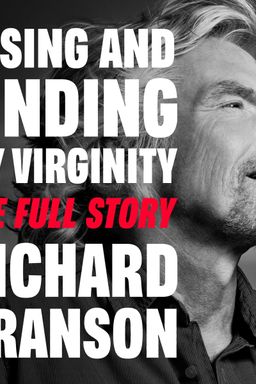
How do you build a global brand across airlines, records, telecom, and even space travel? In Finding My Virginity, Richard Branson argues that success in business and life comes from combining bold speed with deep humanity: move fast, test ideas publicly, learn relentlessly, and stay guided by purpose. The Virgin story, from mail-order records to Virgin Galactic, becomes a study in fearless learning and mission-driven experimentation.
Launching Before You’re Ready
Branson’s motto—“Screw it, let’s do it”—defines his startup philosophy. He moves fast from idea to launch: Virgin Records begins with a student magazine and discounted mail-order vinyl; Virgin Atlantic emerges from a canceled flight and a borrowed plane; Virgin Mobile forms at a kitchen table after a surprise phone bill. The pattern is deliberate: prototype early, use existing infrastructure, and treat failure as data. You don’t wait for perfection; you test in public and iterate. In a world obsessed with planning, Branson’s approach feels almost radical (compare with the Lean Startup movement’s ‘build-measure-learn’ loop).
Disruption as a Lifestyle
Virgin repeatedly enters mature, complacent markets—music, airlines, telecom, even banking—and redefines them through customer empathy, humor, and simplicity. Virgin Atlantic offers massages at check-in when British Airways offers bureaucracy. Virgin Mobile introduces transparent, pay-as-you-go pricing in a market full of complex contracts. The company often rents infrastructure—airplanes, mobile networks, rail tracks—so it can focus on marketing, service, and brand. That structure allows speed, limits risk, and turns partnerships into launchpads.
Audacity Balanced by Compassion
Across crises and triumphs, Branson’s core belief in people remains constant. He writes handwritten letters to staff during 9/11, visits crash sites personally, and fights bureaucracies not from ego but responsibility. Virgin Unite, The Elders, and later Audacious Projects show his transition from entrepreneur to global activist: using the same entrepreneurial toolkit—speed, partnership, convening, storytelling—to address social and planetary challenges. Business becomes not only profit-driven but purpose-driven.
Learning through Risk
Branson’s Virgin Galactic story anchors the book’s emotional core. After the SpaceShipTwo crash in 2014, he confronts grief and doubt yet continues the mission. His response—human first, transparent second, rebuild third—shows his deeper lesson: boldness without care ruins trust; care without boldness kills progress. This paradox animates every Virgin venture: take risks, but humanize them.
A Life Woven with Family and Legacy
Even while scaling 400 companies, Branson anchors everything in family. Stories of his father’s death, the Necker Island fire, and the joyful wedding in its ashes reveal his philosophy of legacy: celebrate, rebuild, and keep moving forward. Legacy is not an estate; it’s behavior transmitted through action—curiosity, optimism, courage, and care. As he writes, life and business are both about connection and curiosity: if something excites you and helps others, get started.
Core insight
Branson’s story teaches that speed without purpose is chaos, and purpose without boldness is stagnation. The Virgin Way unites both—and turns business into adventure.
By the end of the book, you see what Branson wants you to practice: act quickly, partner wisely, lead visibly, care deeply, and remember that joy is a form of strategy. If you live and lead that way, you don’t just find your virginity—you keep renewing it.