
Idea 1
Financial Feminism: Money as a Tool of Liberation
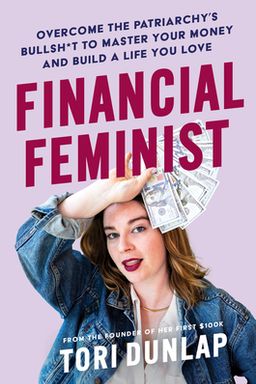
Have you ever felt powerless because of money – as if your financial life were holding you hostage in decisions big and small? In Financial Feminist, Tori Dunlap transforms personal finance from a dry numbers game into an act of protest, self-love, and collective empowerment. She argues that understanding money is not merely about wealth; it’s about freedom – the ability to walk away from a toxic job, leave an abusive relationship, fund your dreams, and help others. Dunlap, who founded the education company Her First $100K after saving six figures by age twenty-five, contends that women’s financial empowerment is inherently political. In a patriarchal system that benefits from keeping women underpaid, overworked, and underinformed, being financially independent is revolutionary.
The book begins with a deeply personal narrative. Dunlap found herself in a toxic corporate job that crushed her spirit, until she realized that her carefully saved emergency fund was her escape hatch. That moment taught her that money, far from being cold or greedy, could be a warm, protective shield. It gave her options – and the freedom to say "no more." This awakening became the blueprint for the movement she now calls financial feminism: using money not only to help yourself but to change systems of inequality. As Dunlap writes, "When you have all you need, build a longer table, not a higher fence." The book’s mission is to help you build that sturdy table, then invite others to it.
Money as Protest and Power
At its core, Dunlap’s philosophy reframes financial independence as an act of defiance. In a world where women are discouraged from discussing money, told it’s unseemly to aspire to wealth, and punished for success, taking control of your finances is a rebellion against silence and scarcity. She pulls no punches in showing how economic systems are built on exclusion: women couldn’t open their own credit cards until 1974 or secure loans without male approval, and racial discrimination still shapes access to credit and interest rates today. The result is systemic inequality disguised as "bad financial choices." Dunlap’s approach dismantles that shame, showing that most people’s financial struggles stem not from personal flaws but from structural barriers. She insists that financial advice must include conversations about race, privilege, and capitalism’s impact on mental health and opportunity.
A Human Approach to Money
The first chapters explore the emotional core of money: shame, guilt, fear, and learned helplessness. Drawing inspiration from Brené Brown’s research on vulnerability, Dunlap teaches that the path to financial empowerment starts by confronting these emotions. We inherit damaging narratives – that talking about money is impolite, that we should know financial skills instinctively, that hard work guarantees wealth, that wanting money is selfish, and that “money can’t buy happiness.” These myths keep women small. Dunlap’s antidote is empathy and self-compassion. She asks readers to journal their first money memories to uncover how childhood experiences shaped their current financial behavior. By naming these stories, you take back the power they’ve held over you.
This emotional awareness is followed by practical application. Dunlap organizes her advice into a step-by-step “Financial Game Plan.” First, build an emergency fund; next, pay off high-interest debt; then invest for retirement while managing low-interest loans; and finally, save for “Big Life Stuff” like travel, children, or homeownership. Each step has clear psychological, strategic, and political meaning. Saving gives you safety, debt reduction gives you peace, investing gives you growth, and spending mindfully gives you joy. The book pairs emotional healing with tangible financial tools, turning every dollar into an act of care.
Why Financial Feminism Matters
Dunlap emphasizes that personal finance cannot be separated from social context. Only about 20 percent of our financial lives are choices; the rest are circumstance: access to education, healthcare, fair pay, or racial equality. A "pull yourself up by your bootstraps" mentality ignores systemic oppression. Still, she argues that while fighting for justice, we must also learn to survive within the system as it exists. Building wealth doesn’t equal complicity in capitalism – it’s survival and preparation for change. Money becomes the megaphone that amplifies activism. When women are financially secure, they can donate, volunteer, and speak up. As sociologist Margaret Mead said, “Never doubt that a small group of thoughtful, committed citizens can change the world.” Dunlap’s book provides the map for that change, beginning in each reader’s wallet.
Across its chapters, Financial Feminist blends personal narrative, expert interviews, and feminist critique into a warm, conversational guide. It’s not “hustle culture” or “get rich quick” ideology; it’s a form of sustainable empowerment grounded in rest, values, and community. You’ll learn to build emotional resilience around money, rethink spending through joy rather than guilt, create the three-bucket budget, pay off debt strategically, invest confidently, negotiate your worth, and develop financial self-care practices that last a lifetime. In the end, Dunlap shows that when you build your financial foundation, you gain the privilege to help others build theirs. And that, she says, is where real revolution begins.