
Idea 1
Filterworld and the Algorithmic Shaping of Culture
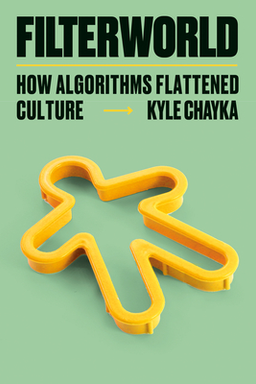
You live inside what Kyle Chayka calls Filterworld—a cultural ecosystem built by algorithmic recommendation systems, where digital feeds decide what you see, what artists thrive, and even how taste evolves. Chayka argues that these systems, optimized for attention and monetization, quietly flatten global culture. The promise of personalization masks an underlying sameness: across music, film, art, and urban design, algorithms reward repeatable formats that sustain engagement rather than surprise. What feels like infinite choice often ends up being a narrow corridor designed by opaque corporate priorities.
The Illusion Behind the Machine
To grasp Filterworld, Chayka begins with the metaphor of the Mechanical Turk, an eighteenth-century automaton that appeared to play chess intelligently but secretly contained a human operator. Today’s algorithms, from Spotify’s song recommender to Netflix’s homepage, operate in a similar theater: human judgments and market goals are hidden inside a machine that pretends to think. When you praise "the algorithm" for a perfect suggestion, you're really acknowledging layers of corporate decisions about what to measure and optimize.
The invisibility of intent
This concealment of human decision-making makes algorithms look objective, but they're guided by profit motives: engagement, time-on-platform, and advertising revenue.
Algorithms as Cultural Infrastructure
Recommendation systems don't just distribute culture—they shape it. Signals like clicks, listens, and likes become proxies for taste, forcing creators to adapt. Amazon’s “customers who bought this also bought,” Netflix’s Cinematch, and TikTok’s For You page each transform art into an input–output loop where the most shareable and low-risk content thrives. As Nick Seaver observes, “the algorithm is metonymic for companies as a whole,” meaning to understand a recommender is to understand a business model. Secrecy around those models locks you out of contesting bias or manipulation.
From Local Curation to Global Sameness
Filterworld flattens cultural diversity. Local curators—like independent booksellers—once built distinct collections. Now platforms prioritize attention metrics, creating homogenized experiences that stretch from Berlin cafés to Tokyo boutiques. Chayka names this phenomenon AirSpace: spaces designed by Instagram aesthetics and recommendation loops rather than locality. Globalization occurs mainly in capital and data, not in diverse creativity (as Gayatri Spivak notes). The result: convenience at the cost of context and individuality.
The Weight on Creators
Inside Filterworld, creators live with algorithmic anxiety—the pressure to satisfy hidden rules that determine visibility. Musicians, writers, and influencers feel trapped in opaque systems that constantly shift. Airbnb hosts, analyzed by Shagun Jhaver, develop folk theories to please algorithms. Damon Krukowski’s experience with Spotify showed how one anomalous track defined his band’s identity. Patricia de Vries calls this the sense of being “circumscribed by algorithmic regimes.” You either conform or disappear.
A Flattened Aesthetic Economy
When engagement metrics become cultural currency, art becomes ambient—contextless, easily consumed, forgettable. Brian Eno’s term “ambient” has evolved from music to describe a broader condition: culture designed to be ignorable yet ever-present. The feeds push “content,” a word Martin Scorsese critiques for erasing distinctions between film and ad. Likes function as attention coins; creators optimize work for immediate, measurable reactions. The outcome is an endless scroll of pleasure without depth.
Alternatives and Resistance
To escape Filterworld’s gravity, Chayka advocates curation and intentional consumption. Human curators—museum professionals, critics, DJs—offer depth and interpretive connections. Platforms like Criterion Channel and Idagio, or direct-payment models like Bandcamp and Patreon, rebuild value around context and sustainability. Chayka’s “algorithm cleanse” experiments show that withdrawal from feeds revives patience, attention, and genuine taste. The goal isn’t rejection but reclamation: learning again to choose, collect, and savor outside algorithms.
The book’s central challenge
Filterworld invites you to “open the cabinet” — to look behind the algorithmic spectacle and decide how to live, create, and consume intentionally in a system that rewards sameness.
In sum, Chayka’s argument threads psychology, economics, and aesthetics: algorithms seem rational but induce conformity; recommendation systems promise choice but erode surprise. To resist, you must slow down, follow human curators, fund depth, and re-learn your own taste.