
Idea 1
The Gut Microbiome Revolution
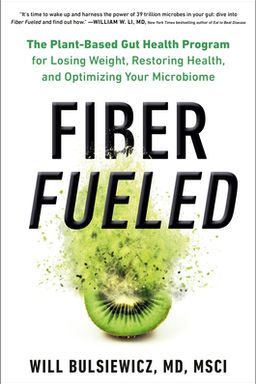
Every day, trillions of microbes living within you are shaping your digestion, metabolism, immunity, and even mood. In his work, gastroenterologist Will Bulsiewicz reframes what it means to heal and nourish the gut: not by restriction and fear but by feeding and training your microbiome to thrive. The message is simple but transformative—your microbiome is an invisible organ, and fiber-rich plant diversity is its essential fuel.
Bulsiewicz argues that modern diseases—from obesity and diabetes to depression and IBS—can be traced to ecological collapse in this microbial community. Western diets starve microbes of fiber, overfeed them with processed carbohydrates and additives, and suppress diversity through antibiotics and ultra-processed foods. Repairing that ecosystem doesn’t require exotic supplements—it depends on whole, varied plants that produce short-chain fatty acids (SCFAs), the microbiome’s form of medicine.
Your invisible organ
The microbiome is a bustling metropolis of some thirty-eight trillion organisms, mostly residing in your colon. These microbes outnumber your human cells and function collectively as an endocrine-like organ. They manufacture vitamins B and K, transform fibers into SCFAs, regulate barrier integrity, prime immune tolerance, and even send feedback signals to your brain through the gut–brain axis. But when deprived of plant diversity, they die off and inflammation rises.
Fiber as microbial nourishment
You cannot digest many plant fibers—your microbes do it for you. When they feast on these complex carbohydrates, they produce butyrate, propionate, and acetate. These molecules reduce gut permeability (healing “leaky gut”), calm inflammation by activating regulatory T cells, and even help control metabolic parameters such as cholesterol and insulin sensitivity. Epidemiological data, like the 2019 Lancet review pooling 135 million person-years, show that high fiber intake lowers the risk of heart disease, cancer, and early mortality. The dose–response curve is clear: more fiber, more protection.
Diversity as the master principle
Bulsiewicz’s “Golden Rule” distills a decade of research: Diversity of plants equals diversity of microbes. Different plants contain distinct fibers, polyphenols, and prebiotic structures that each feed unique microbial families. A diet with thirty or more different plants per week predicts the most resilient microbiome, a finding confirmed by the American Gut Project. Rather than adding supplements, he urges you to cultivate variety—beans and lentils, whole grains, nuts, seeds, fruits, vegetables, herbs—all the colors and textures of nature’s pantry.
The modern mismatch and repair path
Americans average roughly 16–18 grams of fiber daily against recommendations of 25–38 grams. Only 11% of calories come from whole plants, while over half come from processed foods stripped of microbial fuel. This nutritional desert drives chronic inflammation and metabolic disease. Bulsiewicz’s approach blends science and practicality: learn the Plant Points game (tracking unique plant types each week), use fermented foods like kraut or kimchi to reinoculate your gut, and train tolerance through the structured GROWTH method. Healing thus becomes dynamic—discover triggers, rebuild microbial strength, and reclaim food freedom.
Key takeaway
Your gut is not broken—it’s untrained and underfed. Healing means rewilding the ecosystem within through diversity, fiber, and functional plant foods rather than fear and suppression.
By reframing fiber as medicine, using SCFAs as biomarkers of resilience, and viewing food intolerance as a trainable condition rather than permanent restriction, Bulsiewicz offers an integrated, hope-filled roadmap. You don’t have to chase perfection—progress toward diversity and microbial abundance drives the transformation.