
Idea 1
Realism as the Foundation of Emotional Health
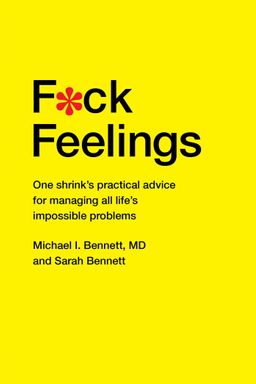
Most self-help promises you unlimited transformation, but Dr. Michael Bennett and Sarah Bennett build their system on a counterintuitive principle: realism first. Instead of chasing endless self-optimization, they argue that emotional health begins when you accept limits—of biology, other people, fairness, and even love. Their book is not about positive thinking; it’s about practical thinking: distinguishing what you can change from what you can’t, acting decently under pressure, and redirecting energy from fantasy into workable goals.
You come to therapy because you’re in pain, but the Bennetts want you to abandon the idea of a cure. The goal is not a "fixed" life but a functional one—stable, consistent, and self-respecting despite continuing discomfort. By blending clinical psychiatry with black humor, they expose the traps that keep people stuck in cycles of hope and disappointment: hunting for causes instead of solutions, mistaking feelings for facts, or assuming love must redeem everyone.
From Wishful Thinking to Real Goals
The book opens with a radical diagnostic statement: much suffering comes from mixing up wishes and goals. A wish—“I want everyone to like me,” “I wish life were fair,” “I want my addicted brother to change”—has emotional logic but no actionable basis. A goal can be measured, managed, and completed by your own effort. The shift from wishing to working defines the Bennetts’ core ethic. Acceptance, then, is not passive surrender but the first act of practical courage.
They illustrate through composite cases: a salesman fired from his job who wishes to ‘get back control’ learns to translate that wish into achieveables—update his resume, apply to five jobs weekly, budget for three months. Progress replaces helplessness. The transformation is internal but behavioral, not emotional; change what you do, not what you feel.
Understanding Real Human Limits
The next foundation is biological realism. Your wiring matters. The Bennetts weave in neuroscience and psychiatry—some traits, like impulsivity or anxiety sensitivity, are neurologically “sticky.” You can mitigate them, not erase them. The chronic procrastinator, the distractible worker, the obsessive partner—they’re not morally weaker; their success depends on structure, medication if needed, and external accountability systems. (Note: similar to Oliver Sacks’ compassionate stance, they normalize imperfection rather than dramatize it.)
Accepting the boundaries of your wiring defuses moral shame and opens smart management: build calendars, schedule buffers, find partners or coaches who offset your deficits. It’s not giving up—it’s engineering your environment around your biology. As the Bennetts joke, find “a spouse who’s good at doing your taxes.”
Behavior Over Feeling
Emotion drives behavior, but trying to redesign emotion directly usually fails. Instead, they teach behavioral ethics: act decently even when you feel hatred, envy, or despair. This approach makes morality procedural. For example, if you loathe a relative, your moral task isn’t to feel tolerant—it’s to avoid insults and leave the room before shouting. Decency becomes measurable: what did you do, not how did you feel?
This principle overturns the modern self-esteem myth that happiness or self-love must precede good behavior. In their world, dignity grows from integrity and effort, not from mood management. When you behave well under stress, your esteem reforms naturally.
Relationships, Fairness, and the Myth of Fixing Others
Half the book extends these realism principles to love, sex, and family. Romantic culture romanticizes salvation: your love can heal an addict, transform a narcissist, or guarantee lifelong happiness. The Bennetts dismantle this fantasy—love influences behavior in the short term but rarely rewires damaged character. Their circus-bear metaphor says it best: you can train someone to behave, but the bear remains a bear when the music stops. Boundaries, not rescue, are love’s truest form.
They apply the same realism to fairness and justice. Many lives stall because someone can’t stop fighting for vindication—a wrongful firing, unfair divorce, missing apology. The pursuit of fairness can become destructive obsession. The solution is weighted cost–benefit thinking: ask whether continuing the battle serves your values or merely feeds pain. Sometimes letting go is the higher act of integrity.
Practical Realism in Everyday Decisions
In more grounded chapters, the Bennetts apply their logic to parenting, addiction, and communication. Parents are advised to manage controllables—house rules, medical checks, safe boundaries—and accept that genes and luck heavily influence results. Committed partners are urged to treat commitment like a business deal: assess past behavior, write non-negotiables, and walk away early if fundamentals clash. Even communication—the sacred cow of therapy—is reframed: talking is useful only when change is possible. If trauma makes disclosure risky or if temperament limits intimacy, pushing conversation can harm more than help.
In addiction, they reinforce a triad—acceptance, definition, action. Define the harm concretely, not emotionally (“I missed work, endangered the kids, lied about money”), then choose structured help like AA or outpatient rehab. For helpers, they counsel compassionate detachment: aid without enabling, protect without martyring yourself. The motto is simple—help with your head, not your heart.
The Strategic Use of Help
Finally, they bring realism to treatment itself. Therapy is a service, not a sacrament. Use it like any tool: define goals, track improvements, and stop when diminishing returns appear. Measure success by better functioning, not by an absence of pain. If talk therapy drifts into endless rumination, shift to behavioral or medical interventions. Professionals are most useful when you remain the project manager of your own life.
Central Ethical Formula
Accept what limits you. Define what you can control. Act on your standards anyway.
Across its many practical fields—addiction, love, parenting, justice—the Bennetts’ realism adds up to a mature worldview. Pain, unfairness, and imperfection are permanent, but decency, structure, and clarity are always possible. In a culture of endless emotional guarantees, they offer something sturdier: a user manual for living honorably inside limits you can’t erase—and choosing sanity over fantasy as your baseline for a good life.