
Idea 1
Ending Body Policing
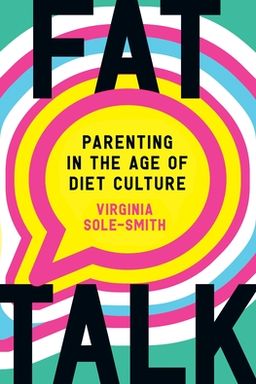
How can you raise, teach, or care for kids without making their bodies a moral report card? In Fat Talk, Virginia Sole-Smith argues that we won’t change childhood health—or kids’ happiness—until we dismantle the cultural machine that polices size, conflates thinness with virtue, and turns food into a battleground. She contends that “fat talk” is the transmission mechanism of anti-fat bias, the “obesity epidemic” was socially constructed to justify surveillance and profit, and weight-focused remedies often create the very harms we claim to prevent (disordered eating, medical avoidance, and chronic stress). To shift the paradigm, you must learn to separate weight from health, adopt weight-inclusive care, and build family, school, and sport cultures where dignity—not dieting—drives decisions.
What fat talk does—and why it matters
You start by noticing the small comments that do big cultural work. When Barbara praises Violet’s legs, then calls her own “short and chunky,” she’s not just self-deprecating; she’s teaching two girls that bodies live on a hierarchy. Sole-Smith shows fat talk operating in three common ways: self-denigration (“I hate my thighs”), comparative chatter (“your chin, my waist”), and “reassurances” to kids that actually encode stigma (“You’re not fat—you’re beautiful!”). The fix isn’t silence; it’s new scripts that treat “fat” as a neutral descriptor, validate feelings, and stop ranking bodies. (Note: activists’ reclamation of “fat” contrasts with the medicalized “obesity,” a term with moral baggage; person-first language can help but doesn’t erase bias if the framework still pathologizes size.)
How we built the “epidemic”
Sole-Smith traces how policy shifts and visuals created panic. The CDC’s color-shifting obesity maps (spearheaded by William Dietz) made incremental changes feel explosive, just as the 1998 NIH BMI cutoff changes reclassified millions overnight. The Anamarie Regino custody case put a fat toddler at the center of a blame narrative that played to racist and classist tropes. Behind the curtain were conflicts of interest and pharmaceutical markets eager for new “patients.” The takeaway for you: treat numbers and categories as choices, not destiny—ask who set the yardstick and who profits when more kids get labeled “at risk.”
Weight is not health—and stigma makes health worse
The book reframes weight as a noisy correlate, not a master key. BMI (born from Quetelet’s “Average Man”) doesn’t measure health; Katherine Flegal’s work even found lower mortality in the “overweight” category. Meanwhile, the experience of stigma—shame, avoidance of care, chronic stress—predicts harm regardless of BMI. Lizzy’s diabetes story proves the point: weight loss drew praise while her unmanaged illness worsened. Weight-inclusive care (HAES-informed) asks clinicians to attend to behaviors, access, and social determinants without prescribing weight loss as a first-line intervention.
Diets and “healthy plans” that hurt
Restriction, even when disguised as “lifestyle change,” primes kids for obsession. Winter’s mother Elise offered a “balanced” plan of rice cakes and strict portions; Winter paired it with intense exercise and slid into anorexia. Commercial tools like Kurbo label foods with traffic lights and coach kids to monitor themselves—approaches that look benign but function like diets. Longitudinal evidence (e.g., Project EAT) shows dieting predicts later disordered eating and weight gain. You can break the cycle with Ellyn Satter’s Division of Responsibility (parents decide what/when/where; kids decide whether/how much), responsive feeding, and normalization of treats (sugar lockboxes backfire by creating scarcity and secrecy).
Privilege and the institutions kids move through
Thin privilege gives some kids easier access to clothing, seats, and unbiased attention from teachers and doctors. Jessica’s sons Jacob (thin) and Sawyer (larger-bodied) live this difference daily—one moves invisibly, the other gets policed. Schools embed bias through curricular tools (HECAT), calorie-tracking assignments (Katie’s strength class), BMI “report cards” (Arkansas), and teacher microaggressions. Sports pile on with aesthetic ideals that reward “looking the part,” producing RED-S, injuries, and lost joy (see Mary Cain’s revelations and Natalie’s college running injuries). Social media amplifies all of it, feeding kids ever-more-extreme “fitspo,” while early puberty is too often treated as a weight problem instead of a complex biological and social event (Frank Biro’s research; Josie’s story of shame and adultification).
What you can do—scripts and systems
Sole-Smith arms you with language and levers. With doctors, request blind weigh-ins and ask, “How would you treat a thin patient with these symptoms?” With teachers, opt out of calorie logs and BMI screenings and ask for alternative assignments. With coaches, ask about uniforms, snack policies, and whether weight drives advancement. With kids, name fatphobia as wrong, teach thin kids about privilege and allyship, and tell fat kids you trust their bodies. The throughline: change the conversation so kids learn that health is about care, access, and joy in their bodies—not about shrinking to fit someone else’s map.
(Context: This approach aligns with weight-neutral scholars and clinicians across pediatrics, psychology, and public health; it pushes back against BMI-first paradigms while still allowing for medical nuance when weight intersects with specific conditions.)