
Idea 1
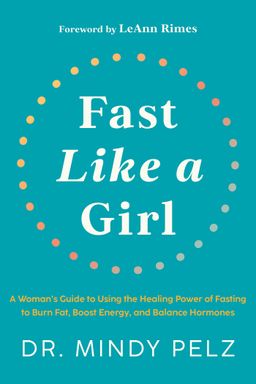
Fast Like a Girl: Rewriting Fasting for Female Biology
Why do countless women struggle with diets and fasting methods that seem to work for men? In Fast Like a Girl, Dr. Mindy Pelz reimagines fasting through the lens of female physiology. Her central message is that the key to wellness, energy, and hormone balance lies not in restriction but in synchronizing fasting, food, and recovery with hormonal rhythms. Pelz shows you that when and how you fast must change depending on your menstrual or menopausal state—a revolutionary concept that reframes fasting as a cyclical partnership with your biology.
The book bridges science and experience—combining insights from endocrinology, nutrition, and functional medicine with stories of women who reversed infertility, overcame metabolic disease, or regained vibrant energy by timing fasting to their hormonal needs. The core promise is empowerment through understanding: you can reclaim your health when you stop treating your body like a man’s and start reading its hormonal cues.
From One-Size-Fits-All to Personalized Timing
Pelz begins by dismantling what she calls the Failed Five—calorie restriction, poor food quality, cortisol overdrive, toxin overload, and one-size-fits-all dieting. Each of these popular approaches backfires because it ignores the female hormonal hierarchy. Chronic dieting drives up cortisol, which suppresses progesterone and destabilizes estrogen, creating fatigue, anxiety, and weight gain instead of health. Pelz’s alternative is to use fasting as a hormonal rhythm tool: you fast when estrogen thrives and rest or nourish when progesterone dominates. This personalized rhythm mimics nature’s pattern of stress and rest, turning fasting into a form of nutrient choreography rather than deprivation.
Examples like Bridget—who triggered anxiety and hair loss by ignoring timing—underline the risk of mismatched fasting. Once she shortened fasts during her luteal phase, her symptoms vanished. Sarah, another case study, aligned fasting to her cycle and lost eighty pounds while dropping five medications. These stories don’t glamorize extremes; they show the power of responsive fasting.
The Cellular Reset: Fasting Beyond Weight Loss
At its core, fasting is a biochemical reprogramming act. When you pause eating, your body shifts from glucose burning to fat burning, triggering a cascade of cellular repairs: autophagy cleans damaged proteins, mitophagy renews your mitochondria, and stem cell regeneration rejuvenates your immune system. Pelz references Valter Longo’s cancer studies and the NEJM’s fasting meta-analysis to show how strategic fasting can improve everything from diabetes to neurodegeneration. You are not merely eating less—you are flipping metabolic switches that reboot your system at the cellular level.
For women, however, these switches respond differently depending on hormonal context. Estrogen amplifies fasting benefits by promoting insulin sensitivity and mitochondrial recovery, while progesterone demands stable glucose and lower stress. Thus, timing determines your benefit. Fast too long when progesterone peaks and you’ll add stress instead of healing; fast within estrogen windows and autophagy accelerates beautifully.
The Fasting Cycle Framework
To make timing practical, Pelz introduces the Fasting Cycle—three distinct phases aligned with your menstrual rhythm. During the Power Phase (low-hormone days 1–10 and 16–19), longer fasts and ketobiotic eating unlock deep fat burning and repair. The Manifestation Phase (around ovulation) favors shorter fasts and detox-supportive foods to handle estrogen surges. Finally, the Nurture Phase (the luteal week) calls for rest, higher carbs, and community—supporting progesterone with what she calls “hormone feasting.” Even if you’re postmenopausal or on birth control, Pelz teaches you to simulate these rhythms in 30-day cycles so your system never stagnates.
This cyclical approach turns fasting from a blunt instrument into a precision instrument. It also redefines success: fasting isn’t about tightening willpower; it’s about syncing with the hormonal signals that already run your body’s ecosystem. Pelz calls this living “fast like a girl”—not racing or starving, but harmonizing metabolism and femininity.
Food Quality, Community, and Compassion
Equally important is what breaks or fills your fast. Pelz’s food principles revolve around whole ingredients, low glycemic load, gut-friendly diversity, and food cycling. She alternates ketobiotic days (low-carb, high-fat, veggie-rich) with hormone-feasting days (root vegetables, fruit, legumes) to align nutrients with hormone needs. This combination rebuilds the gut-microbiome-hormone axis that modern diets disrupt. The synergy between fasting and food is so central that she calls it a “dancing pattern”—each corrects or amplifies the other.
Finally, community and compassion give sustainability. Fasting in groups raises oxytocin, stabilizing stress hormones. Pelz quotes research showing that loneliness predicts mortality as strongly as smoking. Therefore, she frames community connection and self-kindness not as luxuries but as hormonal regulators. “There is no such thing as a failed fast,” she reminds you; every attempt teaches your body resilience.
Core message
Fasting is not starvation—it is synchronization. When you pair it with food awareness, toxin reduction, stress control, and social connection, you access the deepest healing systems of your female biology.
Throughout Fast Like a Girl, the narrative moves from science to empowerment: learn your rhythm, master fasting at different lengths, nourish your hormones with the right foods, and build a lifestyle of testing, reflection, and belonging. The outcome isn’t just weight loss—it’s metabolic confidence: knowing exactly when to push, when to pause, and when to nurture yourself back into balance.