
Idea 1
The Intermittent Fasting Revolution
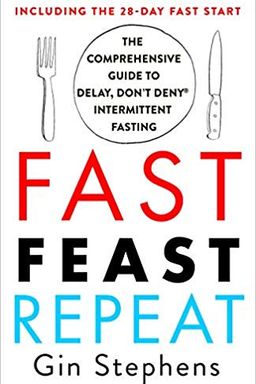
What if the way you eat could reset your metabolism, repair your cells, and free you from diet obsession? In Gin Stephens’ intermittent fasting framework, fasting is not starvation—it’s a biological rhythm that restores metabolic flexibility, appetite control, and longevity. The book argues that the human body is designed for cycles of eating and resting, and when we stop grazing all day, powerful hormones switch on to burn fat and heal cells.
How fasting reprograms your metabolism
Traditional dieting teaches “calories in, calories out,” yet studies—from the 1944 Minnesota Starvation Experiment to the 2016 Biggest Loser follow-up—show prolonged restriction slows metabolic rate and triggers bingeing. Intermittent fasting (IF) flips that logic: by lowering insulin, the body gains access to stored fat while preserving lean muscle. Energy comes from ketones like beta-hydroxybutyrate (BHB), which fuel the brain efficiently. Fasting, especially clean fasting, allows this switch without the metabolic slowdown that sabotages low-calorie diets.
Hormones and the metabolic switch
When liver glycogen falls during fasting—usually between 12 and 36 hours—the body transitions from glucose to fat as its main fuel. That “metabolic switch” increases resting metabolism temporarily and stimulates human growth hormone (HGH), protecting muscle tissue. A 1994 study found that metabolic rate rose up to 36 hours of fasting before declining later, suggesting moderate fasting optimizes energy expenditure.
The clean fast and why taste matters
Gin Stephens insists that clean fasting—allowing only water, black coffee, and plain tea—is essential. Even a taste of sweetness triggers cephalic phase insulin release (CPIR), the anticipatory spike in insulin simply from tasting food. If insulin rises, lipolysis halts, and your cellular repair slows. Her rule is unwavering: there’s no “clean-ish” fast. Keep your fasting window free of flavor to unlock full benefits like fat-burning and autophagy.
Health beyond weight loss
Stephens expands IF beyond fat loss, explaining that fasting activates autophagy—cellular recycling first mapped by Nobel laureate Yoshinori Ohsumi—and reduces inflammation, improves cardiovascular markers, and may protect against Alzheimer’s and cancer. Research from Okinawa found 44 metabolites, including antioxidants and mitochondrial enhancers, rise significantly during fasting. Over time, these processes keep your cells younger.
A lifetime lifestyle, not a temporary fix
Stephens reframes fasting as a lifestyle, not a diet. Instead of cycling through food rules and guilt, you build a relationship with your body’s natural rhythms. Whether using daily time-restricted eating or alternate-day fasting, you adapt rather than force restriction. The book’s four-part logic—clean fast, metabolic flexibility, appetite correction, and sustainable personalization—forms a system for life-long health rather than short-term results.
Essential idea
Intermittent fasting reconnects you to your biological design—periods of eating and resting that preserve metabolism, repair cells, and transform food from a source of frustration into a tool of freedom.
The rest of the book teaches you how to build that rhythm through clean fasting, understanding hunger signals, choosing real food, and developing a growth mindset so fasting becomes second nature. You don’t count calories; you reclaim physiology.