
Idea 1
The Power of Fascination: Unlocking Human Attention and Influence
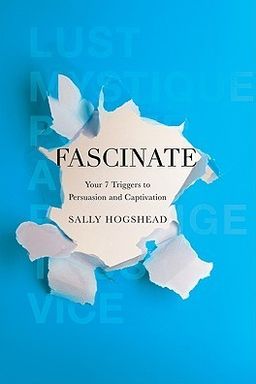
Why do certain people, ideas, or brands captivate you so fully that you forget the world around you? In Fascinate: Your 7 Triggers to Persuasion and Captivation, Sally Hogshead argues that fascination is not merely a momentary attraction—it’s a primal force of influence that determines whether your ideas succeed or fail. Hogshead’s striking claim is that in an attention-deficit world, getting noticed is no longer enough; you must earn fascination to command loyalty, trust, and persuasion.
Drawing on psychology, neuroscience, marketing, history, and cultural analysis, Hogshead shows that fascination is hardwired into human behavior. From the Salem witch trials to social media branding, she traces how our biology and culture respond to stimuli that intrigue, alarm, seduce, and empower. Her central argument: fascination controls us far more than we control it, and those who learn to harness this power—through seven universal triggers—can transform personal relationships, leadership impact, and commercial success.
The Age of Distraction and the Need to Fascinate
In a world flooded with marketing messages and constant digital interruptions, attention has become the scarcest resource. Hogshead calls this the Fascination Economy, a new era where brands and individuals compete not for mere awareness but for emotional captivation. Goldfish may have a nine-second attention span, she observes, and many of us aren’t faring much better. Traditional advertising—based on repetition and exposure—no longer works because consumers can now shut out messages with technology. Success belongs to those who can provoke strong reactions, create conversations, and inspire passion.
This is not a book about superficial charm. It’s about entering the subconscious motivations that drive decisions—what makes us crave, trust, or fear—and using that knowledge ethically to connect. Every human interaction, from a sales pitch to a smile, runs on fascination cues. You’re already using them unconsciously; the challenge is to use them deliberately.
The Seven Triggers That Control Human Behavior
According to Hogshead, seven triggers power all fascination. Each appeals to distinct human instincts:
- Lust: The craving for sensory pleasure that draws us closer emotionally and physically.
- Mystique: The allure of unanswered questions and withheld information.
- Alarm: The urgency of potential threats or consequences.
- Prestige: The respect earned through achievement and recognition.
- Power: The capacity to control or influence others.
- Vice: The rebellion inviting us to break norms and taste forbidden fruit.
- Trust: The comfort of reliability, authenticity, and familiarity.
These triggers operate subconsciously, shaping decisions from romance to politics. We buy items we don’t need, fall for people we shouldn’t, and follow leaders—good or evil—under their grip. (As Hogshead discusses, even Hitler’s propaganda manipulated the trust trigger through relentless repetition.) While modern marketing uses these triggers to hook attention, individuals can use them to express their personality, motivate teams, and strengthen relationships.
Fascination as a Tool, Not Witchcraft
Hogshead begins with the eerie story of Giles Corey, executed in 1692 for supposed “fascination” in Salem. For centuries, fascination was seen as witchcraft or hypnosis—something dangerous and uncontrollable. Today, Hogshead reframes it as a discipline: a measurable set of triggers you can master. When fascination is intentionally activated, ideas become memorable, conversations persuasive, and relationships enduring. Understanding these triggers helps leaders earn loyalty, brands command premium value, and individuals stand out.
Why Fascination Matters in Your Life
Whether you’re presenting a business proposal, teaching, dating, or parenting, fascination determines if others listen and act. Hogshead’s research—including the Kelton Fascination Study—shows that people will pay hundreds of dollars per month just to feel more fascinating. This reflects a profound truth: fascination fulfills a primal need for connection and significance. In a distracted culture where competence alone isn’t enough, those who fascinate thrive.
Throughout this summary, you’ll explore how each trigger operates—how lust sparks emotional attachment, mystique sustains curiosity, alarm provokes action, prestige inspires aspiration, power influences obedience, vice invites rebellion, and trust builds lasting bonds. You’ll see how these forces shape human stories—from Marilyn Monroe’s sensual voice to the tulip hysteria of seventeenth-century Holland—and how organizations like Harley-Davidson and Apple use them to command cultural devotion. By learning this language of fascination, you can move others not through logic but through irresistible emotion—and, ultimately, learn to become the most fascinating person in the room.