
Idea 1
Faith, Prayer, and the Miracles That Move Mountains
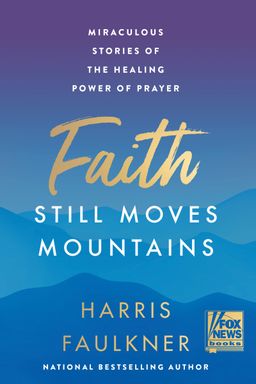
How can ordinary people experience extraordinary miracles in a chaotic world? In Faith Still Moves Mountains, journalist and author Harris Faulkner asks—and answers—that question through the lens of deeply human stories of loss, resilience, and divine intervention. Faulkner argues that modern society, despite technological progress, is suffering from a dangerous spiritual decline. Fewer people believe in God’s capacity to intervene, and fewer still believe prayer holds power. Yet time and again, she contends, faith and prayer have changed lives, healed bodies, saved destinies, and even altered history itself.
At its heart, this book is a testimony: a case study in divine order amid random chaos. Faulkner—a veteran journalist who has covered tragedies, wars, and miracles—builds a compelling argument that faith isn’t an abstract sentiment or passive belief; it’s an active force, a discipline, and a dialogue with God. Her stories illustrate that faith truly still “moves mountains,” as Jesus promised in Matthew 17:20. From tornadoes and pandemics to war-torn battlefields and personal despair, Faulkner gathers first-hand accounts showing how people across America rediscovered hope and purpose when they prayed.
A Nation Losing Its Belief in God
Faulkner begins with a sobering context: the decline of belief in God among Americans. Citing Gallup polls, she notes that belief has dropped from nearly 100 percent in the 1940s to 81 percent today, and only four in ten believe God acts in our lives. This cultural drift, she warns, has made faith seem outdated—a relic from more superstitious times. But her message pushes back forcefully: now, more than ever, people need reminders that divine love is real, that prayer is a living exchange, and that miracles still occur for those who keep the faith. Her book centers on rekindling that belief through vivid stories.
Stories That Test—and Renew—Faith
Every chapter presents evidence of God’s presence. We see an Alabama grandmother praising God after a tornado destroys her home but miraculously spares her prayer closet (Earnestine Reese). Two teenagers cry out for rescue as ocean currents drag them to death, and moments later a boat named Amen appears (Heather Brown and Tyler Smith). A mother suffering postpartum depression jumps off a bridge and survives when a trooper’s hand—guided by grace—catches her midair (Tina Zahn). An inventor-mom receives divine guidance to create a life-saving medical device for her son (Sarah Olson). Each narrative affirms that prayer is not a plea spoken into darkness—it’s a conversation answered in light.
Beyond personal stories, Faulkner reaches into history itself. She recounts how during World War II, General George S. Patton requested a prayer for good weather from his chaplain; days later, Allied forces broke German lines under clear skies in what soldiers called a “miracle.” Welsh missionary Rees Howells and his students prayed fervently for Hitler’s defeat, believing God’s power could “bend” him—and the timeline of Hitler’s missteps, Faulkner suggests, coincided with those prayers. These accounts place faith not just in personal survival, but at the center of humanity’s larger story.
The Silence of God and the Maturity of Faith
Still, Faulkner doesn’t shy away from the hardest question in religion: Why does God sometimes seem silent? Through Pastor Andrew Brunson’s imprisonment in Turkey, she explores the agony of spiritual abandonment. Brunson, a lifelong missionary, thought he had been forsaken when prayers for release went unanswered. Yet in prison he discovered what Faulkner calls unfelt grace—the quiet power that sustains the faithful when all else fails. His story reveals a key theological truth: faith means trusting God even in silence, realizing that divine timing often hides deeper wisdom. As Brunson said, “Pressure pushes us to run after God as never before.”
Faith as Discipline, Purpose, and Warfare
Throughout the book, Faulkner repeats that faith is not passive—it’s a discipline and a kind of spiritual warfare. Like athletes training for eternal crowns, believers must pray persistently. Faith restores order to chaos, she emphasizes, helping people see divine purpose in suffering. Her own reflections on her father, Lt. Col. Bobby Harris, illustrate this vividly. A decorated Vietnam veteran, he saw faith as a soldier’s armor, prayer as a weapon, and humility as strength. In his silence before God, Faulkner learned what true faith means: listening more than speaking, trusting more than demanding. The deepest prayers, she writes, begin where words end.
Why It Matters Today
Ultimately, Faith Still Moves Mountains confronts a universal human need: our longing for meaning amid suffering. It invites you to see adversity not as punishment, but as preparation—to view loss as the soil of miracles. In a world shaken by pandemics, war, addiction, and cynicism, Faulkner’s message is radical in its simplicity: we are never alone. God’s love is active, His timing perfect, and His miracles ongoing. Reading this book reminds you that even when you can’t move the mountain, faith can—and sometimes, it moves you instead.