
Idea 1
Extreme Productivity: Focus on Results, Not Hours
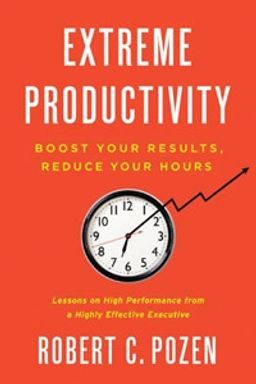
How can you accomplish more in less time without burning out? In Extreme Productivity, Robert Pozen—a prolific executive, professor, and author—argues that true productivity isn’t about how long you work, but about the results you deliver. He contends that most professionals confuse busyness with effectiveness, filling their schedules with meetings, emails, and trivial tasks that do little to advance their highest goals. His core claim is simple yet radical: success comes from focusing on outputs, not hours, and structuring your life around what truly matters.
Pozen’s approach emerges from decades of experience at the top of corporate, academic, and public policy worlds. He’s managed vast organizations like Fidelity Investments and MFS Investment Management while teaching at Harvard Business School and publishing widely. His message resonates strongly in today’s era of overwork and distraction: working more hours doesn’t guarantee achievement—it often leads to exhaustion and diminished creativity. What matters is using time strategically, aligning effort with meaningful goals, and cutting through inefficiencies that plague modern work culture.
The Philosophy Behind Extreme Productivity
Pozen’s system rests on a fundamental mindset shift. Instead of measuring success by hours worked, promotions, or appearances of diligence, he urges you to measure it by tangible impact: the quality and quantity of your results. This mindset forces you to prioritize tasks that truly move the needle on your professional and personal objectives. Productivity, in his view, becomes a way of maximizing what you achieve—not squeezing more hours out of your day. As he puts it, if you’re spending most of your time reacting to crises or attending unnecessary meetings, you’re letting others determine your priorities.
Pozen contrasts this approach with the norms of many workplaces—especially those driven by billable hours, such as law firms or consulting organizations. In those environments, time equals money, and professionals often feel compelled to overwork for validation or advancement. Instead, Pozen champions a “results orientation” that rewards efficiency and creativity. He reminds readers that their employers care far more about outcomes than about how many hours they sit at their desks.
The Core Framework: Five Dimensions of Productivity
Throughout the book, Pozen organizes his insights into five main areas. The first part presents his three big ideas: set and prioritize goals, focus on the final product, and don’t sweat the small stuff. These principles help you concentrate on essential goals and eliminate wasted effort. The second part explores productivity in daily life—crafting effective routines, handling travel efficiently, and running purposeful meetings. The third part dives into skill-building, covering how to read, write, and speak effectively. The fourth part tackles managerial productivity—how to manage your team and your boss for mutual success. Finally, the fifth part applies the productivity mindset to career planning and work-life balance, showing how to sustain long-term success without losing personal fulfillment.
Each section is full of actionable methods: two-column calendars to track purpose, structured outlines for writing, scripts for managing bosses, and rules for delegation. Collectively, they form a practical guide to mastering both time and relationships—the two foundations of sustained performance.
Why These Ideas Matter
Pozen’s core argument matters more than ever. In today’s hyper-connected world, professionals drown in information and distractions. Endless multitasking, meetings, and messages create the illusion of productivity while draining creativity and energy. Pozen’s ideas push back against this tyranny of busyness. His examples—from CEOs carving time to think to Google’s innovation breaks—illustrate that deliberate pauses and focus drive the best outcomes.
Pozen’s framework also challenges perfectionism. Many talented workers waste time polishing every task to an A-plus when a B-plus would suffice. His credo—“Finish the project quickly and well enough”—emphasizes judgment: devote time where it counts most, and learn to let go where it doesn’t. In this sense, his book echoes the pragmatic efficiency of Peter Drucker or Stephen Covey’s The 7 Habits of Highly Effective People, but with sharper emphasis on actionable techniques rooted in experience.
The Promise of a Balanced, Results-Based Life
Ultimately, Extreme Productivity isn’t about squeezing work into every minute. It’s about freeing time for what truly matters—family dinners, sleep, health, and personal growth. Pozen practices what he preaches, wrapping workdays by 7 p.m. to dine with his wife and children. His productivity system is humane: it empowers professionals to be efficient at work so they can enjoy life outside of it. It’s not just career advice—it’s a philosophy for living purposefully.
In Pozen’s words:
“Success depends not on the number of hours you work, but on the results you produce—and how those results align with your highest goals.”
As you explore his methods, you’ll learn to redefine productivity—not as relentless motion, but as deliberate mastery of focus and time. By doing so, you’ll not only get more done, you’ll build the space to think, connect, and lead a more fulfilling professional and personal life.