
Idea 1
Survival, Secrets, and the Search for Justice
What happens when the social hierarchies, assumptions, and silences of everyday life are stripped bare and exposed in their rawest form? In The Trial, Laura Bates reimagines an island survival story not just as an adventure, but as an indictment of our collective complicity in sexual violence and sexism. The book asks: what does justice really mean when the systems we depend on have failed? And what happens when a group of teenagers trapped together has to rebuild morality from scratch?
The Setup: A Crash That Triggers Confession
A private plane carrying a mixed student group—cheerleaders and basketball players from Oak Ridge Academy—crashes on a seemingly deserted island. At first, it reads like a typical survival scenario: scavenge, build shelters, share dwindling food and water. But Bates turns this familiar setup into a psychological crucible. Beneath the sand and sunburn lies the real story: each survivor must confront what happened at a party the night before the crash, when something unspeakable destroyed their trust. The leader of the cheer squad, Shannon, eventually reveals that she was raped at that party—an act that none of the others stopped, and which their silence helped perpetuate.
The Trial of Everyday Misogyny
Bates’s central argument is that our society has normalized the conditions that enable sexual harassment and assault. The island becomes a symbolic courtroom where modern gender dynamics are put on trial. The group debates Shannon’s revelation, struggling to understand consent, denial, complicity, and punishment. When Shannon begins to lash out by orchestrating small acts of vengeance against those she believes are guilty—spiking a drink, endangering a swimmer—she becomes both victim and avenger, forcing everyone to reckon with their own roles in the culture of violence and disbelief.
Themes That Matter: Silence, Power, and Accountability
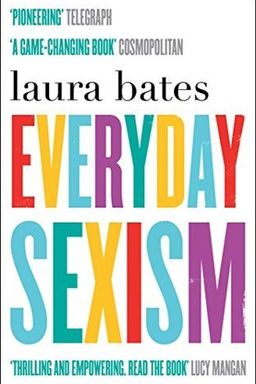
The book doesn’t unfold as a classic whodunit, even though at first it mimics one. Each emerging injury—the spiked cocktail, the glass trap, the shark bait—is an allegory for the invisible wounds women endure daily. Bates uses the campfire “trial” as a device to examine the weaponization of doubt: boys like Jason and Brian dismiss the rape as “buyer’s remorse,” while girls like Hayley and May dissect the real world implications of living constantly under threat. In doing so, Bates draws on her non-fiction work in activism (see Everyday Sexism) but translates it into visceral emotional fiction. The reader doesn’t simply observe sexism; they feel its suffocating consequences.
Why It Matters
When the group creates their own justice system, the book becomes a social experiment about human morality outside the law. Without courts, police, or authority figures, they must build their own version of accountability. Shannon’s story demands not just empathy but transformation—a recognition that justice can’t exist until silence breaks. Bates argues that rape culture thrives on disbelief and normalization, and that real change requires calling out the behaviors—jokes, excuses, dismissals—that reinforce it. The island, ultimately, is both a prison and a mirror reflecting the world we left behind.
As the survivors debate whether to support Shannon or condemn her, Bates leaves readers with the uneasy truth: justice may not be about punishment, but about understanding how deeply violence and control have shaped our world. The story forces you to ask not only what justice should look like—but whether we’re brave enough to create it ourselves when all the usual systems are gone.