
Idea 1
The American Dream of Becoming an Everyday Millionaire
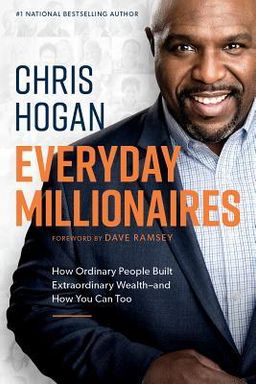
Can ordinary people still achieve the American Dream of financial freedom? In Everyday Millionaires, Chris Hogan argues that not only is becoming a millionaire possible in today’s America—it’s far more attainable than most people think. The myth that riches are reserved for the lucky, the brilliant, or the privileged is, Hogan contends, one of the most damaging lies circulating in our culture. Through the largest-ever study of American millionaires—over 10,000 surveyed—he reveals that most of them are not celebrities, tech founders, or inheritance recipients. They are everyday people, hiding in plain sight, who’ve built wealth through discipline, responsibility, and consistency.
Hogan’s core claim is disarmingly simple: millionaire status has little to do with luck or high income, and everything to do with mindset and behavior. It’s earned through intentional daily choices—living on less than you make, saving consistently, avoiding debt, and thinking long-term. He contends that the American Dream is alive and available to anyone who is willing to take ownership of their destiny. In his view, financial independence isn’t reserved for the ultra-educated or high earners but for those who embrace personal responsibility and practice financial discipline over decades.
Breaking Down the Myths
The book opens by dismantling six pervasive millionaire myths—ideas like “the wealthy inherited all their money” or “rich people are just lucky.” Hogan counters these cultural misconceptions with hard data: 79% of millionaires received no inheritance; 93% reached the mark through hard work rather than unusually high salaries; most drive modest cars and live below their means. The truth, he insists, is that wealth is not random—it’s built through consistent behavior over a lifetime. (The book’s ethos echoes Thomas Stanley and William Danko’s Millionaire Next Door, updated for a new generation.)
What Millionaires Actually Look Like
Hogan’s research paints a surprising picture. The top three professions among millionaires are engineer, accountant, and teacher—not CEOs or movie stars. Only one-third of millionaires ever earned a six-figure household income. Most come from middle- and lower-class backgrounds and attended public state universities. A majority paid off their homes within about ten years, and nearly three-quarter have never carried a credit card balance. They got rich slowly, through steady investing—typically in boring employer retirement plans like the 401(k). Far from risky gamblers, millionaires are planners, savers, and confident believers in their ability to shape their future.
The Five Key Attributes of Millionaire Mindsets
In the second half of the book, Hogan organizes his findings into five essential attributes that define the mindset of America’s everyday millionaires: ownership, intentionality, goal-orientation, hard work, and consistency. Each chapter dives into one attribute, providing vivid real-world stories from teachers, farmers, professors, lawyers, and couples who hit the million mark through patience and discipline. He encourages readers to adopt these principles regardless of their current income level or financial starting point.
- Millionaires own their decisions and take full responsibility for outcomes.
- They live intentionally, choosing purpose-driven spending over impulse.
- They set clear, measurable goals and keep their focus for decades.
- They work hard—not recklessly, but persistently and with passion.
- They stick with consistent habits like saving, investing, budgeting, and giving.
Why These Ideas Matter
The heart of Hogan’s message isn’t just financial—it’s psychological and cultural. He challenges the defeatist narrative that the “little guy can’t get ahead,” arguing that belief is itself a barrier to success. The stories of Rob the farmer, Sandra the retired police officer, and Catherine the pilot show that millionaire status begins with belief, not privilege. Whether one earns $35,000 or $200,000, the path is the same: spend less, save more, invest regularly, and stay the course. Through his conversational, motivational tone, Hogan’s book doubles as a manifesto for reclaiming hope in personal finance and restoring faith in the American Dream.
Ultimately, Everyday Millionaires is about empowerment. Hogan turns statistics into inspiration, asserting that becoming a millionaire is not just a financial goal—it’s a reflection of disciplined living and personal growth. The message to the reader is simple: you don’t need luck, certification, or elite connections. You need belief, a plan, and the consistent execution of simple financial habits over time. In a culture obsessed with shortcuts and instant gratification, Hogan reminds us that steady, intentional effort over decades still wins the race.