
Idea 1
Every Job Is a Sales Job: Selling as the Heart of Work and Life
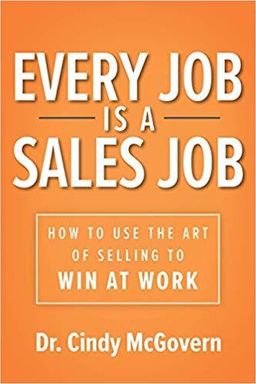
Have you ever thought, “I’m not a salesperson”? Dr. Cindy McGovern’s Every Job Is a Sales Job: How to Use the Art of Selling to Win at Work begins by dismantling that belief. McGovern argues that everyone—from teachers to accountants, from cashiers to CEOs—is constantly selling. You sell ideas, actions, and even moods every day. Whether you’re convincing your colleague to stay late for a project, asking a boss for a raise, or persuading a client to trust your advice, you’re participating in sales. The catch? Most people don’t realize it. McGovern’s mission is to teach you how to sell intentionally, ethically, and effectively—without feeling “icky” or manipulative.
McGovern’s central claim is surprisingly powerful: selling is service. It’s not about pushing unwanted products—it’s about helping others meet their needs. When you learn to use the art of selling, you gain a set of life skills that make you more successful in work, relationships, and leadership. In her world, the emotional intelligence behind every good sale—empathy, listening, trust, and gratitude—isn’t optional. It’s essential.
The Universal Nature of Selling
McGovern starts by reframing sales as what everyone already does intuitively. You convince, negotiate, request, or motivate every day—each of these acts is a sale. In her own story, McGovern shares how she transitioned from a communication professor to a consultant in a sales management firm, despite knowing nothing about sales or insurance. When she used her communication instincts—listening, connecting, mirroring others’ words—she landed the job. “That,” she realized later, “was selling.” This revelation forms the crux of the book: you don’t need a sales title or business card to be in sales. All you need is awareness and intention.
Selling, McGovern notes, isn’t about scripts or coercion—it’s about human interaction. She calls this approach “unofficial selling.” Unofficial sellers listen and connect to how their actions can help others achieve goals. When a technician fixes your air conditioner and offers to inspect your furnace because he heard you mention a leak, he’s selling. When a teacher inspires a struggling student by reframing feedback as encouragement, she’s selling. It’s all part of the same skill set: knowing how to turn interactions into opportunities.
The Five-Step Formula That Changes Everything
The book is structured around McGovern’s five-step process for successful (and ethical) selling: Plan, Look for Opportunities, Establish Trust, Ask for What You Want, and Follow Up. Each of these steps is illustrated through relatable stories—from a hardware store that wins customer loyalty by handing out dog treats, to a flight attendant who turns a freezing airplane into a warm, loyal brand experience through empathy and attentiveness.
In these five steps, you move from accidental selling to intentional influence. The first step—planning—asks you to identify what you truly want. Second, you learn to stay alert for opportunities that appear in everyday interactions. Third, trust becomes the foundation that replaces cheesy manipulation. Fourth, McGovern focuses on courage: most people don’t get what they want because they don’t ask. And fifth, she emphasizes gratitude—follow up by saying “thank you,” building relationships that last beyond a single transaction.
The “Ick” Factor and Ethical Selling
One of the book’s most engaging themes is what McGovern calls the “ick factor”—that uncomfortable sense of distrust many feel toward sales. She acknowledges that bad actors and pushy tactics have tarnished sales as a profession. But she insists the real problem isn’t selling—it’s harmful selling. Her antidote: turn selling into helping. McGovern trademarked the term “Helpaholic” to describe sellers who genuinely want to improve others’ lives. Her kind of selling builds reputations, not resentment. Being ethical, transparent, and generous removes “ick” because both sides gain something meaningful from the exchange. (This mindset echoes Adam Grant’s ideas in Give and Take, where helping others becomes a hidden path to influence.)
Culture of Sales and Kindness
McGovern also explores how managers can create workplace cultures where everyone sells. In her examples, ordinary employees—from the cashier who invites customers to donate spare change at Firehouse Subs to the hardware store worker who calls giving out dog treats the best part of her day—embody a culture of kindness that turns routine service into “commercials” for their business. In contrast, employees who ignore customers turn small missteps into “bad commercials.” Every interaction is an advertisement for your brand, whether you realize it or not.
Why These Ideas Matter
McGovern’s message is revolutionary because it democratizes sales. You no longer need to be in marketing to influence people. You just need to treat influence as everyday communication with purpose. In a world driven by connection, reputation, and trust, these principles matter more than ever. Ethical selling helps you earn promotions, gain new contracts, resolve conflicts, and build relationships that keep careers resilient in changing markets.
Ultimately, McGovern wants you to see your role at work—and in life—as an ongoing series of transactions that can improve others’ lives while improving your own. By reimagining sales as a form of generosity, not manipulation, she reframes influence into an act of leadership and humanity. As she says, “Every job is a sales job. And every day before, during, and after work, the selling continues.” Once you embrace that, you begin not just to sell better—but to live better.