
Idea 1
Healing Your Emotional Wounds with Emotional First Aid
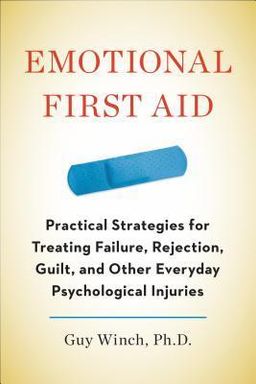
When you cut your finger, you instinctively clean the wound and apply a bandage. But what do you do when your heart gets cut—when you’re rejected, humiliated, or paralyzed by guilt? In Emotional First Aid: Healing Rejection, Guilt, Failure, and Other Everyday Hurts, psychologist Dr. Guy Winch argues that most of us have no idea how to tend to everyday psychological injuries—and this neglect leaves us limping emotionally for much longer than necessary.
Winch contends that just as physical pain warns us when something’s wrong with our body, emotional pain signals when something’s wrong with our mind and relationships. Yet while we treat cuts and colds without hesitation, we routinely ignore rejection, loneliness, or failure until they become infections of the psyche. His core claim is both simple and transformative: we must learn to practice mental health hygiene by applying evidence-based “emotional first aid” the moment life’s inevitable disappointments wound us.
The Core of Emotional First Aid
The book explores seven everyday injuries—rejection, loneliness, loss and trauma, guilt, rumination, failure, and low self-esteem—each capable of festering if left untreated. For every type of wound, Winch provides science-backed techniques, relatable stories from his clinical practice, and practical exercises. Think of them as the bandages, disinfectants, and balms for your mind: reframing thoughts, rebuilding self-compassion, learning how to apologize or forgive, and reengaging in life after setbacks.
For instance, rejection is more than a bruised ego—it literally activates the same brain regions as physical pain. Loneliness, too, is not just sadness; it can weaken immunity and shorten lifespan as much as smoking (a finding echoed by social neuroscientist John Cacioppo). Guilt can compel us to repair relationships, but left unresolved it can poison our self-concept. Failure corrodes self-esteem, and rumination on our missteps traps us in cycles of paralysis. Low self-esteem itself is both a wound and a weak immune system, leaving us vulnerable to all the others.
Why You Need a Psychological Medicine Cabinet
Winch’s thesis rests on a powerful metaphor: every household keeps antiseptic and bandages ready for physical wounds, but almost no one keeps emotional healing tools on hand. We were taught dental hygiene as children—why not mental hygiene? We’d never wait for a paper cut to become gangrenous, yet we allow rejection or shame to fester until they infect our relationships or career. By treating these injuries quickly, we can prevent short-term pain from becoming chronic emotional illness.
He envisions a world in which psychological first aid is as routine as brushing teeth: teaching children how to soothe disappointment, adults how to manage guilt without self-condemnation, and societies how to build compassion as the immune system of emotional well-being. It’s a call to revolutionize how we think about psychology—from crisis treatment to preventative care.
The Science and Humanity Behind Healing
Drawing from cognitive-behavioral therapy, social neuroscience, and decades of clinical cases, Winch integrates cutting-edge research into a warm, personal style. You meet real people—like Lionel, the eighty-year-old chess player immobilized by loneliness; Judy, the wife haunted by guilt over infidelity; or Lenny, the magician who had given up on his dream after failure. Through their stories, Winch makes emotional injuries tangible—and the process of healing relatable.
Each chapter transforms theory into application. Exercises ask you to write authentic apologies, challenge self-critical thoughts, visualize healthier perspectives, and practice self-forgiveness. These are not abstract psychology lectures—they’re prescriptions for emotional resilience. Like Brené Brown’s lesson that vulnerability is courage, Winch reminds us that self-compassion is strength: learning to treat your mind with the same kindness you’d offer a wounded friend.
A Toolkit for Emotional Resilience
Ultimately, Emotional First Aid is about empowerment. You can learn to recognize when you’re spiraling into rumination, when guilt has ceased to be useful, when failure has turned into self-sabotage. You can practice reframing experiences, forgiving yourself, and reconnecting with others—small acts that build what Winch calls an emotional immune system. This system doesn’t make you immune to pain, but it ensures minor psychological scrapes don’t become lifelong scars.
In a world increasingly aware of mental health yet still slow to treat it as seriously as physical wellness, Winch’s message lands with urgency. He challenges you to stop neglecting your emotional wounds and start taking care of your mind like the precious, living organism it is. His book doesn’t promise to make life painless—but it does teach you how to heal faster, hurt less, and bounce back stronger.