
Idea 1
How Feelings Shape Our Thinking and Lives
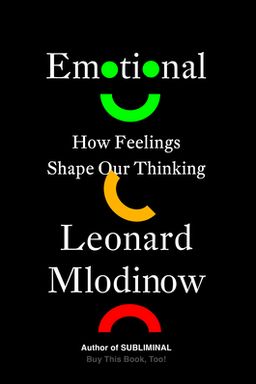
Why do you sometimes take risks you later regret, or freeze under pressure even when logic tells you what to do? In Emotional: How Feelings Shape Our Thinking, Leonard Mlodinow argues that your emotions are not distractions from rational thought—they are integral to it. Drawing on neuroscience, psychology, and poignant human stories, he explains that feelings shape how you interpret the world, decide what matters, and act in every domain—from love and grief to business, science, and morality.
Mlodinow contends that emotions aren’t irrational remnants of our animal past, as once believed, but adaptive tools that evolved to help us survive. They are cognitive shortcuts and finely tuned decision systems that work in concert with reason. He shows how emotions influence attention, memory, motivation, and even the ways we perceive reality, all while offering practical insight into how we can regulate them for a fuller, more intentional life.
From Classical Theories to Modern Neuroscience
The book begins by retracing the history of how emotions were misunderstood—from Plato’s idea of reason as a charioteer taming unruly passions to the 20th-century notion that rationality was superior. Modern research, Mlodinow reveals, overturns that notion. Scientists like Antonio Damasio, Lisa Feldman Barrett, and Ralph Adolphs—figures Mlodinow consults throughout—demonstrate that emotion and cognition are inseparable processes. A person without functioning emotion centers, as studies of brain-injured patients show, cannot make even simple decisions. Far from being irrational, emotion provides the signal for what to value and how to act.
Emotion as the Core of Human Intelligence
Mlodinow’s core argument is that emotions are functional states of the mind. They shift our brain into different modes of operation, prioritizing certain goals, altering how we weigh risks, how attentive we become, and how we interpret information. In essence, emotion changes the mind’s operating system. Fear sharpens focus and risk detection, anger heightens self-interest and assertiveness, sadness triggers introspection and adaptation, and joy expands attention and creativity. These are not flaws in logic; they are survival tools fine-tuned by evolution.
The Revolution of Affective Neuroscience
Underlying the narrative is the rise of affective neuroscience—the fusion of psychology and neurobiology that has, in just a few decades, mapped the brain regions and circuits behind emotional processing. Using modern tools like fMRI, optogenetics, and connectome mapping, scientists can now see how emotions emerge from the constant interaction of body and brain. Mlodinow blends these discoveries with vivid human tales: from the anxiety-ridden test pilot who triggered disaster under pressure to his Holocaust-survivor parents whose emotional worlds were shaped by trauma.
Why Emotion Matters
Across the book’s nine chapters, Mlodinow examines how emotion guides thought (“feeling before reasoning”), links the mind and body through “core affect,” drives desire and determination, shapes personality and emotional style, and can be consciously managed through strategies like mindfulness, reappraisal, and expression. His ultimate message is empowering: by understanding and harnessing our emotional systems rather than suppressing them, we can think better, connect deeper, and live more wisely. This book is not just about the science of feeling—it’s about reclaiming it as the foundation of being human.