
Idea 1
Mastering Survival in an Unstable World
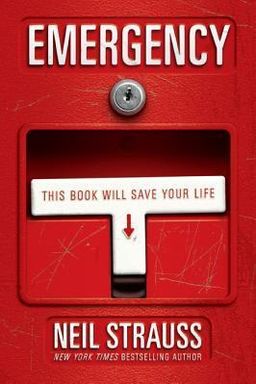
What would you do if your city were suddenly torn apart by disaster—whether an earthquake, war, or economic collapse? Would you know how to protect yourself and the people you love? This book, Mastering a Broad Range of Skills to Handle Any Crisis, asks this very question and examines what it truly means to be prepared for global catastrophe. The author argues that genuine survival isn’t about panic or paranoia—it’s about self-reliance, adaptability, and the ability to take decisive action when the systems we depend on crumble.
We live in a world that feels increasingly unpredictable. Hurricanes devastate coastlines, terrorist attacks alter cities overnight, and pandemics reshape entire societies. Because uncertainty has become part of modern life, the author contends that survival preparation isn’t fringe or extreme—it’s a rational response to instability. But preparation itself can take many forms, and what you prepare for depends on how you view human nature and community.
Different Ways to Think About Survival
The book opens by introducing three very different philosophies of preparedness. Each one emerges from a unique belief about how humans behave when systems collapse. Traditional survivalists, the author notes, assume that chaos will unleash our worst instincts: that people will steal, fight, and turn violent once laws and social norms disappear. Their solution is to stockpile weapons, food, and supplies—to outlast the chaos through isolation and defense.
Permaculturists, on the other hand, believe in cooperation and mutual aid. They think humans will come together to build sustainable, self-sufficient communities that mimic the resilience of natural ecosystems. One example, Commonweal Garden in California, is described as a living microcosm of Earth where residents cultivate balance among plants, animals, and people. These communities might survive social collapse not through defense but through regeneration.
Finally, primitivists like Tom Brown advocate for returning to the wilderness entirely. They train to live away from all modern tools and technologies, mastering skills like shelter-building, fire-making, foraging, and hunting. In their view, survival is most secure when rooted in direct connection with nature.
Preparation Beyond Mindset: Building Practical Strategy
The author doesn’t stop at philosophy—he dives into practical action. He emphasizes that modern survivalism demands a mix of strategic planning and hands-on skills. You need backup resources, escape routes, and multiple contingencies. For instance, he describes his own escape strategy: multiple hideouts (a cabin in Washington and a safe haven in St. Kitts), along with caches along his routes stocked with essentials like food, water, ammunition, and fuel.
Beyond supplies, transportation plays a crucial role. You might not be able to rely on your car during mass evacuation, so alternative vehicles like motorcycles, sailboats, or even small aircraft could be lifesavers. The book paints a vivid picture of escaping gridlocked highways on a motorcycle or sailing out to sea—with tools like a fishing pole and desalinator for freshness and hydration.
The Value of Second Citizenship
Preparation isn’t only physical—it’s political and geographical. The author recounts how, after the U.S. presidential election of 2004, inquiries about emigration spiked among Americans fearful of geopolitical instability. His insight: a second passport can be one of the most powerful tools for safety. It’s difficult but feasible to acquire citizenship elsewhere, whether by investment (as Austria allows for a million-dollar purchase) or through family ties and unusual legal loopholes. In times of global distress, mobility equals survival.
Self-Reliance and Skill Mastery
Of course, equipment and paperwork are useless if you can’t survive without modern systems. That’s why the author devotes large sections to developing independence from electricity, plumbing, and public services. He encourages learning critical skills like firearm safety, knife handling, fire-starting, and basic medical care. In his own journey, he trained at Gunsite Range in Arizona to learn tactical shooting and with a knife expert called Mad Dog, mastering everything from tool-sharpening to animal processing.
(It’s similar to what survival instructors such as Cody Lundin advocate in When All Hell Breaks Loose: that skill, not gear, determines resilience when infrastructure fails.)
Urban Survival and Psychological Resilience
Since most people live in cities, the author explores urban survival training through an Escape and Evasion course led by Kevin Reeve. Students learn how to pick locks, avoid capture, disguise identity, and improvise tools from everyday objects. It’s not just about physical capability—it’s about mental adaptability when surrounded by chaos. This emphasis on flexibility connects deeply to the book’s later discussions on managing fear and emotional resilience.
The author’s breakthrough came when he realized that survival isn’t only about escaping danger—it’s about facing it and helping others. He learned that volunteering, emergency training, and EMT certification transformed his fear into confidence. After helping an injured motorcyclist on the highway using EMT skills, he grasped that survival preparation can evolve into service rather than isolation.
Why This Matters Today
Ultimately, this book is both practical and philosophical. It challenges readers to think beyond stockpiling supplies and to question what it actually means to survive. The author argues that true preparedness fuses competence with compassion. In moments of crisis, technology may fail, governments may delay, but human initiative—trained by discipline and empathy—can prevail.
Core Message
To survive catastrophe, you must prepare not just your supplies but your spirit. Survival begins with knowing your environment, cultivating essential skills, and staying ready to help, not just hide.
This book reminds you that living in fear can trap you—but living with readiness can free you. Whether disaster strikes or not, these habits of awareness, courage, and contribution can make daily life itself more grounded, purposeful, and resilient.