
Idea 1
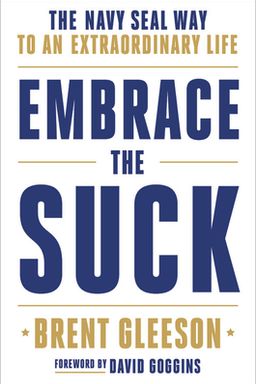
The Navy SEAL Way to an Extraordinary Life
How do you cultivate the inner armor to endure suffering, adapt to any hardship, and craft a life of purpose? In Embrace the Suck, former Navy SEAL Brent Gleeson answers this with a philosophy forged in the crucible of combat. He argues that extraordinary lives aren’t born from comfort—they’re built from struggle. Drawing on hair‑raising SEAL training stories and personal failures in both war and business, Gleeson shows that resilience is a skill you can train like a muscle. When you learn to face discomfort head‑on, you master not only adversity but yourself.
Gleeson contends that living greatly means choosing pain on purpose: doing the hard, boring, or downright miserable things that forge character and strength. His main contention—embracing the suck—is military slang for meeting hardship with grit, humor, and intention. For him, the phrase becomes a framework for personal growth encompassing pain, failure, purpose, discipline, and mindset. The book functions as a kind of resilience field manual, blending battlefield realism with applied psychology and performance science.
Resilience Is a Trained Skill
At its core, Gleeson insists resilience isn’t innate; it’s the product of deliberate conditioning. Pain and discomfort are the training grounds for mental toughness, much like muscle tearing precedes strength gains. We all face adversity—loss, failure, rejection—but only those who change their relationship with pain rise above it. Drawing from psychologists like Carol Dweck and Kazimierz Dąbrowski, Gleeson shows that adopting a growth mindset is essential: rather than avoiding the hard stuff, use it as fuel for forward motion. Just like SEALs train for chaos until it feels normal, you can rewire your brain to respond to difficulty with composure and curiosity.
The Three Ps: Persistence, Purpose, and Passion
Gleeson’s foundational framework—the “Three Ps”—is what separates those who persevere from those who quit when the surf gets cold. Persistence keeps you pressing on when progress is microscopic. Purpose links your struggle to something larger than yourself, like a mission or cause. And Passion provides emotional energy that keeps resilience sustainable even when reason says stop. These traits define not only SEALs but anyone intent on designing an extraordinary life, from entrepreneurs to parents. Resilience, he writes, “is a summation of what you fight for and what you refuse to give up.”
From the Battlefield to Real Life
Through visceral storytelling, Gleeson connects combat lessons to civilian challenges. Hell Week, with its freezing surf and sleepless nights, becomes a metaphor for any personal crucible where comfort collapses and character emerges. The same principles that help soldiers survive firefights—discipline, communication, accountability—apply just as much to running a company or rebuilding a marriage. The difference, Gleeson says, lies in how you interpret the pain: as punishment or preparation. Every hard thing can cement or corrode your mind depending on the story you tell yourself while it’s happening.
Why It Matters Now
Written amid the global turbulence of 2020, the book is a response to a world suddenly acquainted with collective struggle. Gleeson positions resilience as the ultimate competitive advantage—not only for survival but for fulfillment. Whether confronting a pandemic, business collapse, or personal loss, the same principle applies: lean in instead of retreating. Building those calluses of the mind prepares you for any battlefield life throws at you.
What You’ll Learn
Across twelve chapters and numerous “mental models,” Gleeson leads you through a progression. You’ll begin by seeing pain as a pathway to growth, then learn how to overcome victimhood by owning bad hands and reframing setbacks. You’ll audit your values, tame temptation, and practice deliberate discomfort daily. From there, you cultivate discipline and apply SEAL planning and execution frameworks to civilian goals. Ultimately, you practice purposeful suffering—choosing struggles that matter—and confront mortality as motivation.
By the end, Embrace the Suck reframes hardship as the universal classroom for greatness. Whether you’re scaling your business, recovering from trauma, or just trying to live more intentionally, Gleeson’s message hits with Navy‑grade clarity: stop waiting for comfort. The extraordinary life you’re after begins the moment you stop resisting the storm and start steering through it.