
Idea 1
Being One‑Up: Reimagining Sales as an Ethical, Consultative Craft
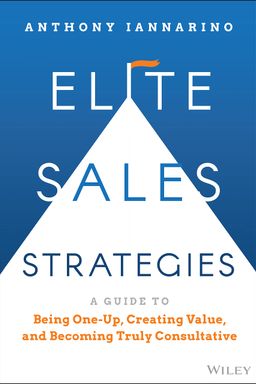
When you sit across the table from a potential client, who really holds the power—you or them? In Elite Sales Strategies: A Guide to Being One‑Up, Creating Value, and Becoming Truly Consultative, veteran sales strategist Anthony Iannarino provokes that very question. He argues that in modern selling, genuine value and authority don’t come from closing tricks or product pitches, but from becoming “One‑Up”—the person who knows more about the changes, choices, and consequences affecting the client’s world than the client does themselves.
Being One‑Up doesn’t mean you’re superior; it means you possess experience and insight that genuinely help. Just as Iannarino’s Everest Sherpa story illustrates—the guide wasn’t more important than his client, but he knew the terrain and could recognize what would save a life at 17,000 feet—so too must the salesperson become a capable guide for clients navigating complex, high‑stakes business decisions. The client, by contrast, is “One‑Down” in this specific domain, not because they’re less intelligent, but because they lack the situational knowledge the salesperson can provide.
Iannarino’s central claim: the ethical obligation of sales is to create value by teaching, leading, and advising clients to make better decisions—long before they sign a contract. The transaction itself is secondary. Your greatest leverage isn’t your product; it’s your ability to make sense of complexity, expose hidden problems, and help clients choose well.
The Power of “One‑Upness”
At the heart of the book is a subtle redefinition of authority. In most relationships, being “one‑up” implies arrogance or manipulation. But Iannarino flips that: true One‑Upness is service-minded expertise. It comes with the humility to know when you’re One‑Down (as the Sherpa might be about business networking) and the courage to take responsibility when you’re One‑Up (as the Sherpa was about altitude sickness). The mark of an ethical salesperson, he insists, is not domination but obligation—to guide the client toward clarity and action that will improve their results.
This balance of confidence and humility sits at the tension that sales has always carried, between pursuing the deal and truly helping the client—a tension Iannarino embraces rather than resolves. Power in selling, like power in therapy or teaching, must be exercised responsibly. With great knowledge comes responsibility: to use it for mutual benefit, not personal gain.
From Legacy Selling to Modern Consultative Selling
Iannarino structures the book as a roadmap out of what he calls “legacy sales approaches”—two outdated models still haunting the profession. The first, Legacy Laggard, focuses on information disparity (“you don’t know what we sell”)—a relic of the 1950s when access to product data itself created value. The second, Legacy Solution Selling, evolved into a game of finding pain points and matching them to fixed solutions—useful once, but now largely commoditized. Both focus on your product instead of your client’s decisions.
The Modern Approach, in contrast, is dynamic, consultative, and insight‑driven. Instead of asking “Why us?” or “Why our solution?”, the modern salesperson leads with “Why change?” and “Why now?” You are responsible for helping clients see forces they’ve missed, make sense of shifting markets, and build confidence in the path ahead. Being One‑Up means showing customers what’s changed—not just what you sell—and then guiding them through a buying process they may have never successfully navigated before.
The One‑Up Sales Conversation
The book’s backbone is the sales conversation as the sole vehicle for value creation. Every opportunity to meet or talk is a chance to elevate your client from One‑Down to One‑Up by sharing meaningful insight. The pandemic of commoditized “discovery calls” has made this vital skill rare: executives sit through dozens of identical meetings each year and are desperate for one that actually teaches them something new. Iannarino’s rule is radical: in your first conversation, you may not mention your product, your company, or your prior clients. All you may bring is insight and guidance your client didn’t have before.
“You are the value proposition,” Iannarino writes. “Not your company, not your solutions. You walk in the door alone, and your client decides whether to buy based on your conversation.”
That conversation must generate insight, emotion, and certainty—the antidotes to the modern client’s paralysis by complexity. Even legacy “solution” talk is too narrow; what buyers want today is sense‑making—someone who sees clearly through noise and ambiguity.
Ethics and Obligation: The Moral Core of Selling
Iannarino is relentless about ethics. Being One‑Up means never exploiting your advantage. To manipulate clients, as in his anecdote of hustlers pressuring prospects at a conference, is to betray the profession’s soul. Ethical selling means trading value for time: every interaction must reward your client’s attention. In short, you win the right to sell by being worthy of trust—credible, reliable, intimate, and other‑oriented (here echoing Charles Green’s Trusted Advisor).
The One‑Up mindset fuses professional mastery with moral intent. Its discipline requires deep learning, preparation, and an ongoing humility to know when your client can teach you something you don’t know. The final measure of success is simple: did your conversation change your client’s perspective? If it did, you served them. If it didn’t, you sold nothing of real value.
Why This Matters Now
In an age when buyers can Google every specification but still drown in conflicting advice, the One‑Up salesperson becomes more valuable than ever. You aren’t just a vendor—you are a teacher, analyst, psychologist, and change agent rolled into one. Iannarino’s message, echoed by thinkers like Daniel Pink (To Sell Is Human), is that selling is fundamentally human work: helping others make confident choices in uncertainty. In doing so, he reframes sales as one of the most ethical, intellectually demanding, and fulfilling professions available—if, and only if, you choose to play the One‑Up game responsibly.