
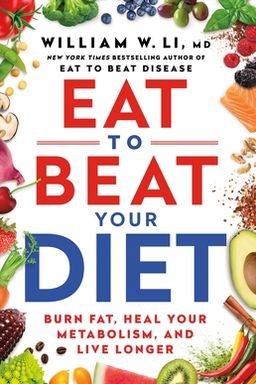
Eat to Beat Your Diet cover

Eat to Beat Your Diet

by William W Li

Eat to Beat Your Diet is your guide to healthy weight loss and a disease-free life. Dr. William W. Li reveals how embracing the MediterAsian lifestyle and incorporating metabolism-boosting foods can lead to long-lasting health and happiness. Discover the surprising truths about fat and metabolism that can transform your life.

Eat to Beat Fat: The Science of Turning Food Into Medicine

What if eating could be your most powerful tool for metabolic repair and lifelong health? Dr. William Li’s Eat to Beat Fat reframes fat as a dynamic organ and reveals that the right foods, eaten in the right way, can help you reshape your body from the inside out. Fat isn’t just an accumulation of calories—it’s a living system of cells, blood vessels, and hormones that communicates with every organ. Understanding that biology unlocks a new way to think about food: as medicine that fine-tunes your metabolism, heals damage, and helps you regain control of your health.

The core argument of the book is simple but radical: rather than fighting fat through deprivation or punishing exercise, you can use food strategically to teach your body to regulate fat better. Dr. Li organizes this transformation through an intricate story—beginning with the physiology of fat, its links to disease, and the five health defense systems that food can strengthen. You then learn how certain bioactives, beverages, and timing strategies like intermittent fasting can activate thermogenesis, regulate hormones, and protect your DNA. Finally, the book translates all of this into a practical lifestyle—the Eat to Beat Protocol—complete with recipes and behavioral tools.

Fat Reimagined: Organ, Not Enemy

Dr. Li begins by reframing fat from a cosmetic issue into a biological marvel. Adipose tissue stores energy, secretes hormones such as leptin and adiponectin, and contains brown fat pockets that generate heat. But when this organ overgrows—especially as visceral fat—it becomes toxic, releasing inflammatory cytokines, overproducing insulin, and damaging blood vessels. That’s why you can look healthy yet still harbor metabolic illness; visceral fat around organs silently contributes to diabetes, heart disease, and cancer.

The antidote isn’t starvation—it’s restoring fat’s healthy function by nourishing your body’s innate defense systems: angiogenesis (blood vessel control), regeneration, the microbiome, DNA protection, and immunity. Each system both influences and is influenced by fat. When balanced, they burn fat efficiently and prevent disease.

The Biology Behind the Food

Li’s framework draws on a wide sweep of modern science. He describes how green tea, turmeric, and soy can inhibit angiogenesis that feeds unhealthy fat; how pomegranate or cranberry extract can encourage bacteria like Akkermansia that keep your gut and metabolism lean; and how brown fat—a rediscovered heat-producing tissue—burns white fat and can be gently activated by foods such as chili, green tea, and menthol. The implication is empowering: food acts at the cellular level, altering hormone signaling, gene expression, and even stem cell differentiation.

This “bioactive-first” perspective challenges traditional calorie-counting. You’re not merely eating for energy—you’re eating information that instructs your fat cells what to do. Chlorogenic acid can steer stem cells toward brown fat. Sulforaphane from broccoli can reverse leptin resistance, helping you recognize fullness again. Anthocyanins in berries reduce visceral inflammation. The food itself becomes a multi-targeted therapy.

Metabolic Reset: Timing, Activation, and Lifestyle

The second pillar of the book shows that metabolism isn’t fixed. A global analysis of thousands of people found four universal energy phases in life, proving that a slow metabolism isn’t destiny—it’s a function of fat. Lose the harmful fat, and your metabolic curve normalizes, restoring the energy balance you were designed for. Li teaches you how to reignite this potential through small, strategic changes: activating brown fat, shortening eating windows, sleeping deeply, and moving regularly.

Intermittent fasting, for example, works by lowering insulin long enough for lipolysis to begin. Even a 12-hour fast (say 8 a.m. to 8 p.m.) can make a measurable difference, with longer windows multiplying the effect. Fasting doesn’t starve you—it trains your body to burn stored energy efficiently. Combined with bioactive-rich foods, beverages like tea or coffee, and seafood-derived omega‑3s, this approach builds a metabolically flexible inner system rather than a depleted one.

From Theory to Table: Living the Protocol

What makes Eat to Beat Fat distinctive is its deep practicality. The “MediterAsian” pattern merges Mediterranean staples—olive oil, seafood, vegetables—with Asian ingredients such as green tea, soy, and mushrooms for a synergy of bioactives. The three-phase Eat to Beat Protocol—Swap, Fast, and Maintain—turns scientific principles into daily habits. Swaps replace refined and processed food with nutrient-dense alternatives. The fasting phase trains your metabolic rhythm. Maintenance establishes flexibility and self-knowledge, reinforced by journaling and mindful eating.

Finally, Li expands the definition of metabolic health to include sleep, stress reduction, movement, and social eating—all of which modify hormones like cortisol and leptin. These environmental and emotional shifts stabilize metabolism beyond diet. It’s a whole-system reset built around real food and realistic behavior, not restriction.

Core message

Your fat can work for you once you learn how to feed it properly. Through strategic eating, metabolic timing, and mindful living, you can transform fat from a liability into a regenerative, hormone-balancing organ. Food isn’t just fuel—it’s the code that instructs your biology to heal, stay lean, and thrive.


Fat as a Living Organ

Most people think of fat as excess weight, but Dr. Li reframes it as a multifunctional organ critical to survival. Fat stores energy, controls hormones, and even produces heat to maintain body temperature. When you understand it as a living system, you begin to see why balance—not eradication—is the goal.

Fuel, Hormones, and Function

Fat cells store triglycerides containing vast potential energy—enough to sustain life for weeks. But when storage capacity is exceeded, cells swell and produce stress signals. Adipose tissue also behaves as an endocrine gland: it releases leptin to signal fullness, adiponectin to enhance insulin sensitivity, and resistin to influence inflammation. Disruptions such as leptin resistance explain why overeating can persist even when blood leptin is high—your brain stops hearing the message.

Types of Fat and Their Roles

You carry several kinds of fat. White fat primarily stores energy, while brown and beige fat contain mitochondria that burn energy to generate heat via uncoupling protein 1 (UCP1). Babies rely on brown fat to stay warm; adults retain pockets of it around the neck and shoulders. PET–CT imaging by Ronald Kahn’s team (2009) revealed active brown fat even in adults exposed to mild cold—a discovery that changed how medicine views metabolic control.

Location matters. Subcutaneous fat lies under your skin and is mostly benign, while visceral fat encases organs and secretes inflammatory molecules that increase the risk of heart disease, cancer, and diabetes. Managing where your body stores fat is more important than chasing a specific weight.

Key takeaway

Respect fat as an organ with vital roles in energy, hormones, and immunity. Your goal is not to wipe it out but to keep it metabolically active and evenly distributed—lean in the right places, lively in its brown version, and quiet in its visceral form.


Five Defense Systems that Control Fat

Dr. Li organizes your body’s resilience into five integrated systems—angiogenesis, regeneration, microbiome, DNA repair, and immunity—and shows how fat interacts with each. Supporting these defenses with food doesn’t just protect against disease; it directly weakens harmful fat while nurturing beneficial kinds.

Angiogenesis and Regeneration

Fat can’t grow without blood vessels. Antiangiogenic foods like green tea (EGCG), turmeric, and soy suppress the abnormal vessel formation that feeds expanding fat and tumors. Conversely, regenerative mechanisms use adipose-derived stem cells for healing—evidence from early spinal-cord and heart repair trials demonstrates how these cells can rebuild tissue. In a healthy body, you want controlled vessel growth and balanced regeneration, both influenced by diet.

Microbiome, DNA, and Immunity

Your gut bacteria dictate how efficiently you process energy. Lean individuals tend to host Akkermansia muciniphila, which thrives on polyphenols from pomegranate, cranberry, and green tea. This microbe tightens gut lining, lowers inflammation, and stabilizes metabolism. Excess visceral fat, by contrast, disrupts DNA through oxidative stress. Foods rich in carotenoids, omega‑3s, and vitamin C fortify repair and modify epigenetic marks toward healthful expression. Finally, fat also houses immune cells—macrophages can increase from 5% to 40% of fat-cell composition in obesity, driving inflammation. Blueberries, garlic, and broccoli lower this immune overactivation.

Takeaway

Fat is both nourished and restrained by your body’s defense systems. Foods that sustain angiogenesis, regeneration, microbiome diversity, genomic stability, and immune balance simultaneously help you defend yourself from disease and excess fat accumulation.


Metabolism and the Hidden Harm of Fat

Metabolism defines how your body uses energy, and Dr. Li demonstrates that it’s neither random nor doomed by genetics. Across cultures and ages, humans share the same four metabolic phases. What throws that rhythm off is excess fat—especially the visceral type that secretes hormones and inflammatory chemicals that slow the metabolic engine.

The Four Phases of Metabolic Life

Based on Herman Pontzer’s dataset of over 6,000 people, metabolism peaks in infancy, declines through adolescence, stabilizes from ages 20–60, and drops only 0.7% per year thereafter. This stability means your metabolism doesn’t naturally slow midlife—it’s impaired by added fat. When fat stores become overloaded, lipotoxicity and inflammation depress metabolic activity, leading to insulin resistance and metabolic syndrome. Losing even small amounts of weight reverses this suppression.

Visceral Fat’s Multisystem Damage

Hidden fat around organs drives much of modern illness. It increases insulin and IGF‑1 signaling (promoting tumor growth), raises blood pressure through leptin-induced stress responses, compresses kidneys, and restricts lung and brain function. During COVID‑19, this same fat amplified inflammation and worsened outcomes. Reducing visceral stores is thus not cosmetic—it’s preventive medicine against chronic disease.

Key point

Restoring healthy metabolism means reducing fat that obstructs organ function while activating the tissues—like brown fat—that burn it. Even moderate loss restarts the intrinsic metabolic rhythm written into our biology.


Brown Fat and Thermogenesis

If visceral fat is the villain, brown fat is the hero of Dr. Li’s narrative. This metabolically active tissue converts stored energy into heat through thermogenesis. Unlike white fat, which saves energy for later, brown fat spends it—raising resting metabolism and improving blood-sugar control.

The Activation Pathway

Cold exposure or certain foods signal the brain to release norepinephrine, which binds to β3‑adrenergic receptors on brown adipocytes. That triggers production of UCP1 inside mitochondria, uncoupling respiration and generating heat. Pharmaceutical experiments using the drug mirabegron confirmed this mechanism, raising metabolic rate by 13% but with side effects too strong for general use. Nature offers safer routes.

Food and Environmental Activators

Capsaicin in chili peppers activates TRPV1 receptors, mimicking the cold pathway. Green tea (via EGCG), soy isoflavones, resveratrol, turmeric, and menthol act on similar thermogenic genes. A three‑month trial of capsinoids showed a sixfold greater reduction in visceral fat compared with placebo. Even mild room-cooling, brisk walking, or drinking icy water triggers beneficial activation. Brown fat isn’t fantasy—it’s your body’s built-in furnace, ready to be stoked through everyday actions.

Essence

Lean metabolism isn’t about eating less—it’s about encouraging your tissues to burn more. Brown and beige fat activation provides a natural, enjoyable way to harness thermogenesis through flavor, temperature, and movement.


Bioactive Foods and Their Mechanisms

Dr. Li draws from a deep well of nutritional science to show that specific food compounds alter fat biology. These bioactives change how adipocytes behave—turning white fat beige, lowering inflammation, or improving insulin sensitivity. You can strategically combine foods to recruit these effects rather than rely on supplements.

Top Bioactives and Food Sources

  • Chlorogenic acid (coffee, apples, artichokes) encourages stem cells to develop into brown-like fat cells and improves energy expenditure.
  • Sulforaphane (broccoli, kale) promotes fat browning and reverses leptin resistance.
  • Anthocyanins (blueberries, blackberries) reduce inflammation and visceral fat.
  • Quercetin (apples, onions) enhances UCP1 and improves insulin sensitivity.
  • Others such as ursolic acid (rosemary), ellagic acid (pomegranate), and omega‑3s (fish) complement these actions, creating what Li calls an “entourage effect.”

Together, these foods calm inflammation, activate thermogenesis, and feed microbiota that keep your metabolism flexible. Real synergy happens in whole‑food meals where compounds interact naturally—a point echoed in modern nutrition science.

Practical rule

Eat a rainbow of plants, complement with seafood and olive oil, and let each meal deliver a cascade of bioactives that teach your fat to burn instead of store.


Power Drinks: Water, Tea, Coffee, and Juices

Your beverages can accelerate or sabotage fat loss. Dr. Li prioritizes water and polyphenol-rich drinks, showing clinical evidence that these liquids directly influence metabolism. They hydrate, fuel thermogenesis, and nurture the gut microbiome without excess sugar.

Water and Thermal Burn

Water itself boosts metabolism: studies from Humboldt University found a 30% rise in energy use after drinking. Replacing even one diet soda with water daily led to 3.74‑pound greater loss over a year than the diet‑drink group, proving simplicity beats artificial sweetness. Hydration also suppresses appetite and supports kidney function impaired by visceral fat.

Teas, Coffee, and Juices

Green, oolong, and pu'er teas supply EGCG and other catechins that drive fat oxidation and microbiome changes. Matcha, in particular, raised fat burning by 35% during exercise in one UK study. Coffee’s chlorogenic acid and moderate caffeine increased four‑point‑six pounds of fat loss over six months in a Harvard trial. Natural juices like pomegranate, tomato, or cranberry increase adiponectin while fostering gut bacteria linked with leanness. The caveat: avoid added sugar and prefer minimal processing.

Hydration insight

Sip water and polyphenol-rich teas throughout the day. They create subtle thermogenic shifts and biochemical benefits that rival complex diets—without deprivation.


Marine Foods and Fat Control

Seafood and seaweed form a cornerstone of the Eat to Beat approach because marine foods blend high-quality protein, omega‑3 fats, and unique bioactives like fucoxanthin. These compounds directly activate fat metabolism while protecting the heart and brain.

Omega‑3 Potency and Dosing

Different fish vary dramatically in omega‑3 concentration. Sardines, anchovies, and mackerel provide the equivalent of a full therapeutic dose in mere bites. Larger or leaner fish such as cod or turbot need larger servings. Li’s “cod‑dose” guideline translates lab data into household measures so you can eat efficiently rather than supplement blindly. He warns about king mackerel’s mercury but celebrates fresh mackerel’s unmatched potency.

Seaweed Bioactives

Plant-based eaters can turn to wakame and kombu for marine omega‑3s and fucoxanthin, which activates UCP1 in fat cells to increase thermogenesis. These sea vegetables also improve GLP‑1 release, curbing hunger naturally. Seaweed and small fish alike exemplify “nutrient density per bite,” aligning with sustainable eating principles seen in Mediterranean and Japanese diets.

Advice

Aim for diverse seafood—two to three times weekly—and sprinkle seaweed into soups or salads. This blend provides omega‑3s and thermogenic carotenoids that enhance fat metabolism naturally.


The Eat to Beat Protocol

Dr. Li condenses all his findings into an actionable three‑stage plan: Swap, Fast, Maintain. The goal isn’t a quick fix but a sustainable metabolic rhythm supported by real food.

Stage 1: Swap

For two weeks, you identify “Slow‑Down Foods”—processed snacks, refined carbs, sugary drinks—and trade them for “Fat‑Fighting Foods.” Examples: white rice to brown or cauliflower rice, frozen pizza to vegetables, candy bars to dark chocolate or nuts. These swaps cut inflammatory additives and introduce bioactives that tune metabolism. Food journaling builds awareness of emotional triggers.

Stage 2: Fast

Next comes time‑restricted eating. Begin with a 12‑hour window and gradually move toward 14/10 or 16/8. The resulting insulin drop enables fat oxidation. Missing an occasional meal deepens the effect, provided hydration continues. The plan offers sample menus—MediterAsian dishes combining olive oil with turmeric, fish, soy, or mushrooms—to make fasting nourishing, not punishing.

Stage 3: Maintain

Maintenance sustains habits long‑term with flexibility. You keep a stable eating window, continue healthy swaps, and revisit journaling. The plan is restartable by design—falling off isn’t failure but an expected part of adaptation. Dr. Li’s behavioral anchors—meal planning, weekly prep, and mindfulness—turn metabolic awareness into a lifestyle.

Principle

Simplicity sustains success: consistent timing, colorful whole foods, and self‑observation rebuild metabolism more reliably than restrictive dieting.


Mindset, Lifestyle, and Mastery

Beyond biology, Dr. Li argues that mastery over eating comes from mindset. Drawing inspiration from Bruce Lee’s “be like water” philosophy, he teaches adaptability, self‑knowledge, and mindfulness as the psychological complement to nutritional science. Dieting that ignores behavior fails; one that honors personalization thrives.

Be Like Water

Clear your mind of assumptions about perfect diets. Experiment, observe, and adjust. When traveling or socializing, adapt—choose the best available swaps instead of abandoning your principles. This flexibility turns eating into a resilient practice rather than a rigid plan. Self‑observation through journaling helps discern which foods energize or drain you, enabling decisions based on evidence—your own body’s feedback.

Sleep, Stress, and Movement

Li closes with lifestyle tuning: consistent sleep (7–9 hours) normalizes leptin and ghrelin; regular activity, even fidgeting or walking, increases energy burn; and stress control prevents cortisol‑driven fat storage. Meditation, yoga, and social connection keep emotional health aligned with physical health. Supplements, if any, should be vetted carefully—most gains come from real food, not pills. Avoid dangerous substances such as DNP or DMAA.

Life message

Metabolic transformation is a martial art of consistency—built from food, timing, and mindset. Be adaptive, stay mindful, and use the power of real food to master your own biology for life.

Dig Deeper

Get personalized prompts to apply these lessons to your life and deepen your understanding.

Go Deeper

Get the Full Experience

Download Insight Books for AI-powered reflections, quizzes, and more.