
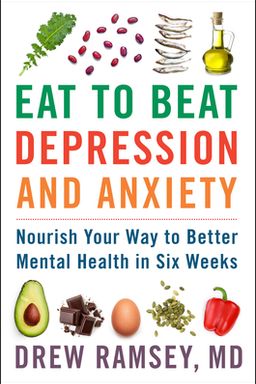
Eat to Beat Depression and Anxiety cover

Eat to Beat Depression and Anxiety

by Drew Ramsey

Eat to Beat Depression and Anxiety reveals the powerful link between nutrition and mental health. With science-backed strategies, it guides readers in making dietary changes to enhance mood, reduce anxiety, and foster a healthy mind. Discover how easy it is to nourish your mental health with delicious, nutrient-rich foods tailored to your lifestyle.

Food as Medicine for the Mind

Have you ever noticed how much your mood changes after a meal? Maybe that sugar crash after lunch makes you irritable, or a dinner rich in vegetables leaves you calm and clear-headed. In Eat to Beat Depression and Anxiety, psychiatrist and farmer Dr. Drew Ramsey argues that those feelings aren’t coincidence. He contends that the foods you eat can directly influence the chemistry, structure, and growth of your brain — and therefore your mental health.

Ramsey’s central claim is both revolutionary and refreshingly simple: food is medicine for the brain. By shifting what’s on your plate, you can reduce inflammation, enhance neurotransmitter production, and even grow new brain cells. The book blends science, clinical stories, and farm-to-table sensibility to help you transform meals into a form of self-care that strengthens both mind and mood.

The Rise of Nutritional Psychiatry

In the last decade, a new discipline called Nutritional Psychiatry has turned traditional therapy on its head. Psychiatry once focused almost exclusively on talk therapy and medications. But as Ramsey points out, evidence now shows that nutrients—like omega‑3 fats, B vitamins, and zinc—can play roles as powerful as antidepressants in repairing mood-regulating circuits. Research pioneers such as Felice Jacka and Michael Berk have proven through clinical trials that improving your diet can significantly reduce depressive symptoms. Ramsey sees this as a cultural tipping point: the brain must be nourished like any other organ, and mental wellness begins at the end of your fork.

Why Food Matters for Mental Health

Ramsey connects three major biological systems—neuroplasticity, inflammation, and the microbiome—to explain why what you eat changes how you feel. Nutrients influence the creation of neurotransmitters like serotonin and dopamine, which dictate mood and motivation. Anti‑inflammatory foods calm the immune response that contributes to anxiety and fatigue. And your gut bacteria, now known as the “second brain,” send chemical signals that affect emotion and cognition. When you regularly feed your body processed foods, you foster inflammation and starve beneficial microbes. When you trade chips for beans, greens, and salmon, your gut flora thrive—and so do you.

From Patients to Proof

Ramsey brings these principles to life through the stories of patients like Pete, the 20‑something who broke free from chronic depression once his diet swapped soda and takeout for seafood and greens, and Susan, the anxious multitasking mother who rediscovered calm by adding olive oil, eggs, and leafy salads to her routine. Their experiences mirror findings from global studies: diets patterned after Mediterranean or whole‑food principles—rich in vegetables, fish, legumes, and healthy fats—can cut depression risk by nearly half. The bottom line: therapy and medication help many, but they work even better when you also feed your brain what it truly needs.

A Map for Eating Better—and Thinking Better

The book guides you from science to application. In Part I, Ramsey introduces the “Antidepressant Food Scale,” identifying twelve core nutrients for brain health—from iron to vitamin C—and showing which foods supply them. Later chapters walk you through the biology of growing new neurons, balancing inflammation, and cultivating gut health. Part II turns ideas into action with his six‑week plan: each week you focus on a category—leafy greens, rainbow fruits and vegetables, seafood, nuts and seeds, fermented foods, and social connections with your local food sources.

Why This Matters Now

At a time when depression and anxiety rates are soaring—especially among young people—Ramsey’s message offers hope and empowerment. Whereas traditional psychiatry often begins with prescriptions, this approach starts with your pantry. If your brain consumes 20% of the calories you eat, he argues, then every meal is an opportunity to build emotional resilience. Through compassionate explanations, vivid patient narratives, and recipes like kale pesto and miso soup, he demonstrates that treating your mental health begins with feeding your whole self. Better food literally builds a better brain—and a calmer, more joyful mind.


The Twelve Nutrients of Mental Resilience

Ramsey and his colleague Dr. Laura LaChance developed the Antidepressant Food Scale (AFS) to cut through fad diets and show exactly which nutrients have proven links to better mood and cognition. They identified a dozen vital compounds often missing from modern diets. These act as the brain’s construction materials—fueling neurotransmitters, protecting neurons, and repairing brain tissue.

The Brain’s Building Materials

Your brain is only about three pounds, yet it devours one‑fifth of the calories you eat. Without raw materials like iron, folate, zinc, and vitamin B12, it can’t manufacture serotonin or maintain myelin sheaths that insulate neurons. A deficiency in even one of these nutrients can lead to fatigue, fog, and emotional volatility. For example, low folate, common in people who skip greens, raises homocysteine levels—a marker of inflammation connected to both heart disease and depression.

Inflammation Fighters and Brain Fuel

Long‑chain omega‑3 fatty acids (EPA and DHA) are superstars of brain repair. Found in wild salmon, anchovies, and mussels, they reduce inflammatory cytokines and promote neuroplasticity. Magnesium, abundant in nuts and spinach, regulates mood by calming overstimulated neurons. Potassium supports every electrical signal between brain cells, while selenium and vitamin C act as antioxidants shielding cells from damage. Ramsey calls food “the original antidepressant prescription.” Instead of chasing a trending superfood, he encourages eating across diverse food categories so these nutrients travel together naturally.

Practical Examples

Imagine adding oysters to your diet to boost zinc and B12. Combine them with citrus for extra vitamin C, which helps absorb more iron. Or start mornings with eggs—rich in choline and B vitamins that support peaceful focus. Beans and lentils provide thiamine and folate, while leafy greens and pumpkins seeds offer magnesium and fiber. When patients like Pete replaced processed snacks with nuts or swapped takeout burgers for fish tacos, their moods improved strikingly within weeks.

“We all have the power to decide what our brains are made of.” — Drew Ramsey

Ramsey’s message demystifies nutrition science: depression is not simply a chemical imbalance but a nutritional one. When you restore balance through these twelve key nutrients, you give your brain the tools to produce positive emotions with greater stability and reduce anxiety’s constant buzz.


Growing a Bigger, Calmer Brain

One of Ramsey’s most fascinating arguments is that your brain can grow throughout life. Forget the myth that it stops developing in adulthood. Thanks to the process of neuroplasticity, neurons constantly form new connections. The question is whether you’re giving those neurons what they need to thrive—or slowly starving them.

From Stuck to Growth Mode

Ramsey revisits Pete, his once‑depressed patient who described life as feeling “stuck.” Brain scans tell a similar story for many people with depression: their hippocampus—the hub for memory and emotion—shrinks by up to 20%. Nutrient‑rich diets, particularly those loaded with omega‑3s, olive oil, and greens, have been shown to increase hippocampal volume. In other words, when you feed your brain well, it literally expands its capacity for joy, learning, and resilience.

Meet BDNF, the Miracle‑Gro of the Mind

Key to this growth is a protein called brain‑derived neurotrophic factor (BDNF). Ramsey calls it “fertilizer for neurons.” People with low BDNF levels are more prone to depression and anxiety. But experiments show that eating nuts, seafood, and berries—foods high in omega‑3s, zinc, and anthocyanins—can raise BDNF and spark neurogenesis (the birth of new brain cells). The Spanish PREDIMED‑NAVARRA trial proved that those who followed a Mediterranean diet enriched with nuts produced significantly higher BDNF levels than those on a low‑fat diet—and their depressive symptoms dropped dramatically.

Inflammation: The Hidden Saboteur

Ramsey then connects new research on chronic inflammation. Depression and prolonged stress flood the brain with inflammatory molecules like interleukin‑6 and CRP, slowing neural communication. In evolutionary terms, this response once protected humans from infection—but today it leaves us mentally exhausted and joyless. Anti‑inflammatory foods, from omega‑3 fish to turmeric and leafy greens, restore balance by quieting that immune overreaction. Even common medications like Prozac, Ramsey notes, reduce inflammation as part of their antidepressant effect—a clue to how biologically linked mood and inflammation really are.

The most empowering takeaway: you are not stuck. Your genes may load the gun, but your lifestyle pulls the trigger. By nourishing your body with anti‑inflammatory, BDNF‑boosting foods, you can flip your brain from “survive mode” into “grow mode,” building greater resilience against both depression and anxiety.


The Gut–Brain Connection

If the previous chapters explore the brain, this one travels south—to your gut. Ramsey unveils the groundbreaking science of the microbiome, the trillions of bacteria that live in your digestive tract and act as a control center for immunity, hormones, and even emotion. These microbes communicate constantly with the brain through the gut–brain axis, creating what scientists call your “second brain.”

From Gut Feelings to Mental States

Patients like Susan, plagued by both anxiety and irritable bowel syndrome, vividly illustrate this link. When she consumed more fermented foods and plant fiber, her GI symptoms and anxiety eased simultaneously. Research backs this up: germ‑free animals, raised without gut bacteria, show exaggerated stress reactions and lower BDNF—it’s as if their emotional regulators never matured. Only when scientists reintroduced Bifidobacterium infantis did the animals regain calm behavior. Human studies echo these results: people with more diverse gut bacteria experience fewer depressive episodes and respond faster to treatment.

How Good Bugs Help You Think

Beneficial microbes do more than digest food. They help produce neurotransmitters like serotonin and dopamine, regulate the stress hormone cortisol, and signal through the vagus nerve—the nerve that connects your gut to your brainstem. When the vagus is nourished by healthy microbes, you feel settled and centered; when it’s overrun by inflammation and processed food, anxiety runs wild. This is why fermented foods like kefir, yogurt, sauerkraut, and kimchi can act like natural antidepressants—they repopulate your gut with the species your brain loves most.

Applying the Science

Ramsey encourages simple upgrades: add a dollop of kefir to your morning smoothie, mix miso paste into soups, or swap chips for crunchy vegetables dipped in yogurt. He cautions against taking random probiotic pills since ‘one size fits all’ doesn’t apply to microbiomes—diet is still the safest way to nurture your good bugs. The results are tangible. After just a few weeks on a “psychobiotic” diet rich in fiber and fermented foods, even healthy volunteers showed reduced stress levels and greater emotional balance.

When your gut thrives, your mood follows. Ramsey’s insight redefines comfort food: true comfort begins with foods that comfort your microbes—because they, in turn, comfort you.


Eating Beyond Superfoods: The Food Categories

Instead of chasing trendy superfoods, Ramsey organizes brain‑healthy eating into practical food categories. This framework helps you mix and match according to taste, values, or dietary restrictions while still hitting the nutrient targets your brain demands. His categories—leafy greens, rainbow fruits and vegetables, seafood, nuts/beans/seeds, meat, eggs/dairy, fermented foods, and dark chocolate—make meal planning joyful rather than rigid.

Balance and Joy Over Perfection

Ramsey confesses his journey from “kale evangelist” to “reformed kale evangelist.” After years preaching kale as the cure‑all, he realized people won’t eat what they dislike. A personalized diet must honor pleasure and culture. Love arugula more than kale? Fine. Prefer beans to beef? That works too. The point is variety within categories that deliver B vitamins, minerals, and fiber. He highlights flexible “power players” for each: spinach and seaweed for greens; peppers and avocados for rainbows; wild salmon and mussels for seafood; pumpkin seeds and red beans for legumes; and fermented dairy for good bugs.

Examples That Stick

When Pete learned to order fish tacos instead of beef burritos, or when Susan began eating eggs and leafy greens for breakfast, they unknowingly covered multiple categories in one meal. Ramsey’s recipes—like his Brainbow Kimchi Fried Rice or All Kale Caesar—illustrate how accessible this can be. He reframes eating as self‑discovery: find joy in experimentation, swap ingredients according to preference, and reward curiosity rather than discipline. (Like Michael Pollan’s famous guideline—“Eat food. Not too much. Mostly plants.”—Ramsey’s version could be: “Eat diversity. Mostly nutrient‑dense. Always with joy.”)

By viewing food through this categorical lens, you’re freed from dietary dogma. What matters most isn’t following the perfect diet, but building meals that keep your brain growing, your gut happy, and your taste buds satisfied.


Overcoming Modern Eating Challenges

Changing your diet isn’t easy in a culture of fast food and information overload. Ramsey acknowledges the psychological and practical barriers to eating well—conflicting advice, cost concerns, lack of time, and emotional relationships with food. His approach meets you where you are, replacing guilt with curiosity.

From Confusion to Clarity

Modern “diet culture,” he writes, constantly tells you that you’re eating wrong. Keto, vegan, paleo, and fasting fads often contradict each other, leading to paralysis. Ramsey reframes the question: instead of asking “Is this food good or bad?” ask “Does this food serve my brain?” That mindset turns mealtime into empowerment rather than punishment. Supplements aren’t shortcuts, he warns. Nutrients work synergistically in whole foods, and joy—the sensory pleasure of eating—is itself therapeutic for the anxious mind.

Realistic Solutions

He addresses common anxieties head‑on: Think fish is too expensive? Smaller species and canned salmon provide the same omega‑3s for less. On a vegetarian diet? Seaweed and eggs can supply B12 and choline. Sensitive to gluten or dairy? Substitute amaranth, quinoa, or fermented lactose‑free yogurt. Even sugar cravings can be softened with slow‑burning carbs like oats or sweet potatoes. Ramsey emphasizes progress, not perfection: each small swap moves you toward improved mental resilience.

Healthy eating isn’t about restriction—it’s about connection: to food, to joy, and to yourself.

Ultimately, Ramsey dismantles the myth that eating for mental health is complicated or costly. In fact, as studies like the SMILES trial showed, people who moved to brain‑healthy diets often spent less money weekly. His advice is both nourishing and liberating: start where you are, adjust what you can, and remember that every better bite counts.


Healing Through Self‑Understanding

Before diving into recipes, Ramsey invites readers to look inward. In his Brain Food Clinic, he guides patients through introspection—examining their relationship with food, motivation, and habits. He believes sustainable change begins not in the kitchen but in self‑awareness.

The Food Assessment

You’re encouraged to complete a simple food journal for a week, noting what you eat, when, and how you feel afterward. Patterns quickly emerge: the 3 p.m. sugar crash, the midnight cravings, the forgotten breakfasts. This observation builds insight without judgment. As Ramsey reminds his clients, “Progress, not perfection.” Once you recognize emotional triggers or convenience traps, small, specific (SMART) goals can replace vague resolutions. For example: “Add one cup of greens to breakfast three times a week.” Achievable wins restore confidence—an antidote to the helplessness of depression.

Motivation and Compassion

Ramsey distinguishes between extrinsic motivation (eating to please others) and intrinsic motivation (eating because it aligns with your values and vitality). Long‑term success depends on the latter. Compassion, too, is crucial. Slip‑ups aren’t failures; they’re data points. Just as a scientist refines experiments, you revise meals until your mind and body feel better aligned. (This echoes the mindfulness principles in Jon Kabat‑Zinn’s work on stress reduction—awareness without judgment fosters sustainable change.)

Food as Identity and Connection

Ultimately, Ramsey sees eating as storytelling—each meal reflects your upbringing, beliefs, and emotional needs. By understanding that narrative, you can rewrite it toward nourishment. The six‑week plan that follows is less a diet than a dialogue between your body and your choices. Healing, he concludes, comes when you reclaim food not as an enemy or cure‑all, but as a partner in growth.


Building a Brain‑Healing Kitchen

Armed with science and self‑understanding, Ramsey turns to logistics: transforming your kitchen into a supportive environment. Just as an athlete organizes equipment, eaters need spaces that make healthy choices easy. The idea is practical minimalism—stock basics that simplify, not overwhelm.

Essential Tools

The starter kit is modest: a chef’s knife, saucepan, sauté pan, and colander. Over time, add tools that encourage cooking—perhaps a blender for smoothies or a sheet pan for batch meals. Ramsey democratizes cooking by removing elitism: nourishment doesn’t require fancy gadgets, just presence. His farmer‑doctor perspective values utility over perfection; even an Instant Pot can become a therapy device when it leads to slow‑cooked meals you feel proud of.

Stocking the Brain Pantry

He lists affordable staples: brown rice, quinoa, lentils, oats, canned beans, spices like turmeric and cumin, and cooking fats such as olive oil and grass‑fed butter. Frozen berries and greens ensure year‑round access to phytonutrients. Planning ahead with batch‑cooked soups or grain salads reduces decision fatigue—the enemy of consistency. By keeping nourishing choices visible and treats out of sight, you design an environment that supports mood‑lifting routines.

Cooking as Mindful Practice

For Ramsey, the kitchen is a mental health tool. Preparing food slows racing thoughts, engages the senses, and reinforces self‑efficacy. He encourages small shortcuts—store‑bought pesto, meal‑prep kits—if they help you stay consistent. What matters is the ritual, not perfection. The takeaway: cultivating a nourishing home space is as therapeutic as any prescription.


The Six‑Week Plan for a Happier Brain

All Ramsey’s science culminates in a hands‑on roadmap: the Six‑Week Eat to Beat Depression and Anxiety Plan. Each week you focus on one element of brain nutrition, layering habits until they form a lifestyle that endures.

1. Week 1 – Leafy Greens

Begin by adding two cups of greens daily—spinach, kale, arugula. Their folate and magnesium fuel cell growth and calm nerves. Ramsey’s green shakshuka recipe makes this delicious: eggs simmered atop wilted chard, olive oil, and spices.

2. Week 2 – Rainbow Fruits and Vegetables

Next, “build a rainbow.” Aim for five colors daily to capture phytochemical diversity—anthocyanins in blueberries, carotenoids in carrots, lycopene in tomatoes. His Brainbow Kimchi Fried Rice blends them into one vibrant bowl.

3. Week 3 – Seafood

Two to three servings weekly flood your body with omega‑3s and protein. Wild salmon burgers or shrimp ceviche prove that brain food can taste indulgent. For vegetarians, seaweed adds similar minerals.

4. Week 4 – Nuts, Beans, and Seeds

Snack smarter with almonds or pumpkin seeds; add lentil soup or bean hummus. Magnesium, fiber, and protein stabilize energy and microbial diversity.

5. Week 5 – Fermented Foods

Feed your gut directly—three to five weekly servings of kefir, miso, kimchi, or sauerkraut replant good bacteria and reinforce immunity. Ramsey’s Chocolate Peanut Butter Kefir Smoothie bridges indulgence and health.

6. Week 6 – Food Roots and Community

Finally, extend nourishment outward. Visit a farmers market, start a garden, or host a potluck. Loneliness fuels depression; shared meals counteract it. For Ramsey, cultivating community is the final nutrient of mental well‑being.

By the end of six weeks, you’ve not only changed your meals but reshaped your relationship with food—from survival to celebration. The plan’s genius lies in its simplicity: one category per week, endless possibilities for growth and joy.

Dig Deeper

Get personalized prompts to apply these lessons to your life and deepen your understanding.

Go Deeper

Get the Full Experience

Download Insight Books for AI-powered reflections, quizzes, and more.