
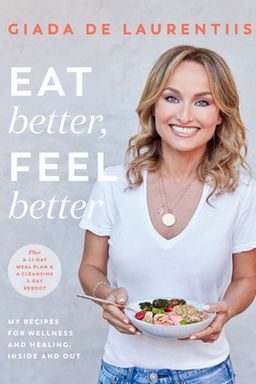
Eat Better, Feel Better cover

Eat Better, Feel Better

by Giada De Laurentiis

Eat Better, Feel Better by Giada De Laurentiis is a transformative guide to achieving optimal health through dietary changes. Learn to identify inflammatory foods, embrace gut-supporting meals, and integrate exercise and supplements. With practical recipes and meal plans, this book empowers readers to cultivate lasting wellness.

Healing Through Food: Reconnecting with Your Gut

When was the last time you truly listened to your body after a meal—the fullness, the fatigue, or maybe the bloat that quietly follows? In Eat Better, Feel Better, celebrity chef Giada De Laurentiis invites you to reexamine not only what you eat but how your food choices deeply affect your overall well-being. Drawing from her personal health crisis and recovery, Giada’s central argument is that food is both medicine and message: the way your gut responds reveals what your body truly needs.

De Laurentiis contends that modern living—fast food, constant stress, and processed diets—has left people disconnected from their body’s signals, particularly those of the digestive system. This disconnection manifests in chronic inflammation, fatigue, foggy thinking, and a host of ailments often mistaken as normal aging or stress. Her message is hopeful yet urgent: by learning to listen to your gut and nourish it with clean, whole, anti-inflammatory foods, you can reclaim vitality, clarity, and emotional equilibrium.

From Burnout to Balance

Giada grounds her philosophy in her own decade-long struggle with burnout, digestive distress, and immune dysfunction. Between juggling restaurant openings, television shows, motherhood, and endless travel, she found herself running on caffeine and sugar. This unsustainable lifestyle left her sick, chronically exhausted, and reliant on antibiotics for sinus infections. The turning point came when she began working with acupuncturist and herbalist Dr. Deborah Kim, who encouraged her to radically change the way she ate and to view the gut as the foundation of health.

After experimenting with clean, minimal diets and observing the immediate improvements in her digestion, energy, and mental focus, Giada began to integrate eastern and western approaches to healing. She discovered that food could restore balance and harmony, not just satiate hunger or evoke pleasure. The book chronicles this holistic healing journey, which became the blueprint for her signature program of gut renewal.

The Gut as Your “Second Brain”

Central to Giada’s approach is the belief, echoed by modern science, that our gut microbiome is a complex ecosystem that affects every system in the body—from immune resilience to mental health. When the gut is inflamed or imbalanced, your entire body suffers. But when you feed your microbiome properly—with fresh vegetables, clean proteins, and quality fats—you allow your body to thrive.

She compares gut health to maintaining an ecological balance: friendly bacteria need the right environment and food (prebiotics and probiotics) to flourish. Disrupt that balance with processed foods, sugar, and stress, and “the good guys” are forced to fight fires instead of strengthening your immunity. The result? Fatigue, bloating, and slow metabolism—symptoms so common that most people accept them as normal.

What Eating Better Really Means

Unlike fad diets that promise quick results, Giada’s plan emphasizes longevity and sustainability. You won’t count calories or weigh food; instead, you’ll explore whole, minimally processed ingredients through beautifully simple recipes rooted in her Italian heritage. She creates a balance of comfort and purity—pasta made lighter, desserts less sweet but deeply satisfying, and meals structured to soothe rather than stress the body.

Her program blends several pillars: reducing inflammatory foods (sugar, dairy, gluten, red meat, alcohol), embracing anti-inflammatory “superfoods,” practicing mindful meal planning, batch cooking for convenience, and occasionally performing a three-day “reboot cleanse” to reset digestion. Beyond food, she introduces complementary wellness practices—acupuncture, meditation, sleep hygiene, gentle detox rituals, and even Ayurveda—to show that health is multidimensional, not merely nutritional.

Why These Ideas Matter Now

As autoimmune and digestive disorders rise worldwide, Giada’s message lands at a critical cultural moment. Many people are beginning to notice, as she once did, that energy crashes, headaches, or chronic bloating are not random but signals from the gut asking for relief. In positioning food as medicine, Giada joins voices like Dr. Mark Hyman and Michael Pollan, advocating for food choices that prioritize wellness over convenience. Yet her lens is highly personal—rooted not in medical sermons but in the tactile joys of cooking and self-care.

“It’s not about deprivation—it’s about awareness. Once you know how good you can feel, you’ll never want to go back.”

Ultimately, Eat Better, Feel Better is both a cookbook and a consciousness shift. It asks you to consider: what if the path to clearer skin, better sleep, and calmer emotions isn’t in the next supplement or pharmacy aisle, but in the next meal you cook? The chapters ahead unfold her methodical but compassionate system—from understanding your triggers, to designing meal plans, to embracing healing rituals that nourish body and spirit alike.


Listening to the Gut’s Signals

Giada De Laurentiis begins with an honest confession: for much of her life, she ignored her body’s warnings. Persistent bloat, fatigue, and digestive issues became normal. Like many, she medicated symptoms instead of addressing root causes. This pattern forms the heart of her message: your body communicates constantly; learning to listen to your gut is the first step toward healing.

The Microbiome as Messenger

Your digestive system isn’t just a processing unit; it’s an intelligent network often called the “second brain.” When your gut microbiome—trillions of beneficial bacteria—thrives, it regulates digestion, mood, and immunity. But when inflamed by sugar, processed foods, or stress, it releases distress signals: acid reflux, cramps, skin irritation, or exhaustion. Giada realized that her immune issues and sinus infections stemmed not from bad luck, but from a gut ecosystem constantly in crisis.

Common Gut Saboteurs

She defines nine “Proceed with Caution” categories: sugar, dairy, red meat, refined grains, gluten, caffeine, alcohol, nightshades (like tomatoes and peppers), and processed foods. Each can trigger inflammation or disrupt gut flora. For example, dairy often causes bloating by introducing hard-to-digest proteins and hormones, while processed snacks load the gut with synthetic additives your body reads as toxins. These aren’t forbidden forever but treated as negotiables—foods to reintroduce strategically once healing begins.

This nuanced stance sets her apart from restrictive diets. Instead of dogmatic “never again” lists, Giada encourages observation: keep a food log, test reactions, and trust your sensations. Over time, your gut learns to whisper instead of scream—informing your choices rather than punishing them.

“Listen to your gut—it won’t steer you wrong.”

Healing Is Not Perfection

Giada rejects the “all or nothing” philosophy common in wellness culture. Occasional indulgence, she argues, is part of balance. A square of dark chocolate can satisfy you better than endless substitutes. The key lies in self-awareness, not punishment. This mirrors ideas from Dr. Andrew Weil and mindfulness traditions, where noticing without judgment creates lasting change. Healing, then, is not about rigid purity but sustainable harmony between enjoyment and self-respect.


The Food as Medicine Philosophy

At the center of Giada’s program lies a powerful truth: every bite is either healing or harming you. Influenced by her nutritionist and acupuncturist Dr. Kim, she came to see food as her daily prescription. This reframing encourages you to see your kitchen as a clinic—an inspiring, sensory clinic that smells like rosemary and lemon.

The Delectable Dozen

Giada introduces what she calls the “Delectable Dozen,” twelve cornerstone foods that nurture the gut and support the immune system. The list includes dark leafy greens, cruciferous vegetables, fish and seafood, eggs, whole grains, low-glycemic fruits, sweet potatoes, nuts and seeds, legumes, healthy fats, and warm spices. Each contributes unique nutrients—fiber for clean digestion, omega-3s for inflammation control, and antioxidants for cell repair.

In contrast to restrictive detoxes, Giada’s approach celebrates abundance. The more you eat of these foods, the healthier your body becomes. She encourages creativity: kale pesto replaces heavy cream sauces; brown rice and lentils take the place of white pasta; bitter greens like arugula cleanse the palate and the liver at once.

Superfoods, Simplified

Giada cautions against marketing hype. True superfoods aren’t exotic powders but everyday ingredients—lemons, olive oil, fennel, and capers from her Mediterranean roots. Each enhances flavor and digestion simultaneously. She calls olive oil her “liquid gold” for its anti-inflammatory power. Mushrooms, fennel, and herbs like basil and parsley offer prebiotic fiber that feeds the microbiome naturally. (Note: Her philosophy echoes the Mediterranean diet championed by physicians such as Dr. Walter Willett.)

This mindset shifts you from fear-driven restriction to mindful nourishment—one cup of greens, one drizzle of evoo at a time.


Meal Planning for Real Life

Change requires structure. Giada recognizes that most people fail to eat well simply because life gets hectic. Her solution: make eating clean automatic through planning and batch cooking. Chapter four and five lay out 21-day meal plans complete with shopping lists and clever rollover recipes—systems designed to sustain change long after the novelty fades.

The 21-Day Reset

A three-week cycle, Giada says, rewires habits. Her plan structures each day with light breakfast options (chia pudding, smoothies), colorful lunches (grain bowls or soups), and simple dinners built around fish, chicken, or legumes. The goal is not complexity but consistency—you feed your microbiome steady nourishment, giving the gut time to reset. Within ten days, many readers report clearer skin, improved energy, and reduced cravings.

Improv Meals and Batch Cooking

Giada’s genius lies in her “Improv Meals” concept—mix-and-match grain bowls, soups, and salads created from pre-prepared components. Over the weekend, you make big batches of grains, proteins, and sauces like her vegan Kale Pesto. During the week, you simply assemble in minutes. This approach removes friction, transforming healthy eating from a chore into a creative act.

“Think of these as plug-and-play meals that adapt to life, not the other way around.”

The 80/20 Philosophy

After the three weeks, Giada suggests adopting an 80/20 rhythm—eat clean most of the time and relax the rest. This prevents the pendulum swing of guilt and helps maintain pleasure in eating. It’s reminiscent of Michael Pollan’s simple rule: “Eat food. Not too much. Mostly plants.”


The Three-Day Reboot Cleanse

Every system occasionally needs a restart—your computer, your schedule, and yes, your digestion. Giada’s “Reboot” is a three-day mini-cleanse designed to clear inflammation and restore gut balance without deprivation. She compares it to pressing the reset button after too much indulgence.

Rules of the Reboot

For three days, you eliminate processed foods, dairy, red meat, sugar, alcohol, and caffeine (aside from one morning cup). Instead, you focus on greens, lean protein, low-glycemic fruit, and small servings of grains and legumes. Meals are simple: green smoothies, soups, poached fish, and lots of herbal tea. Portion control is secondary—quality comes first. The point is to give your digestive system a break from hard-to-process foods.

Giada notes that detox symptoms—mild headaches, fatigue, or sugar cravings—are signs of recalibration. Within days, you begin to feel light, clear-headed, and calm. It’s not about punishment but mindful reorientation, setting the stage for intuitive eating.

The Metaphor of Hunger

She also challenges the fear of hunger. Modern culture equates fullness with safety, but Giada reframes hunger as information: your body’s way of checking in. Learning to discern true hunger from habit or boredom builds trust between you and your body—a practice aligned with mindful eating philosophies like those of Jon Kabat-Zinn and Geneen Roth.

“How often are you really, truly hungry? Let your body tell you instead of the clock.”

Done a few times a year, the Reboot isn’t radical; it’s preventive maintenance for your inner ecosystem.


Beyond Food: Optimizing the Whole Self

Giada’s transformation didn’t end in the kitchen. In part two of her book, she widens the frame: nourishment is not only what you eat but how you live. From acupuncture to meditation, these lifestyle habits amplify the effects of clean eating and restore holistic balance.

Eastern Practices in a Western Life

Acupuncture, Ayurveda, and herbal supplements form Giada’s healing trifecta. Her weekly sessions with Dr. Kim include muscle testing and adaptogenic herbs like ashwagandha and rhodiola to manage stress—what she calls her “natural pharmacy.” These complement her food-based approach, acknowledging that emotional stress often triggers gut distress. (Note: This echoes functional medicine perspectives that blend body-mind care.)

Rituals of Detox and Renewal

Giada incorporates practical detox habits: filtered water, body scrubs, infrared saunas, even castor oil packs. Each ritual symbolizes self-respect—cleansing not out of guilt, but gratitude for what her body endures. She emphasizes sleep as non-negotiable healing time, suggesting magnesium and calcium supplements to enhance rest. Exercise, especially yoga, becomes her moving meditation, restoring both posture and presence.

Mindfulness as Maintenance

The final pillar is mindfulness. Even five minutes of breathing or gratitude before bed can reset stress hormones. Giada positions meditation not as a trend but a biological necessity—it lowers inflammation, balances hormones, and reprograms the nervous system for calm. Together, these practices complete her eat-better-feel-better formula: what you eat, how you sleep, and how you think intertwine to define how you feel.


The Joy of Delicious Wellness

Unlike many wellness programs that strip away pleasure, Giada’s food philosophy celebrates it. She reminds readers that eating well should engage all the senses—bright colors, enticing aromas, and satisfying crunches. Italy informs her entire outlook: balance, simplicity, and beauty as daily nourishment.

Healthy Food That Feels Good

From quinoa pancakes to lemon-roasted chicken, her recipes reimagine Italian comfort food without heaviness. She uses olive oil instead of butter, almond flour instead of white flour, and herbs instead of sugar-laden sauces. For breakfast, chia puddings and smoothies kickstart digestion; lunches become improv grain bowls layered with prepped veggies; dinner celebrates lean proteins paired with spicy, herbal sauces. Even desserts—her almond-cherry cookies or coconut budino—emphasize satisfaction over excess.

More importantly, cooking becomes meditation. Chopping herbs, tasting broths, and plating food consciously create moments of presence in a chaotic world. In this sense, Eat Better, Feel Better is a cookbook that feeds the soul as much as the stomach.

“The sensual and experiential part of cooking is part of the romanticism of Italian food—it’s how I heal.”

Through mindful indulgence, Giada closes the loop between health and joy: food doesn’t just keep you alive—it helps you love being alive.

Dig Deeper

Get personalized prompts to apply these lessons to your life and deepen your understanding.

Go Deeper

Get the Full Experience

Download Insight Books for AI-powered reflections, quizzes, and more.