
Idea 1
From Dude to Dad: The Journey into Fatherhood
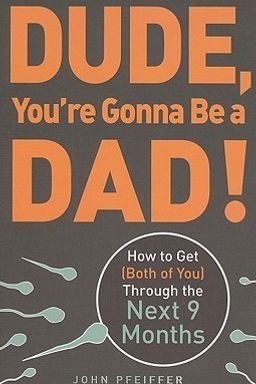
How do you transform from a carefree guy into a competent, confident father? In Dude, You’re Gonna Be a Dad!, John Pfeiffer argues that modern fatherhood begins long before the baby arrives—it starts the moment you hear the words “I’m pregnant.” Pfeiffer’s witty, down-to-earth guide redefines the role of expectant dads, showing that they can do more than just pace hospital floors and assemble cribs—they can become genuine partners during pregnancy and early parenthood.
The author contends that being a successful dad-to-be isn’t about having all the answers—it’s about stepping up, learning as you go, and being emotionally present for your partner. He dismantles the stereotype of fathers as clumsy spectators during pregnancy and instead presents them as engaged teammates who share both the triumphs and the messy realities of the nine-month journey (and beyond). His message is clear: fatherhood is not a spectator sport—it’s full contact, every day, from conception to the first diaper change and thereafter.
A New Role for the Modern Dad
Pfeiffer invites men to become collaborators in the adventure of pregnancy. He calls the pregnant partner the “BMP”—Baby Making Partner—an affectionate reminder that the process requires two active participants. Through humor and storytelling, he dismantles the cultural expectations that dads should know less, care less, or do less and replaces them with a picture of a father who listens, learns, and supports. He notes that when men stay disengaged, women quickly take over decision-making, leaving dads feeling sidelined. The fix? Get involved early and stay involved.
The book’s early chapters walk the expectant father through conception, doctor visits, hormonal hurricanes, and the delicate art of “helping without hovering.” Pfeiffer shares firsthand the awkwardness and joy of balancing empathy with resilience—one moment you’re holding her hair during morning sickness, the next you’re learning about breast pumps at Target. His point: fatherhood begins when you show up for her, long before you hold the baby.
Why This Book Matters
Pfeiffer’s irreverent yet empathetic tone fills a gap in the parenting shelves long dominated by maternal perspectives. The book embraces humor not as a way to downplay the gravity of fatherhood but as a survival tool. As he reminds readers, there are over 3,700 ways for a man to look stupid during pregnancy—but that’s part of the fun of learning. (In this way, Pfeiffer’s voice recalls the self-deprecating wit of Dave Barry or the conversational advice of The Expectant Father by Armin Brott.)
Each trimester becomes a chapter in the “Dad Evolution.” In the first trimester, men learn patience and communication; in the second, practical tasks like assembling furniture and navigating baby showers; in the third, managing fear, logistics, and expectations; and in the unspoken fourth “trimester,” the chaotic first months at home, fathers discover their own version of nurture. Pfeiffer’s guidance extends from birth planning to babyproofing, from prenatal massage to balancing paternity leave.
Beyond Pregnancy: The Emotional Arc
What sets Pfeiffer apart is his focus on emotional transformation. He argues that becoming a father is fundamentally a maturity test. You shift from self-oriented living toward stewardship. He quotes philosopher Kent Nerburn—“It’s much easier to become a father than to be one”—and challenges men to grow into the title. The early days may be marked by fear or self-doubt, but involvement, communication, and humor can turn anxiety into confidence.
For men who grew up without parenting role models, Pfeiffer’s book reads like a friendly older brother walking you through what to expect. He informs without intimidating and jokes without trivializing—reminding dads that preparation matters but adaptability matters more. No book, he admits, can prepare you for every detail, but learning how to talk, help, and bond will carry you through almost any challenge.
A Roadmap for Fatherhood
By the time the reader finishes, Pfeiffer has taken him from conception myths to hospital delivery to “Doughnuts for Dads.” His “crib notes” sections summarize key takeaways—perfect for readers who want quick reminders amid diaper duty. The result is not just a survival guide for nine months but a playbook for partnership, patience, and proactive fatherhood.
“Read, reflect, and evolve,” Pfeiffer writes. “It’s not just about you anymore.”
In this way, Dude, You’re Gonna Be a Dad! isn’t simply a humorous guide—it’s a call to grow up with grace. It suggests that the journey to fatherhood is as much about discovering yourself as it is about welcoming someone new into the world. The baby may be the one being born, but in many ways, Dad is too.