
Idea 1
How Pain, Pills, and Heroin Reshaped America
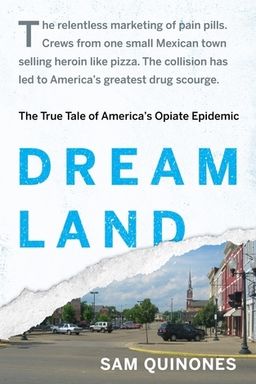
How did the drive to relieve pain turn into a nationwide crisis? In Dreamland, journalist Sam Quinones argues that the American opioid epidemic was not born overnight—it emerged from the intersection of medical compassion, aggressive marketing, and entrepreneurial drug trafficking. Quinones reveals how a quest to eradicate pain created a marketplace for addiction, linking doctors, corporations, and small-town dealers into a complex web that transformed U.S. communities.
The story begins with the biochemistry of morphine—a molecule so adept at stimulating opioid receptors that it overrides human restraint. Its power to soothe and enslave makes dependence not an exception but a biochemical certainty. Morphine derivatives such as oxycodone and heroin act as both medicine and trap, promising freedom from pain even as they build tolerance and withdrawal. Understanding this molecule’s mechanics is crucial to grasping why repeated exposure inevitably produces compulsive demand.
The Medical Turn Toward Pain
By the 1980s, a reform movement known as the Pain Revolution encouraged doctors to treat pain as a humanitarian priority. Inspired by the hospice work of Cicely Saunders and WHO’s pain ladder, physicians were urged to trust patients’ pain reports and prescribe opioids compassionately. But this ethos spread beyond terminal illness. In 1980, a brief letter in the New England Journal of Medicine by Dr. Hershel Jick claimed addiction was rare among hospitalized patients. Misread by thousands, it became the cornerstone of a belief that narcotics were safe for long-term outpatient use.
When specialists like Russell Portenoy repeated that message, they helped build a professional consensus that opened the door for mass prescribing. This shift matched perfectly with institutional incentives—the Joint Commission making pain the ‘fifth vital sign,’ patient satisfaction surveys punishing cautious physicians, and pharmaceutical companies sponsoring pain-education seminars.
Enter Purdue and OxyContin
In 1996, Purdue Pharma seized the moment with OxyContin, a high-dose, timed-release form of oxycodone marketed as safer and less addictive due to its gradual absorption. Reps told doctors that fewer peaks meant less euphoria and lower abuse potential, citing selectively interpreted data. The company deployed lavish campaigns: seminars, giveaways, coupons, and personal visits. For busy physicians, the pill seemed an innovation and a moral answer to under-treated pain. Within a few years, prescriptions exploded, especially in regions already struggling economically.
Addicts quickly discovered that crushing the pill released the entire dose. Whole networks emerged to divert prescriptions—seniors selling surplus pills, clinic operators taking cash for scripts, and patients traveling hundreds of miles to ‘pill mills.’ Quinones’s portrait of Portsmouth, Ohio, reveals how legal pain clinics morphed into the epicenter of illicit opiate commerce, fueling a new rural economy of addiction.
The Mexican Connection
Meanwhile, thousands of miles south in Nayarit, Mexico, enterprising families perfected the Xalisco delivery model—a decentralized, corporate-like system for selling black tar heroin door-to-door. Young men worked as drivers, carrying small balloons of tar stored in their mouths, while phone dispatchers coordinated deliveries. Each cell operated as a small franchise with its own manager, avoiding guns and violence to stay invisible. Police happened upon drivers with minuscule quantities, mistaking them for local dealers, never realizing they were part of an interstate retail chain. This model spread through Boise, Denver, and Portland—cities far from traditional heroin hubs—precisely where new pill addiction created fresh markets.
The pills made the customers; the Xalisco Boys supplied them when prescriptions ran out. Cheap, reliable heroin became the bridge from clinic dependency to street addiction. Quinones tracks this transition through parents like Paul and Ellen Schoonover, whose son Matt died after evolving from prescribed OxyContin to black tar heroin—a pattern repeated thousands of times.
From Epidemic to Response
As the death toll rose, two systems—law enforcement and public health—struggled to respond. Federal operations such as Tar Pit and Black Gold Rush exposed the reach of Xalisco networks but couldn’t eradicate them, while epidemiologists like Jaymie Mai and Ed Socie used data to reveal the correlation between prescriptions and overdose deaths. Their findings inspired guideline reforms and clinic regulations, forcing medicine to confront its role in the crisis. Communities followed: grassroots groups like SOLACE and Tyler’s Light turned grief into activism, drug courts embraced treatment, and towns sought to rebuild around recovery and economic renewal.
When you finish Quinones’s account, you realize the opioid epidemic is not one story but an ecosystem—connecting molecules, marketing, medicine, and migration. It’s about how compassion without evidence, commerce without ethics, and enforcement without understanding combined to create an addiction economy. The recovery that follows must be equally integrated: science, medicine, community, and moral accountability working together to rewrite the story that pain relief once promised.