
Idea 1
Designing Your Dream Year: Turning Passion into a Profitable Reality
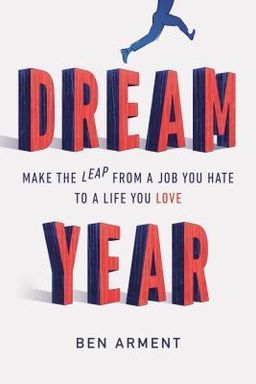
Have you ever caught yourself wondering what you were truly meant to do? In Dream Year, Ben Arment argues that each of us is born with a unique purpose and a dream that, if pursued with courage and structure, can transform both our own lives and the world around us. Yet most people spend their lives working to fulfill someone else’s vision. Arment contends that this mismatch—between our innate creative potential and the routines of employment—is what keeps us stuck, unfulfilled, and fearful. The solution, he says, lies in designing a year dedicated to bringing your dream to life through practical, step-by-step frameworks.
Arment’s core claim is that dreams don’t emerge out of luck or fleeting inspiration; they are built systematically through models—idea models, financial models, and execution systems. By merging passion with strategy, we can turn a personal calling into something sustainable, meaningful, and profitable. Dream Year doesn’t deal in lofty self-help quotes or empty motivation. Instead, it’s a blueprint for action and an invitation to think of your creative life like a start-up, with spreadsheets and storyboards guiding your art, passion, and purpose.
From Frustration to Vision
Arment begins with the idea that frustration is the birthplace of dreams. As he tells it, frustration is not an obstacle—it’s the signal that something broken in the world is calling for your contribution. A barista overwhelmed by corporate culture might create a new café concept; a teacher exhausted by bureaucracy might launch a learning platform. Frustration shows us what we care about deeply enough to change. This mindset reframes your dissatisfaction—whether with your job or a social issue—as creative fuel rather than despair.
Making Courage the Gatekeeper
According to Arment, the modern dreamer no longer needs permission from gatekeepers—no publisher, record label, or investment firm must validate you. Your only obstacle is courage. The author shares stories of creators who stopped waiting for approval: Kate Schmidgall self-published her magazine Bittersweet by turning it into a hybrid publication-shop that funded itself; other dreamers bootstrapped businesses or crowd-funded projects rather than begging for attention. Courage, Arment says, is the new capital.
Creating Systems, Not Daydreams
Arment rejects the myth of inspiration. Dreams, he insists, only become real through structure and discipline. You need systems for ideas, money, and time. Think of it as a trifecta of models: an idea model that makes your concept distinctive; a financial model that proves it can sustain itself; and an execution model—a plan that turns motivation into consistent action. This management mindset mirrors that of entrepreneurial authors like Seth Godin (Linchpin) and Michael Gerber (The E-Myth Revisited), who both argue that success belongs to those who systematize creativity.
Why This Matters Now
You’re living in what Arment calls the “maker era,” where traditional jobs disappear and creativity becomes currency. The future belongs to those who build something unique—whether that’s a movement, a product, or an experience. The stories in Dream Year—from Zipcar’s founding to Netflix’s reinvention to individuals like Mica May or John Finch—demonstrate that passion can indeed pay the bills when paired with insight and persistence.
This book matters because it dismantles both extremes of the dream debate: the romantic myth that passion alone suffices, and the cynical belief that dreams are naive. Between those illusions stands a disciplined, entrepreneurial path that treats dreaming as a profession. Arment wants you to replace wishful thinking with a working prototype of your life’s purpose. What’s more daring—and rewarding—than that?