
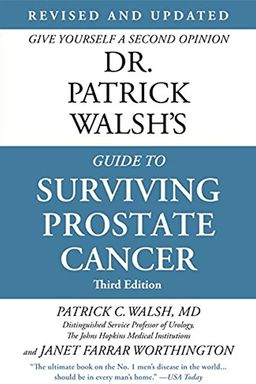
Dr Patrick Walsh''s Guide to Surviving Prostate Cancer cover

Dr Patrick Walsh''s Guide to Surviving Prostate Cancer

by Patrick C Walsh, MD and Janet Farrar Worthington

Dr. Patrick Walsh''s Guide to Surviving Prostate Cancer is an essential resource for understanding this prevalent disease. This guide provides scientific insights into causes, diagnosis, and treatment options, empowering men to make informed decisions and face the future with confidence.

Survival Is a Skill, Not a Miracle

What would you do if you found yourself stranded in a desert, fighting bitter cold in the Arctic, or lost deep in the Amazon rain forest? In The Ultimate Guide to Surviving in the Wild, Clive Gifford argues that survival is less about luck and more about knowledge, preparation, and mindset. He contends that nearly every wilderness scenario—from deserts to jungles, mountains to oceans—demands understanding basic principles of staying alive: securing water, food, shelter, safety, and rescue.

At its heart, Gifford’s book is a practical survival encyclopedia. It offers step-by-step guidance to tackle extreme environments, teaching you to think calmly and act smartly under pressure. From digging for desert water to building snow shelters in the polar wilderness, the book builds a mental framework for resilience, resourcefulness, and initiative.

Understanding Survival Psychology

Survival starts with the mind. Gifford repeatedly emphasizes that panic is your worst enemy—for instance, when isolated in the Sahara, quick decisions about shade and hydration save lives. Clear thinking, he notes, can transform terrifying moments into methodical problem-solving. The author includes stories of real survivors such as Antoine de Saint-Exupéry, who crashed in the Sahara in 1935 and managed to endure by salvaging food and licking dew from the plane until rescue—testaments to the human mind’s resourceful capacity under duress.

You’ll learn that survival psychology involves prioritizing tasks (water first, shelter next, signaling last) and adapting constantly to changing threats. In remote areas, mindful awareness—observing birds, tracks, or the sun’s direction—becomes your compass. (Note: This reflects a similar theme in Laurence Gonzales’s Deep Survival, where cognitive control separates survivors from casualties.)

The Environments That Test You

Each chapter plunges you into a distinct survival arena: the burning Sahara, icy polar wastelands, tangled Amazon jungles, rocky mountain ranges, ocean isolation, and desolate Australian outbacks. In each, the elements form both threat and ally. The desert teaches water discipline; the jungle urges protection against insects and disease; polar zones demand insulation, and the ocean cultivates patience and improvisation.

For example, in the Rockies, Gifford shows how altitude changes everything—you must layer clothes to prevent hypothermia, yet guard against sunburn even in frosty air. When stuck on the Pacific islands, a shell or mirror isn't junk—it’s a lifeline for signaling rescue. Every region forces you to think differently, transforming surroundings into tools rather than barriers.

Real Survivors, Real Lessons

Throughout the book, true stories anchor the advice. You meet Mauro Prosperi, who survived ten days alone in the Sahara by consuming bats and rehydrating food with urine; Yossi Ghinsburg, who endured weeks in the Amazon; Madeline Connelly, trapped in Montana’s wilderness with her dog; and Ernest Shackleton’s crew, who weathered Antarctic hell armed with grit and cooperation. These narratives personalize the strategies, turning theory into emotionally vivid reflections of endurance. Each survivor demonstrates adaptability—the ability to improvise with whatever nature provides.

Lessons That Matter Today

Gifford’s guide is more than a wilderness manual—it’s also an education in problem-solving and the psychology of resilience. In modern life, where crises may come in different forms—social, economic, emotional—the same mental skills apply: keep calm, assess your surroundings, spot resources, and signal for help. Whether you’re stranded outdoors or navigating uncertainty in daily life, his principles remind you that survival begins with observation, creativity, and courage.

Core Message

Surviving the wild isn’t superstition or fate—it’s a teachable set of instincts, crafted through knowledge of environment and control of fear. The author’s central insight: with skills, awareness, and the will to adapt, ordinary people can overcome extraordinary challenges.

By the end of The Ultimate Guide to Surviving in the Wild, you’ll see that the wilderness—and life itself—is unpredictable but not unbeatable. Gifford equips you not only to confront nature’s extremes but to cultivate the mental grit to thrive anywhere confinement or chaos looms.


Mastering Desert Survival

Few places on Earth test survival more brutally than the Sahara Desert. Gifford teaches that surviving here depends on understanding heat, hydration, and movement. The desert’s core lesson: your biggest enemy isn’t the lack of comfort—it’s the loss of water and coolness.

Prioritize Water, Not Distance

In heat surpassing 113°F, you can lose a quart of sweat an hour. Gifford insists you sip water regularly and resist the temptation to ration it—once dehydrated, you risk delirium. Seek water under north-facing slopes, wadis, and near dense green plants. Birds and bees offer clues—low-flying species almost always linger close to water.

He presents step-by-step digging techniques—dig early mornings for moisture; use cloth to absorb and wring it. If trapped for days, building a solar still can produce drinkable water by evaporating underground moisture—a tool of pure ingenuity.

Beat the Heat

Heat isn’t just uncomfortable—it kills. Dress light, loose, and light-colored; cover limbs entirely to minimize sun exposure and trap cool air between fabric and skin. Copy nature: the dorcas gazelle rests during the day and moves at night. Likewise, desert travelers should move early morning or dusk. Gifford adds cultural wisdom: the Tuareg people’s tagelmust turbans, which can be wound 20 feet long, protect the face and neck from heat and sandstorms. This fusion of practical and traditional knowledge gives the guidance cultural realism.

Food and Shelter

Food is secondary—but important for energy and morale. Gifford lists edible desert plants like acacia pods and dates from palm trees (each with 70 calories per fruit). He also teaches caution: the desert gourd’s fruit can trigger painful cramps. Creatures like ostriches may offer food—but beware, they can outrun humans at 37 mph.

Shelter is about shade. Use rocks, wreckage, or caves but avoid sealed areas that trap heat. When sandstorms hit, crouch with arms over your head, cover your face with wet cloth, and never move blindly. A patient stillness saves lives when the world turns into a wall of wind and dust.

Mauro Prosperi’s story proves that survival under desert extremes relies on adaptability. Ten days of wandering in wrong directions, surviving on bats and improvised hydration, show Gifford’s central desert rule: adapt creatively or perish.

(Note: This emphasis on calculated movement and caloric management echoes Ray Mears’s Essential Bushcraft, where desert survival also relies on reading terrain patterns and conserving sweat rather than water.)


Staying Alive in the Rockies

The Rocky Mountains teach survival through extremes—heat, cold, altitude, and isolation. Gifford guides you to balance shelter-building, food sourcing, and risk management. The Rockies combine every threat: sudden storms, wild predators, and erratic terrain.

Adapt to the Altitude

At 13,000 feet, you may experience sunburn and hypothermia in the same day. Gifford emphasizes layers: moisture-wicking base layers, insulating intermediates, and protective outers. Keep your head warm—half your body heat can escape from it. Hypothermia begins quietly; shivering leads to confusion and fatigue, so dry yourself quickly and insulate from the cold ground with branches and leaves.

His storytelling brings realism. Ruby Stein survived five days stuck in her car by sealing drafts with old clothing and melting snow in a cat food can. Even everyday items become survival tools when ingenuity kicks in.

Navigating the Heights

The Rockies’ unpredictable geography demands constant assessment. Gifford instructs: move diagonally up slopes, use branches as trekking poles, and focus your descent with bent knees. Loose rocks mean potential injuries, so careful footing prevents sprains. He teaches navigation using natural cues—the stars (Big Dipper pointing toward Polaris) and watch-based direction methods. These ancient techniques connect wilderness to astronomy, invoking a timeless relationship between humans and nature.

Animal Awareness

From mountain lions to bears, wild species dictate your decisions. Make yourself large and loud to deter predators; play dead only when attacked by grizzlies. Moose and bison demand distance. A fire repels some predators like striped hyenas in deserts or wolves in the Rockies. Gifford links animal strategy with behavioral survival psychology—the less fear you show, the less risk you face.

Madeline Connelly’s six-day story in Montana exemplifies resilience through intuition. She drank creek water, ate lilies, and read bear tracks to stay alive. These anecdotes don’t romanticize survival—they humanize it, revealing hardship’s psychological toll and the calm needed for decision-making. Gifford’s Rockies chapter merges pragmatic technique with emotional endurance, bridging external danger with internal strength.


Enduring the Amazon Rainforest

Dense, humid, and alive with predators, the Amazon rainforest demands constant caution. Gifford calls it a paradoxical environment—teeming with water but rife with disease and danger. Your survival hinges on protection, observation, and improvisation.

Protect Your Body

Everything bites in the jungle. Gloves, long sleeves, and bag-covered socks form your main defense against insects, leeches, and thorns. The author practically walks you through how to deter fire ants with cold cloths or remove ticks by gripping their heads, avoiding botfly larvae infection. These methods convert knowledge into literal safety barriers. Mold, stench, and cuts can turn catastrophic if ignored.

Finding Food and Shelter

Harnessing the rainforest’s fertility is vital. Use palm fronds for bedding, build raised platforms off the crawling floor, and avoid stagnant water. Gifford celebrates plants like moriche palms (providing fruit and sap) and açaí berries—sustainable energy sources. His advice blends ecological awareness with practical action. Hammock-making becomes an elegant example of wilderness engineering, tying lessons of knots to survival comfort.

Respect and Recognize Wildlife

Poison dart frogs, giant centipedes, and anacondas embody beauty and peril. Gifford insists knowledge saves: bright colors signal toxins; swamp edges hide snakes. The rainforest survival stories stand out—Yossi Ghinsburg’s three-week isolation included insect infestations, quicksand escapes, and confronting a jaguar with fire. His example underscores that courage plus rational use of limited tools—fire, clothing, signaling—can transform despair into hope.

Rainforest survival teaches adaptability. You’re not conquering the jungle; you’re learning to coexist with it. Every decision—step cautiously, eat sparingly, sleep suspended—reflects symbiosis, not dominance.

(Note: This eco-survival theme resonates with John Wiseman's SAS Survival Handbook, which also highlights respect for ecosystems over exploitation.)


Fighting the Freeze: Polar Survival

Polar regions test endurance like nowhere else. The cold isn’t just discomfort—it’s a physiological enemy. Gifford frames survival in the Arctic and Antarctic around heat preservation, hydration, and visibility management. The main rule: cold kills slowly, but methodically.

Defend Against the Cold

Layer clothing to trap insulating air. Cover your face, tuck clothes to prevent heat escape, and wear mittens over gloves. Frostbite and hypothermia stalk inattentive explorers. Simple tools like homemade balaclavas (cut from sweaters) or frozen boots dried by warm stones reflect Gifford’s emphasis on low-tech ingenuity. As the story of Peter Freuchen proves—escaping from snow using frozen waste—you improvise with what exists, not what you wish you had.

Shelter and Hydration

Constructing shelters—igloos, snow caves, or quinzees—demands both patience and physics awareness. Snow insulates when packed correctly. Water requires melting ice carefully with fire or sunlight; eating snow directly lowers body temperature dangerously. Even deception of safety must be scrutinized—snowblindness from glare can disable vision. Avoid glare with improvised goggles—birch bark with slits or duct tape masks. These inventions symbolize survival creativity.

Wild Winds and Wildlife

Blizzards intensify wind chill; turn your back, bow down, and wait. Wind transforms 5°F into lethal -31°F exposure. Polar bears and leopard seals add risk; never underestimate them. Use flares or torches to deter attacks. Observation saves—musk oxen demonstrate layering principles, yielding lessons for clothing design. Shackleton’s Endurance expedition stands as the enduring lesson of leadership and morale—turning teamwork into the ultimate shelter against despair.

Polar survival is a battle of physics and psychology—stay insulated inside and out. Heat is energy; loss of hope is its emotional counterpart. Preserve both, and you preserve life.


Marooned: Island and Ocean Survival

When stranded at sea or on a deserted island, your priorities change—find water, signal for rescue, and protect against sun and salt. Gifford weaves together tales of sailors, shipwrecks, and stranded survivors to show that isolation doesn’t mean helplessness.

Assessing the Shore

The beach is both barrier and bounty. Search high tide lines for driftwood, coconuts, and plastic bottles. Avoid coral and stonefish—painful encounters can cripple progress. Salvage metal reflectors for signaling; containers can store precious rainwater. Learn from Alexander Selkirk, the real-life basis for Robinson Crusoe—he turned isolation into triumph by moving inland, building huts, and hunting goats.

Finding Water and Food

You may be surrounded by ocean but dying of thirst. Collect rainwater with leaves or dig near shore for fresh water beneath salt layers. Use solar stills to pull moisture from seawater. Meal options include seafood from rock pools and tropical fruits like breadfruit or plantain. Smoking and salting extend shelf life. Fires become purifiers—heat transforms raw environment into survival sustenance.

At Sea

Once adrift, knowledge equals endurance. Build rafts, lash bamboo with vines, and stay beneath makeshift covers to fend off sun and spray. Gifford teaches water collection using plastic condensation traps. His recounting of Poon Lim’s 133-day Atlantic survival—drinking fish blood and capturing seabirds—illustrates ultimate perseverance. Patience, signaling, and hope form the sea’s triad of survival.

Ocean survival reminds you of your fragility and resilience—the same horizon that seems eternal may one day carry the ship that saves you.


Desolation in the Australian Outback

The outback transforms everyday landscapes into pure survival tests. Gifford integrates native wisdom with modern tactics—using salvage operations, bush tucker, and ingenuity. Here survival equals adaptation across heat, isolation, and wildlife risk.

Salvage Creativity

Your broken vehicle isn’t trash—it’s treasure. Mirrors signal rescuers, hubcaps serve as pots, seat covers as tents. The author shows ingenious recycling where engineering meets necessity. Mark your vehicle with SOS and directions—rescue teams rely on clues.

Understanding Bush Tucker

Aboriginal heritage provides a foundation of survival foods and caution. Testing unfamiliar plants via incremental sampling protects health. Seek macadamia nuts, witchetty grubs, and lilly-pilly fruits—rich in protein and fiber. Avoid the almond-scented mushrooms—many are toxic. Nature offers food if you treat it with respect and vigilance.

Fire and Rescue

Fire defines life in the outback—cooking, protecting, signaling, and even igniting with water bottles or lenses. But fire also threatens: bushfires move with the wind, so Gifford provides action plans—seek water, shallow plains, and never sprint uphill. Stories of survivors like Veronique Biunkens demonstrate raw persistence, using mud for sunblock and moss for insulation—a perfect portrait of resourcefulness and calm.

In the outback, survival becomes art: each broken part, burned branch, and insect transforms into opportunity.

Dig Deeper

Get personalized prompts to apply these lessons to your life and deepen your understanding.

Go Deeper

Get the Full Experience

Download Insight Books for AI-powered reflections, quizzes, and more.