
Idea 1
Art, Trauma, and Moral Action
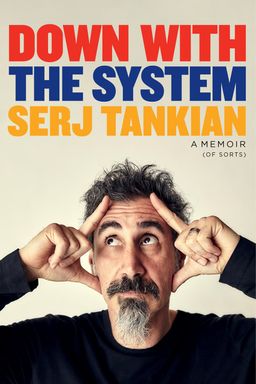
How do you turn inherited wounds into public good without losing your soul or your voice? In this memoir, Serj Tankian argues that art becomes most potent when it metabolizes trauma into moral action. He contends that the Armenian Genocide, and the denial that followed, function as both origin story and ongoing emergency—a force that shapes his identity, fuels System Of A Down’s songwriting, and drives decades of activism.
You watch a clear arc: ancestral memory becomes a compass; migration and family precarity sharpen skepticism about institutions; music arrives as refuge and then as vocation; production and imagery turn into ethical choices; touring tests conviction; public speech collides with censorship; organizing builds infrastructure; and, finally, business conflicts expose the fragility of creative trust. The book is less celebrity tell-all than field guide for using culture to contest erasure and mobilize communities (compare Ani DiFranco’s DIY politics or Tom Morello’s Nightwatchman project).
Ancestral wound as creative engine
The story begins long before the band. Serj’s grandfather Stepan, born in Efkere in 1909, survives deportations, starvation, and the death march that claims his brother David. Stepan later quits smoking by sheer will and, in his final days, starves himself rather than die needlessly medicated. For Serj, Stepan isn’t a vignette; he’s structure: proof that denial perpetuates violence and that remembrance obligates action. The promise to keep the story alive becomes Serj’s covenant.
Migration, precarity, and a skeptical patriotism
Born in Beirut and raised in Los Angeles after fleeing the Lebanese Civil War, Serj grows up in a household where survival is a skill. His father climbs in the shoe business, then a crushing lawsuit and a judge’s punitive temperament shatter the family’s security. Kitchen-table legal strategies and years of translation work teach Serj two truths: institutions often fail the vulnerable, and family duty can reroute dreams. That tension—safety versus meaning—haunts his later decision to sell a successful software company (Ultimate Solutions I) and risk everything on music.
Music as calling, not career
A cheap Casio becomes meditation in the middle of legal chaos; a Roland D-50 unlocks composition; bands like Forever Young and Soil give him a stage. Meeting Daron Malakian catalyzes System’s core chemistry—Daron’s riff architecture and Serj’s lyrics snap together into a volatile, theatrical language. The Laurel Canyon moment—slamming the brakes and shouting, “I want to fucking do music!”—marks a point of no return, blessed by his father’s reluctant yes.
Production, imagery, and political lineage
Rick Rubin’s curatorial minimalism (Miller Drive basement sessions, a recording tent, blunt notes like “enunciate”) and Sylvia Massy’s studio audacity (hanging Serj upside-down to capture a take, experimenting with the Akai S1000) help translate feral energy into recordable form. Choosing John Heartfield’s “The Hand” for the debut cover aligns the band with anti-fascist art traditions rather than Gene Simmons–style merch opportunism. These choices say: sound and image are ethical theaters.
Touring as crucible and test of ethics
Opening for Slayer teaches survival amid hostility (Nazi salutes in Poland, coins and bagels thrown). RV breakdowns, stolen gear, and sleep debt crush illusions of glamour. Yet touring becomes a moral arena too: the band refuses Istanbul over genocide denial, proving that where you play is a political statement.
Free speech in wartime and media gatekeeping
After 9/11, Serj publishes “Understanding Oil.” The backlash—Howard Stern pile-ons, death threats, label pressure—meets a simultaneous private-industry chill: Clear Channel’s memo of 165 “lyrically questionable” songs (including “Chop Suey!” and Lennon’s “Imagine”). The lesson lands: the First Amendment doesn’t shield you from corporate programming decisions, and fear constricts the Overton window faster than reason can expand it (see Chomsky’s Manufacturing Consent for the template).
Spiritual practice as fuel, not escape
Panic attacks push Serj to transcendental meditation with Nancy de Herrera. TM steadies him, opens lyrical portals (“Life is a waterfall” in “Aerials”), and reframes activism from rage to compassion. At Cello Studios he meditates, wanders, and lands on “Father, why have you forsaken me?”—an accident guided by readiness. Inner work becomes a discipline that protects outer voice.
Organizing beyond the stage—and its limits
Axis of Justice with Tom Morello turns concerts into civic on-ramps—Amnesty tables at shows, benefits with Chris Cornell and Eddie Vedder, Food Not Bombs actions defying Santa Monica’s anti-aid ordinance. Films like Screamers leverage the band’s platform to pierce denial, though power (Ahmet Ertegun’s legacy, Lyor Cohen’s veto) can still bottleneck distribution. The 2015 Yerevan concert for the centennial galvanizes a nation; the 2020 Artsakh war proves art can mobilize aid ($700,000 raised) but can’t alone stop drones and geopolitics backed by Turkey.
Money, power, and creative trust
Inside the band, uneven publishing splits and control over song pipelines strain relationships. Serj confuses nonattachment with passivity, lets patterns calcify, then watches legal threats over scheduling (“Sounds good, let’s talk later”) reopen family-trauma wounds around litigation. He learns the hard way: clear agreements aren’t unspiritual; they’re protective for art and friendship.
Throughline
If you want to understand Serj, you need to understand Efkere—and then follow how a vow to remember becomes a practice of making, speaking, organizing, and, when necessary, refusing. The memoir invites you to build a life where art and conscience are not departments but the same bloodstream.