
Idea 1
From Survival to Agency
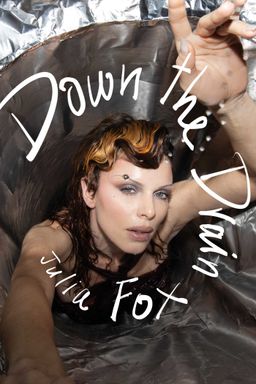
How do you turn chaos into a life you can claim? In Down the Drain, Julia Fox argues—through lived scenes more than thesis—that when you grow up inside instability, performance becomes your first survival tool, and later, art and motherhood become the scaffolds that help you move from mere survival to chosen agency. She contends that the same skills you learn to dodge danger—reading rooms, changing costumes, finessing power—can either trap you in risk (sex, drugs, predators, carceral systems) or evolve into a repertoire for reinvention (fashion, film, authorship, parenting). To feel the journey, you have to see how instability wires your body and brain, then follow how identity, sex, money, and grief braid together until a new center of gravity—Valentino—changes the map.
Across the book, you’ll travel through seven linked terrains: childhood dislocation and parental betrayal; chosen family and the rehearsal of alternate selves; sexualization and predation; drugs and the revolving doors of institutions; the economies of sex work and money; toxic love and control; creativity, public exposure, grief, and finally, motherhood as a decisive turn toward agency. The story reads like a city: blocks of danger, alleys of relief, and, sometimes, unexpected doors. (If you know memoirs by Mary Karr or Jeannette Walls, you’ll spot shared bones—poverty, betrayal—but Fox’s voice leans streetwise, image-savvy, and media-literate.)
Instability as your operating system
Early chapters ground you in motion and scarcity: a Chinatown squat with twenty people and a puddle of blood, winters on a twenty-foot sailboat at the 79th Street Marina with no heat, and nights on renovation sites while owners vacation. You learn routines that shout danger and precaution—Grandpa keeps windows cracked to blunt blast pressure; your father hoards books and debris as if objects could build a moat. The body learns to travel light and stay alert. Safety is a ritual, not a place: zabaglione in Grandpa’s kitchen, Lucio Battisti on repeat, a whispered prayer. That’s how an operating system of survival is coded.
Performance as both shield and ladder
When the ground slips, you borrow costumes, curate personas, and steal to stitch a self. Sharon’s furs become props, MySpace Top 8s are social chess, and a Gucci belt (real or ripped off) opens doors that a school ID won’t. You improvise in digital and physical space: AOL screen names, mirror dress-ups, fake IDs, and, later, counterfeit cash ironed smooth with kitchen tools. Performance pays before art does.
Sex, power, and the predatory city
Sex arrives braided with status and danger: an injurious initiation in Italy with Giovanni, attention from older men like Mikey at eleven, and Ace’s charisma that wraps violence in ownership. Desire doubles as currency and trap; consent blurs in rooms governed by age, money, and threat. You see a city that recognizes bodies as markets and reputations as leverage.
Self-medication and the institution’s hard edges
Weed, PCP, Angel Dust, coke, and Xanax feel like anesthesia for old cuts—until they open new ones. When pain spikes, the system responds with blunt tools: Seroquel and locked doors, court dockets and probation cups. The book insists the line between help and control is thin and often crossed. Recovery is relational: AA basements, a sponsor’s text, a judge’s patience, a lover’s betrayal.
Money underground, art in daylight
You learn the rhythms of the Chelsea dungeon: a boss named Greta, rivalries that feel like sitcoms with knives, and clients like Smoking Stewart and Jeans Joe who pay for a theater of needs. The money buys escape—rent, a studio, a new venture—while art slowly buys authorship. When an Instagram impersonator weaponizes your past, you publish first. When the downtown aura swirls, Josh Safdie casts you in Uncut Gems, translating subcultural heat into mainstream currency.
Grief as rupture and compass
Loss shatters noise into purpose: Gianna’s death becomes the line you won’t cross again with opiates; art shows titled PTSD turn exposure into exhibit; and Valentino’s due date echoing Gianna’s birthday reframes motherhood as memorial and meaning. Custody fights with Andrew teach boundaries that romance never did. You leave the dungeon, hold your son, and choose stability not as resignation but as power.
Key Idea
“The last time I was in New York, we were homeless.” The book begins with a body keeping score of instability—and ends with a body keeping a child, a story, and a self.
By the end, you hold two truths. First, the traits that kept you alive—improvisation, costume, charisma—can also endanger you. Second, when you redirect those same traits into art, boundaries, and care, they become tools for agency. Fox’s memoir is a field guide to that redirect.