
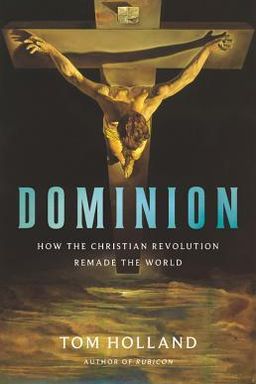
Idea 1
The Transformation of Faith and Civilization
How can a stigma become salvation? Across two millennia, Christianity reshapes moral imagination, turning shame into sanctity, weakness into virtue, and persecution into power. This book traces that astonishing metamorphosis—how the cross, a Roman instrument of humiliation, becomes the emblem of compassion; how conscience replaces ritual; and how religion builds the intellectual and political architecture of the modern world.
From Torture to Transformation
You begin in the Roman world’s shadowlands, where crucifixion exemplifies ultimate disgrace. When Christians proclaim the crucified Jesus as Lord, they invert every value. Constantine’s ban on crucifixion and Anselm’s later meditations on suffering show successive reinterpretations: from triumph to empathy. The cross evolves from punishment to pedagogy, teaching humility and compassion (echoing the broader theme that culture redefines its own symbols).
Law Written on Hearts
Paul’s revolution turns external law inward. Drawing on Jewish covenant traditions and Stoic philosophy, he declares that God’s Spirit writes morality inside humans. This new conscience makes Christianity portable—able to transcend ethnicity and empire. Through Paul’s letters, slavery and gender dissolve as moral barriers (“there is neither Jew nor Greek, neither slave nor free…”). Western notions of rights and personal moral responsibility trace back to this audacious shift.
Martyrdom, Identity, and Memory
Early martyrs turn Roman spectacle upside down. Blandina’s endurance in Lyon transforms shame into sanctity, suffering into proof. Martyrs feed a narrative that sanctifies pain and justifies authority—bishops become guardians of apostles’ memory, relics become social glue. The story of persecution becomes the seed of institutional endurance, enabling Christianity to survive and then dominate.
From Persecuted Sect to Institutional Power
With Constantine, Christianity gains imperial backing, and councils like Nicaea define orthodoxy. Disputes with heretics (Marcion, Donatus) and philosophers (Origen) push theology toward system-building. The Church morphs into a legal and political organism—bishops now administer property, build charity networks, and police belief. The alliance of empire and creed produces orthodoxy as global continuity, turning private conviction into public order.
Charity and Social Control
Basil’s Basileias and Gregory’s theology of the poor institutionalize compassion. Charity evolves from virtue to infrastructure: hospitals, hostels, and poorhouses operated under episcopal oversight. Augustine adds a moderating logic—wealth can serve moral good if disciplined by humility. Charity becomes both moral ideal and political mechanism, binding towns to bishops and giving the Church civic authority.
Monastic Energy and Missions
Withdrawal becomes conquest. Irish monks like Columbanus spread Christianity through austerity and education, transforming wilderness into networks of knowledge. Monasteries teach, write, and convert—bridging pagan frontiers and preserving civilization after Rome’s fall. Their ascetic passion fuels literacy, mysticism, and evangelization across Europe, laying groundwork for national Christian identities (as Bede does for England).
Empire, Rivals, and Cultural Codes
Christianity competes and coexists with other cosmic orders—from Persia’s Arta to Islam’s Qur’an. As Islam redraws Mediterranean boundaries, Christian polities respond by inventing their own sacred histories and chronologies (Bede’s “Anno Domini”). Christianity thus proves adaptive: borrowing Greek reason, Roman law, and Hebrew ethics to form a hybrid civilization that outlasts empires.
From Conversion to Empire
Missionary acts—Boniface chopping Thunor’s oak, Charlemagne imposing baptism by sword—display two faces of conversion: persuasion and power. Later, Alcuin’s Carolingian correctio institutionalizes this conquest of mind: uniform texts, trained clergy, and standardized prayers knit the Frankish empire into a single Christian culture. Religion, literacy, and governance merge.
Law, Reform, and Reason
The Gregorian Reform frees clergy from kings, laying papal sovereignty’s foundations. Gratian and Bologna’s jurists later fuse natural law with canon law, creating moralized legal science. Universities (Paris, Bologna) blend theology and Aristotelian reason, institutionalizing thought itself. Christianity becomes not only belief but a disciplined way of knowing—and its methods enable scientific and legal revolutions centuries later.
Reformation to Revolution
Luther’s protest at Worms liberates conscience again—this time from papal control. Global exploration and empire export Christian moral language into conquest and human rights (Las Casas, Ricci). Enlightenment inherits—and critiques—this legacy. Revolutionaries like Robespierre and Sade parody Christian judgment; abolitionists resurrect its compassion as moral law. Through reform, faith turns into public reason, anchoring universal ethics even as belief wanes.
Modern Echoes and Secular Refrains
Scientific modernity (Darwin, Huxley) reworks theology into anxiety; totalitarianisms parody faith as politics; and twentieth-century liberation—from civil rights to anti-apartheid to #MeToo—reuses Christian principles under secular banners. Even “woke” ethics inherit Pauline equality and prophetic justice. You end seeing secularism not as a rupture but as Christianity’s disguised afterlife—a long echo of compassion, conscience, and moral self-questioning that continues to shape modern activism and identity.