
Idea 1
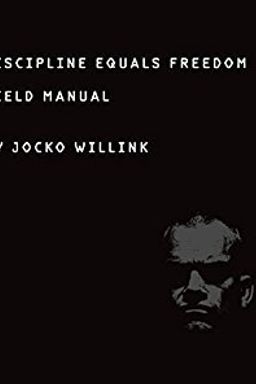
Discipline Equals Freedom
Have you ever wished to skip the hard part? To find a shortcut to success — the hack, the secret, or the motivation that gets you where you want to be? Jocko Willink’s Discipline Equals Freedom is the brutal, unflinching answer: there is no shortcut. Freedom, strength, and success come from only one thing — discipline. Willink argues that everything people desire — health, confidence, emotional control, personal accomplishment — all stem from the ability to master oneself. He calls it the “way of discipline,” and it’s not a trick but a lifestyle.
Willink, a former Navy SEAL commander, writes with the blunt precision of someone who has faced both war and comfort — and knows which one is more dangerous to the human spirit. The book acts as a field manual, built from years of leadership under fire and personal practice in civilian life. He distinguishes discipline not as a punishment but as the ultimate practice of freedom — choosing control over chaos, action over hesitation, truth over excuses.
The Central Claim: Freedom Demands Structure
The heart of the book is the paradox that true freedom doesn’t come from doing whatever you want. It comes from doing what’s right — consistently and ruthlessly. Freedom is the ability to make choices without being enslaved by bad habits, procrastination, or weakness. The person who controls their impulses and actions is the one who can go anywhere, achieve anything, and recover from any setback. Willink insists that without discipline, we lose autonomy to laziness, temptation, and fear. Discipline is, therefore, liberation itself.
In one of his opening declarations, Willink dismantles the modern obsession with shortcuts. He warns that “the hack doesn’t get you there” and that every goal worth pursuing — physical fitness, mental toughness, career mastery — requires sweat, early mornings, late nights, and relentless execution. You can either embrace discipline or remain captive to mediocrity. It’s an echo of Stoic philosophy (as in Seneca and Marcus Aurelius), but expressed in the blunt language of a soldier: there is only action, effort, and self-control.
Self-Discipline: The Internal Force
Willink’s worldview divides discipline into two kinds: external and internal. External discipline — imposed by rules, instructors, or authority — is weak and temporary. True discipline, he says, is self-discipline, a decision forged within. It is born from choice, not pressure. Discipline must be something you become, not just something you do. He calls for readers to make an internal commitment, to “embrace its cold and relentless power.” Once you do, it transforms your entire life — physically, mentally, emotionally — and, most importantly, it makes you free.
This message runs through his stories from military life. As a SEAL commander, Willink viewed discipline not as cruelty but as preparation for war. Training “brutally and without mercy,” he wanted his team ready to face any chaos. When the real battles arrived, that training saved lives. After his comrades Marc Lee, Mike Monsoor, and Ryan Job died, discipline became his way of honoring them — living each day as if their sacrifice demanded excellence. His discipline is now his memorial, his repayment to those who bought his freedom with theirs.
Action Over Hesitation
The book doesn’t talk about discipline abstractly — it tells you what it looks like. It means waking early (“stand to” before dawn), attacking the day before others are awake, exercising when you don’t feel like it, eating clean, controlling emotions, and focusing on the goal even when motivation dies. Motivation is fickle; discipline is eternal. The only time to start is here and now. Willink dismisses procrastination with a single command: “GET AFTER IT.”
He introduces techniques to overcome weakness — from “mind control” (asserting conscious dominion over feelings) to “default aggressive” (acting proactively instead of waiting passively). He teaches detachment — stepping back from emotion to see clearly and make rational decisions. Every part of the manual builds around this central doctrine: the war is against weakness, and you win it through daily, repeated acts of discipline.
The Broader Philosophy
In essence, Discipline Equals Freedom blends military pragmatism, Stoic control, and philosophical realism. Life will not treat you kindly. You will face stress, fear, temptation, and loss — but discipline gives you tools to confront them all. Willink’s message mirrors ideas from Viktor Frankl (Man’s Search for Meaning): freedom is not freedom from constraints; it is freedom to act rightly in spite of them. By grounding his philosophy in physical action, Willink makes abstract values deeply tangible — you don’t just think your way to freedom, you do your way there.
Why It Matters
For readers in an age of comfort and distraction, Willink offers a radical counter-philosophy. Success and peace are not born of ease but of effort. Discipline doesn’t make life harder; it makes life clearer. It strips away the chaos of indecision and liberates you to pursue what matters. Every person, regardless of nature or nurture, can choose discipline today — and, by doing so, choose freedom.
“There is only one way. The way of discipline. Discipline will make you better... and most important, it will make you free.”