
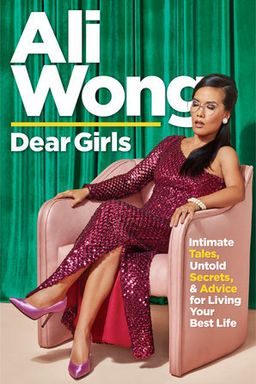
Dear Girls cover

Dear Girls

by Ali Wong

In ''Dear Girls,'' Ali Wong shares humorous and heartfelt letters to her daughters, offering wisdom on navigating life''s complexities. Through personal anecdotes, she explores the power of embracing imperfections, challenging stereotypes, and drawing strength from family roots, providing readers with a roadmap to a fulfilling and authentic life.

Love, Laughter, and Lessons: Ali Wong’s Radical Honesty About Life and Womanhood

Have you ever wished someone would drop the polished advice and tell you the truth about adulthood, motherhood, and love—with all the sweat, cursing, and cracked nipples included? In Dear Girls, comedian Ali Wong does exactly that. Through a series of funny, fearless, and deeply intimate letters to her daughters, she breaks down what it means to live as an unapologetic Asian American woman balancing identity, career, relationships, sex, and survival. What begins as a letter to her girls unfolds into a guide for anyone trying to navigate the messy contradictions of modern life with humor and heart.

In this book, Wong argues that real empowerment isn’t about perfection, politeness, or trying to have it all—it’s about embracing the ugliness and absurdity of life while staying rooted in family and your own weird truth. Across chapters that veer from raunchy to reflective, she covers her entire journey: falling in love, navigating miscarriage and motherhood, building a career in the male-dominated world of stand-up, honoring immigrant parents, exploring identity, and understanding what feminism really looks like at home.

The Power of Raw Humor

Wong’s comedic voice is the backbone of her philosophy. Like a moral philosopher in yoga pants, she cuts through hypocrisy and cultural taboos with the precision of an anesthesiologist’s daughter. From her early days bombing in dingy comedy clubs to performing pregnant in front of millions, she uses humor not just to entertain, but to survive. Her explicitness—about sex, race, failure, and bodily functions—becomes an act of rebellion in a culture that often prefers women (and especially Asian women) to be docile and quiet. In this sense, Dear Girls sits alongside works like Amy Schumer’s The Girl with the Lower Back Tattoo and Mindy Kaling’s memoirs, but with the rawness turned up to eleven.

Motherhood, Money, and Marriage

One of the book’s most powerful threads is how motherhood and work tether together instead of standing in opposition. Wong demolishes the illusion of the “perfect mom” by chronicling the gore and glory of childbirth, the fatigue of parenting, and her decision to go back on stage shortly after giving birth. Through horrific diaper blowouts and career triumphs, she insists that women owe no one an apology for ambition or exhaustion. At the same time, she pulls back the curtain on marriage to her husband, Justin Hakuta, portraying their partnership as a pragmatic, hilarious alliance built on love, prenups, and Costco habits. If Beverley Cleary wrote adult nonfiction and had an R-rated sense of humor, it might read like this.

Heritage, Race, and the Art of Being Proudly Messy

Wong’s letters explore the generational layering of identity through her immigrant parents’ stories and her experiences as an Asian American woman in Hollywood. She moves fluidly between satire and sincerity—mocking stereotypes, rejecting tokenism, and celebrating Asian pride without sentimentality. She shares memories of her frugal mother feeding the family spoiled food and her immigrant grandparents sleeping on newspapers, weaving these details into lessons about gratitude, endurance, and self-definition. Her advice to young Asian women—“Let go of seeing yourself as nothing but your race or gender”—feels both personal and political. It’s a masterclass in balancing pride with self-awareness.

Why This All Matters

At its core, Dear Girls is a handbook for laughing your way through fear—of failure, loss, judgment, or cultural limitation. Wong’s humor is not an escape but a weapon of empathy. By turning her personal chaos into comedy, she transforms motherhood into art, immigrant guilt into gratitude, and taboo into truth. Her letters become a feminist manifesto wrapped in stand-up rhythm, reminding you that real strength doesn’t come from being perfect—it comes from staying honest, loving loudly, and laughing your ass off while you do it.


Trapping Love: How Wong Found Her Match

Ali Wong opens her book—and her life story—with the wild, hysterical tale of how she met and “trapped” her husband, Justin Hakuta. Through mishaps, soft-penised flings, and terrible first dates, she portrays dating not as a rom-com fantasy but as an endurance sport where humor and stamina matter more than romance. Her tone is brutally self-deprecating yet insightful, transforming what could be pure gossip into lessons about partnership, cultural expectations, and self-worth.

Redefining Romance

Instead of seeing love as destiny, Wong shows it as something built—and sometimes stolen, one vegan dinner at a time. Her husband was, in her words, “too perfect,” which forced her to confront her own cynicism. Their relationship becomes an equal partnership grounded in practical love rather than fairy-tale thinking. She reveals how a prenup—something she initially saw as a symbol of distrust—became the surprising key to her independence and drive. Fear, not security, pushed her toward success.

Cultural Chemistry

Wong jokes that she has an “Asian fetish for Asian men” but unpacks that line with nuance. In a landscape where Asian women are often exoticized, she flips the trope by celebrating the comfort of shared cultural shorthand—dim sum jokes, hygiene standards, and all. Their shared love of coupons and tofu becomes the unlikely symbol of deep compatibility. Beneath the laughs is a message: true connection often grows from cultural continuity, but it also asks for flexibility, sacrifice, and a shared sense of absurdity.

From Comedy Clubs to Commitment

When Wong recounts showing her future husband her ass onstage during a set, she reframes comedy as a personal test of intimacy. Her ability to reveal everything—to literally expose herself—serves as a metaphor for emotional nakedness in love. This vivid chapter grounds the book’s humor in sincerity: finding the right partner is not about perfection, but about someone who can handle your whole self—dark jokes, weird families, and all.


Motherhood Without the Filter

When Wong writes about pregnancy and giving birth, she demolishes the serene stock images of glowing mothers and pastel nurseries. Her stories—bloody, hilarious, and horrifying—remind you that motherhood is more warzone than spa retreat. Yet beneath the irreverence is deep awe for the body’s power to create life and for the humor that keeps women alive during sleepless, leaking, chaotic years.

From Miscarriage to Miracles

Wong’s account of miscarriage and subsequent pregnancies is one of the most compassionate in the book. By turning trauma into comedy, she reframes loss as connection—showing how laughter becomes both rebellion and healing. She reminds readers never to trivialize someone’s pain with judgmental “whys,” and instead offers one perfect response: “I’m so sorry to hear that.” Humor becomes therapy against silence and shame, especially for women who feel isolated by their bodies’ unpredictability.

Birth, Bodily Fluids, and Bravery

Through vivid storytelling—like her C-section under fluorescent lights with a clueless anesthesiologist—Wong transforms the grotesque into the glorious. She describes the mess of motherhood (afterbirth, cracked nipples, and diapers for both her and her baby) not to shock, but to normalize. Her mantra, “You have suffered enough,” becomes a deceptively radical declaration for all mothers: you deserve rest, humor, and self-forgiveness.

Against the Myth of ‘Having It All’

Wong is no sainted mother or Pinterest guru. She admits to using Depends instead of mesh underwear, lying to get extra hospital pads, and sleeping through feedings whenever possible. This radical honesty ripples into a larger feminist message: women cannot and should not strive to “do it all.” Instead, she urges mothers to laugh, delegate, and find pride in imperfection. Her voice sits comfortably beside writers like Jenny Lawson and Tina Fey, who also redefine motherhood as imperfection made holy through humor.


Work, Fear, and the Feminist Hustle

Throughout Dear Girls, Wong paints comedy not as glamorous art but as grueling labor. From her early bomb-filled open mics to her rise as a Netflix headliner, she debunks myths about effortless genius. Female comedians, she insists, must navigate sexism, insecurity, and literal danger while making strangers laugh. Her tone—equal parts coach, big sister, and hustler—turns her career lessons into universal truths about persistence and purpose.

The Art of Bombing

Wong’s stories of performing in grimy laundromat cafés and smoke-filled basements are both humiliating and heroic. Each failure becomes a rite of passage. She explains that bombing teaches resilience, helping comedians—and anyone chasing a dream—shed the fear of public failure. The hustle of low-pay gigs and dangerous nighttime travel exposes how much courage women need just to practice their craft safely (a reality echoed by Amy Poehler and Michelle Wolf in their memoirs).

Comedy as Grit Training

For Wong, comedy is graduate school in failure tolerance. She compares it to martial arts—every performance a sparring session against rejection. Her key advice: “You have to really love it.” That love fuels the hundreds of unpaid performances, the long drives, and the sexist gatekeepers one must outlast. Behind every filthy joke lies a philosophy of craftsmanship: vulnerability + repetition = mastery.

Feminism in Practical Terms

Wong’s feminism is pragmatic. Instead of abstract empowerment rhetoric, she delivers advice grounded in lived contradictions—how to pump breast milk in a green room, how to clap back at a creep comic, how to ask for fair pay. Her message: being feminist means surviving and sometimes laughing in the face of absurd inequality. In embracing her grime, ambition, and failures, Wong models a brand of womanhood that’s fearsome precisely because it’s real.


Growing Up Asian American: Pride, Pain, and Perspective

Wong situates her comedy and personality within her bicultural upbringing in San Francisco. Her reflections reveal a nuanced portrait of Asian American identity—shaped by thrift, blunt honesty, and relentless pressure to achieve. Through family stories that mix grief with laughter, she argues that cultural contradictions can be a source of power, not confusion.

Inheritance of Immigrant Courage

By recounting her parents’ and grandparents’ journeys—from surviving poverty to arriving in an alien land—Wong frames her drive as a modern echo of their bravery. Her mom’s migration during the Vietnam War and her dad’s childhood in a tiny apartment without running water remind readers that risk and sacrifice run in her DNA. She turns intergenerational hardship into a comedic act of remembrance, not erasure.

Cultural Quirks as Superpowers

Wong’s stories of cheapness and “Asian bluntness” could’ve been stereotypes—but she reclaims them as virtues. Her family’s extreme thrift taught her financial resilience; their brutal honesty prepared her to bomb on stage without flinching. Her humor turns cultural traits often mocked in media into sources of pride. She thanks her “cheap, tough, salty” mother for giving her the grit no acting class could teach.

Breaking the One-Spot Scarcity Myth

One of her most poignant moments describes an older actress lamenting that Asian American women once believed “there’s only one spot” in Hollywood. Wong, raised in the Asian-majority world of San Francisco and UCLA, rejects that mindset. Her optimism, grounded in community pride, reframes Asian success not as rivalry but as solidarity—a blueprint for the next generation of creators.


Family Frenzy: Parents, Siblings, and the Education of Chaos

Family in Wong’s world is never tidy—it’s a hilarious ecosystem of dysfunction, love, and eternal debt. From her frugal, sharp-tongued mother to her eccentric hoarder brother Andrew, she paints family life as the ultimate crash course in humility and endurance. Through candor and affection, she shows how these chaotic relationships sculpted both her comedy and her character.

Her Mother: The Original Comedian

Wong’s mom is a force—cheap, blunt, and unintentionally hilarious. Whether feeding Ali spoiled soy milk or roasting fat friends as “prosperous,” she turns survival into satire. Wong’s later success on stage mirrors this maternal gift for finding comedy in discomfort. Her mother’s no-nonsense parenting later inspires Ali’s realization: “The most important part of parenting is just being there.”

Brother Andrew’s Chaos Lessons

In a vivid portrait of her hoarder-artist brother Andrew, Wong finds both frustration and freedom. His eccentricity—collecting vacuums, rescuing dogs, and terrifying their father with a Nixon mask—taught her that failure and weirdness weren’t fatal. By the time her turn came, her parents were too exhausted to police her. As she jokes, “They were so busy giving up on my brother they left me alone to succeed.”

Lessons from a Loud Household

Through tales of yelling matches, farting siblings, and tender funerals, Wong dismantles the myth of the model minority family. Love, in her home, is messy but ferociously loyal. Those years of fighting, odd jobs, and spontaneous karaoke became her comedic training ground. Family didn’t just shape her—it gave her the emotional armor to laugh through life.


Feminism with a Diaper Bag

Wong’s feminism isn’t academic—it’s exhausted, hilarious, and deeply practical. She confronts the gender double standards that color motherhood, marriage, and work, refusing to let feminist theory stay in ivory towers. Her stories illustrate how women’s labor—emotional and physical—keeps both households and industries running, even as society overlooks it.

Married Equality in Practice

Through comic bickering with her husband, Wong reveals that equality means distributing not just love but chores, diapers, and debt. She credits Justin for embodying feminist partnership by managing home life during her tours, allowing her to thrive publicly. Their marriage turns into a case study in redefined masculinity—one that forgives snoring and celebrates diaper changes as revolutionary acts.

Reclaiming the Working Mom

When she went back on stage weeks after giving birth, critics accused her of neglecting family. Wong answers with sharp realism: working mothers can feel both guilt and gratitude. Her message echoes Anne-Marie Slaughter’s Why Women Still Can’t Have It All: cultural guilt, not ambition, is the enemy. Through humor, she rebrands the working mother as creative hero, not sacrifice symbol.

Laughing at the Power Structure

Wong’s raunchy jokes about sex, race, and ambition aren’t just shock tactics—they’re feminist pedagogy. By saying what others fear to, she exposes the absurd policing of women’s desires. Her “C-section card” is both a running gag and an assertion of power: a reminder that women endure the unimaginable and earn the right to rest without apology.


Becoming Interesting: Life Beyond Labels and Comfort Zones

In one of the book’s closing letters, Wong gives her daughters—and all readers—unconventional advice for success: “Don’t just hang out with people who look like you.” She argues that curiosity, not conformity, drives creativity. Drawing lessons from her college years, travels, and bizarre detours, she insists the best art and the best life come from exposure to difference and risk.

Leave the Bubble

Wong’s guidance to “go out” isn’t about alcohol or small talk—it’s about living curiously. Whether moving from San Francisco to New York for stand-up or traveling through Vietnam to rediscover her cultural roots, she models how discomfort leads to self-knowledge. Like Elizabeth Gilbert in Eat, Pray, Love, she frames travel as creative test and moral education, not escape.

Risks, Failures, and Delayed Gratification

She links success to the willingness to fail repeatedly—a lesson rooted in both her comedy career and her grandparents’ immigration. “Asians love predictability,” she jokes, “but our ancestors took the biggest risk of all: coming to America.” For Wong, discomfort is inherited bravery in action. Every bombed set, every awkward conversation, every strange new dish is fuel for becoming more interesting.

Being Universal Through Specificity

By living fully inside her absurd, specific stories—pooping postpartum in a Vegas hotel, or explaining racism with a gong sound effect—Wong achieves universality. Her ultimate invitation: embrace your weirdness, own your story, and collect your experiences like jokes for a life worth retelling. Curiosity and courage, she insists, are the only inheritance that never depreciates.

Dig Deeper

Get personalized prompts to apply these lessons to your life and deepen your understanding.

Go Deeper

Get the Full Experience

Download Insight Books for AI-powered reflections, quizzes, and more.