
Idea 1
Building a Life of Financial Peace Through Common-Sense Habits
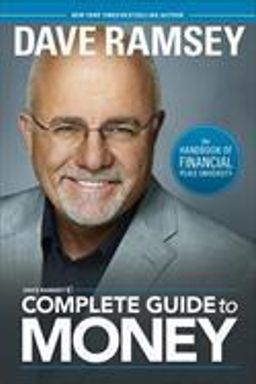
Have you ever felt that money was controlling you rather than the other way around? In Dave Ramsey’s Complete Guide to Money, Ramsey argues that anyone can achieve financial peace by following a simple, step-by-step system rooted in timeless wisdom. His core message is blunt but liberating: personal finance isn’t rocket science—it’s about behavior, discipline, and consistency. According to Ramsey, the path to wealth and peace with money comes not from complex investments or lucky breaks but from living by principles your grandmother could have taught you, especially those he calls the Baby Steps.
Ramsey developed this approach after losing millions in the 1980s due to risky real-estate borrowing. Once broke, he learned that true financial success depends on personal transformation, not financial gimmicks. Through his bestselling books, radio show, and Financial Peace University courses, Ramsey teaches people how to take control of their finances one steady step at a time—building not only wealth but a life free from the stress of debt.
From Chaos to Financial Peace
Ramsey’s story is every bit a redemption narrative. After recovering from bankruptcy, he vowed to share his lessons about living debt-free. He discovered that most financial problems aren’t math problems—they’re behavior problems. His advice combines practical budgeting and debt repayment strategies with emotional and spiritual principles, blending biblical values with modern personal-finance psychology. The ultimate goal isn’t just accumulation; it’s peace—the freedom to live without worry, stress, or dependence on credit.
That peace comes through the seven Baby Steps, a roadmap anyone can follow: 1) saving a beginner emergency fund; 2) paying off debt through the Debt Snowball method; 3) establishing a full emergency fund; 4) investing 15% of income for retirement; 5) saving for children’s college; 6) paying off the mortgage early; and finally, 7) building wealth and giving generously. These incremental stages create momentum, turning financial discipline from a struggle into a lifestyle.
Why Money Is Mostly Behavior
Ramsey repeats throughout the book that personal finance is only 20% head knowledge and 80% behavior. This behavioral focus draws from psychology and self-help traditions similar to Charles Duhigg’s The Power of Habit and Stephen Covey’s The 7 Habits of Highly Effective People. To Ramsey, knowing what to do isn’t enough—you must change your habits to sustain success. Whether it’s budgeting, saving, or giving, consistency is what changes your family’s future.
Ramsey uses humor, tough love, and relatable anecdotes—from families paying off six figures in debt to college students learning to live within their means—to show that the Baby Steps work for anyone willing to stick to them. The heart of his approach is moral renewal: learning to say no, to plan with purpose, and to reject the culture of debt that paralyzes modern households.
The Broader Message: Redefining 'Normal'
Ramsey often says, “Normal is broke—be weird!” He wants readers to realize that living in debt is the social norm, but financial peace comes from choosing to live counterculturally. After all, “normal” people use credit cards, car loans, and home equity lines to fill emotional gaps, while “weird” people live within their means, give generously, and actually sleep well at night. He challenges you to replace impulsive, short-term gratification with long-term thinking and self-mastery.
Unlike other finance authors focused solely on portfolios or retirement strategies (such as Robert Kiyosaki or Suze Orman), Ramsey blends practical budgeting tools with deeply ethical and spiritual values. He sees money as an instrument for service—what he calls “God’s and Grandma’s ways of handling money.” His endgame isn’t luxury but legacy: reaching a point where you’re debt-free, financially secure, and able to be recklessly generous.
Why These Ideas Matter Today
In a culture obsessed with instant gratification and financial complexity, Ramsey’s simplicity feels refreshing. As he reminds his readers, “It’s not rocket science. It’s just stuff my grandmother could have taught.” The discipline to save, avoid debt, live on a budget, and give is timeless—but increasingly rare. By reclaiming these habits, Ramsey contends, you not only restore control over your money but also over your emotions, relationships, and future.
“If you will live like no one else, later you can live like no one else.”
That motto encapsulates the book’s spirit: make sacrifices now to enjoy a life of freedom later. Dave Ramsey’s Complete Guide to Money isn’t about fancy formulas—it’s about reclaiming control, dignity, and peace. Follow his steps, and you can transform from surviving paycheck to paycheck to thriving with purpose, generosity, and joy.