
Idea 1
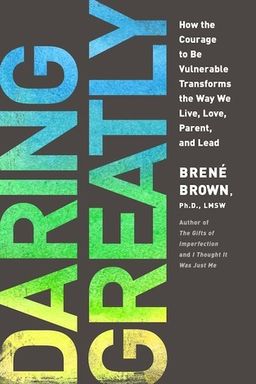
Daring Greatly: The Power of Vulnerability
When was the last time you truly allowed yourself to be seen—uncertain, imperfect, and unguarded? In Daring Greatly, Brené Brown argues that the courage to be vulnerable is not a weakness but the foundation of connection, creativity, and meaning. Drawing from over a decade of research on shame and Wholehearted living, Brown contends that the willingness to show up and be seen—even when there are no guarantees—is what separates those who lead, love, and live wholeheartedly from those who retreat behind fear, criticism, or perfectionism.
The book borrows its title from Theodore Roosevelt’s 1910 speech “Citizenship in a Republic,” which celebrates the person “in the arena” who strives valiantly, fails again and again, and yet continues to engage. Brown sees vulnerability as this “being in the arena”—a choice to participate fully in life rather than watching from the bleachers in judgment or self-protection. Vulnerability, she states, is not about winning or losing; it’s about showing up when you cannot control the outcome.
The Culture of Scarcity
Brown begins by exploring our “culture of never enough.” From the moment we wake (“I didn’t get enough sleep”) to the moment we sleep (“I didn’t get enough done”), our sense of inadequacy drives anxiety, comparison, and disconnection. This scarcity mindset convinces us that we’ll never be good enough, thin enough, successful enough, or secure enough. Its antidote, she argues, is not abundance but Wholeheartedness—living from a deep sense of worthiness that says, “I am enough.”
Scarcity thrives in environments defined by shame, comparison, and disengagement, which Brown observes in families, schools, and workplaces. But when we cultivate communities of courage, compassion, and connection, we create space for vulnerability—and therefore for innovation, empathy, and belonging.
Vulnerability as Courage
Brown dismantles common myths that equate vulnerability with weakness, oversharing, or naivety. Instead, she defines it as “uncertainty, risk, and emotional exposure.” Every act of love, creativity, or leadership, she explains, requires this exposure. Whether it’s saying “I love you” first, presenting a new idea, or asking for help, vulnerability means stepping into uncertainty and trusting that our worthiness isn’t dependent on the result. (Psychologically, this parallels what Carol Dweck calls a “growth mindset,” where failure becomes feedback, not evidence of inadequacy.)
Through stories from her own life—including the viral TEDxHouston talk that left her with what she called a “vulnerability hangover”—Brown shows that daring greatly demands humility and courage in equal measure. Vulnerability, she notes, is the birthplace of empathy, creativity, and love—the very capacities that give life meaning.
Shame as the Enemy of Worthiness
At the heart of disconnection lies shame—the belief that we are flawed and therefore unworthy of love or belonging. While guilt says, “I did something bad,” shame whispers, “I am bad.” Brown’s research demonstrates that shame corrodes the belief that we can change and disconnects us from others. It breeds secrecy, silence, and judgment—the very conditions that feed scarcity. Naming shame and speaking it aloud, however, disrupts its power. “Shame hates having words wrapped around it,” she writes.
Building shame resilience means recognizing its triggers, cultivating critical awareness, reaching out for empathy, and speaking our experiences instead of hiding them. This ability to “speak shame” and seek connection is what allows us—and our workplaces, families, and schools—to heal and thrive.
Rehumanizing Work, School, and Home
In later chapters, Brown expands her ideas beyond the individual. Our institutions, she argues, also mirror our personal fears of vulnerability. When organizations use shame to control behavior—through public blame, fear-based leadership, or “never enough” competition—engagement and creativity die. Rehumanizing systems means replacing fear with empathy, curiosity, and accountability. Leaders who dare greatly model openness: admitting when they don’t know, asking for help, and normalizing discomfort as part of growth.
She offers guidelines for what she calls “disruptive engagement,” where people are safe to give feedback, own mistakes, and ask hard questions. Families and schools also thrive when love and belonging are unconditional—where children, as she writes in her Wholehearted Parenting Manifesto, learn that they are “loved and lovable” not for their achievements but for who they are.
Why Daring Greatly Matters
Brown’s central argument is both radical and simple: what we know matters, but who we are matters more. By choosing to engage vulnerably—to risk uncertainty and emotional exposure—we reclaim the fullness of our humanity. Daring greatly, then, is not a call for reckless exposure but an invitation to courageous living. The question isn’t whether we’ll fall, but whether we’ll show up in the arena, dust ourselves off, and try again.
For anyone navigating leadership, love, parenting, or creativity in a world obsessed with perfection and control, Daring Greatly is both a challenge and a lifeline. It reminds you that the real danger is not in vulnerability itself—but in abandoning your capacity for it. As Brown writes, “Vulnerability sounds like truth and feels like courage. Truth and courage aren’t always comfortable, but they’re never weakness.”