
Idea 1
Turning Creativity into a Thriving Business
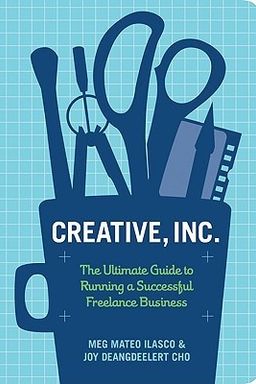
Have you ever wondered what would happen if you poured as much passion into working for yourself as you do working for someone else? Creative, Inc. by Meg Mateo Ilasco and Joy Deangdeelert Cho answers that question with a roadmap for turning raw artistic talent into a sustainable freelance career. The authors argue that freelancing isn’t simply an escape from corporate monotony—it’s an entrepreneurial leap that demands creativity, discipline, and a hefty dose of courage. They contend that building a successful freelance business means mastering two worlds: the creative and the commercial.
Creative careers can feel intoxicating—imagine designing for global brands, illustrating children’s books, or launching your photography studio from home. But Ilasco and Cho remind you that freelancing is a leap of faith. It’s rewarding, liberating, and risky, all at once. They weave together practical advice and the real-life experiences of illustrators, designers, animators, and photographers to show how creative independence can be both exhilarating and daunting.
The Freelance Mindset
At its core, the book asks you to shift from thinking like an artist to thinking like a business owner. Freelancing means becoming your own boss—someone who sets goals, makes decisions, manages finances, and nurtures client relationships. The authors describe this transition as emotional as well as practical. You’ll go from the comfort of a paycheck and predictable hours to the uncertainty of fluctuating income and a constantly changing client roster. Like many of the creatives featured, from illustrator Andrew Bannecker to animator Chris Riehl, your ability to balance inspiration with structure will determine your success.
Most importantly, the authors stress that artistic confidence isn’t enough. Freelancing requires negotiation skills, self-promotion, time management, and resilience. You’ll wear multiple hats—creator, accountant, marketer, and customer-service rep. It’s an exhilarating responsibility that rewards those who embrace entrepreneurship rather than resist it.
From Passion to Profit
Creative, Inc. expands the idea that freelancing transforms passion into profit—not just by doing what you love, but by learning to price your value. The book demystifies how to set fees, create contracts, and manage taxes. Ilasco and Cho show that earning income creatively means establishing boundaries and understanding that being busy doesn’t always equal being profitable. This focus on smart financial management elevates the work from hobbyist dreaming to entrepreneurial planning.
Throughout the book, the authors highlight case studies of freelancers who learned these lessons firsthand. For instance, tax advisor Mark Fox explains why treating receipts like actual money is essential for long-term stability. Animator Ward Jenkins admits that learning to value his time was key to balancing creativity and family life. Each story underscores that independence demands responsibility—a theme echoed across other practical guides like Austin Kleon’s Show Your Work or Paul Jarvis’s Company of One.
Building a Brand That Represents You
A major argument of the book is that self-promotion is not self-indulgence—it’s survival. To succeed as a freelancer, you must broadcast what makes you unique. The authors cover everything from crafting a portfolio and website to maintaining public visibility through networking, blogging, and referrals. Photographer Thayer Allyson Gowdy shares how meeting clients in person and maintaining a strong personality helped launch her editorial career at major magazines. Likewise, food photographer Matt Armendariz describes how his blog built global recognition and brought major clients knocking.
Branding, the authors argue, is how clients connect with your identity. It’s not just your logo or website—it’s the personality of your business. Every postcard, handshake, and email contributes to your reputation. Freelancers must become their own PR team, blending artistry with professionalism.
The Human Side of Creativity
While Creative, Inc. offers technical advice, its heartbeat is human connection. Freelancing blurs the boundaries between art, commerce, and life. The book explores how to maintain balance—to avoid burnout, sustain relationships, and protect your mental health. Ward Jenkins and graphic designer Andrew Almeter exemplify how thriving freelancers use structure and leisure to stay refreshed. Meg and Joy show that freelancing’s joy comes not only from freedom but also from the rhythm of creating, resting, and reconnecting with real life.
Why These Ideas Matter
In a world increasingly defined by independent work and creative entrepreneurship—from Etsy artisans to digital content creators—Creative, Inc. is more relevant than ever. It’s a manual for the modern “creative freelancer” navigating unconventional paths and redefining what career success means. Readers emerge with a sharpened understanding of freelancing as both an art and a profession—a lifestyle that blends creativity, autonomy, and business acumen. Whether you’re just starting or seeking to evolve your studio, Ilasco and Cho’s book helps you see that freelancing isn’t about escaping structure—it’s about creating one that fits you.