
Idea 1
1960: Power, Media, and Morality
How do you win power when the rules of politics are changing under your feet? This book argues that 1960 is the year American campaigning is rewired: primaries become the path to legitimacy, television becomes the main stage, civil rights erupts from the grassroots into the ballot box, and Cold War crises leak into stump speeches. At the same time, shadow networks—celebrity, organized crime, and covert intelligence—sidle up to official politics, blurring boundaries between persuasion, secrecy, and law. You witness a contest not only between John F. Kennedy and Richard Nixon, but between old and new systems of making a president.
A new route to nomination
Kennedy flips the old smoke-filled-room model by announcing in January 1960 that he will run directly through the primaries. He targets New Hampshire for media momentum, Wisconsin for message discipline, and West Virginia to stress-test his Catholicism. Each state becomes a stage: women’s teas, factory gates, a Sinatra jingle in Wisconsin, and a relentless house-to-house push convert votes into a narrative of inevitability. The payoff is a first-ballot nomination in Los Angeles—but the cost is brutal: laryngitis, nonstop travel, and constant exposure of health and private life to public risk.
Television takes center stage
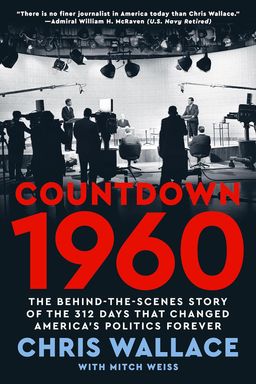
The first televised presidential debates make optics as important as argument. Nixon arrives gaunt, feverish, and makeup-free; Kennedy looks rested, tanned, and looks into the camera as if speaking to each voter at home. Millions see the contrast. The medium recodes political performance: presence and poise now rival policy expertise. From then on, you must master the screen, not just the stump. (Note: Theodore H. White’s The Making of the President, 1960 famously crystallizes this media revolution.)
Civil rights forces moral choice
Sit-ins that begin in Greensboro turn a lunch counter into a national mirror. Dignified nonviolence spreads across cities, harnesses media attention, and imposes economic pressure on segregated businesses. When Martin Luther King Jr. is jailed in Georgia, Kennedy’s brief call to Coretta Scott King—and Robert Kennedy’s push to secure MLK’s release—move Black voters in a race decided by inches, while Nixon’s silence alienates earlier allies like Jackie Robinson. Grassroots courage meets elite calculation, and the candidates’ choices reveal their priorities.
Cold War crises shape domestic narratives
The U-2 shootdown humiliates the Eisenhower administration and questions Republican stewardship of national security. Castro’s Cuba tilts toward Moscow, and CIA-backed exile training becomes an open secret. Alabama’s governor briefs Kennedy on an imminent invasion plan, giving JFK leverage to push aggressive rhetoric that Nixon cannot refute without betraying operational secrecy. Foreign policy becomes political leverage, and secrecy becomes a weapon in the public square.
The shadow world: celebrity, cash, and covert action
Frank Sinatra lends glamour and donors, but also proximity to mob figures like Sam Giancana. Judith Campbell’s liaison with JFK, her satchel of cash to Giancana for West Virginia, and the CIA’s outreach to mobsters (Roselli, Giancana, Trafficante Jr.) to kill Castro reveal a disturbing overlap of politics, money, and covert violence. Campaigns aren’t just marches and speeches; they are also backchannels and compromises with dubious allies. (Parenthetical note: later Church Committee investigations would interrogate these CIA–mob boundaries.)
Norms under strain—and preserved
After election night, Republicans seek recounts in Illinois and Texas, reporters like Earl Mazo document irregularities, and legal skirmishes bloom. Yet timelines close, courts demur, and Nixon—citing Cold War stability—chooses not to trigger a constitutional crisis. That concession, despite private doubts, sustains the norm of peaceful transfer even as it leaves a bitter story line in Republican circles.
Key Idea
1960 fuses mass media, primary-driven legitimacy, moral pressure from civil rights, Cold War peril, and hidden networks into a single crucible—teaching you that modern elections hinge on narrative control, ethical choices, and the management of both public stagecraft and private risk.