
Idea 1
When Content Becomes the Soul of Your Brand
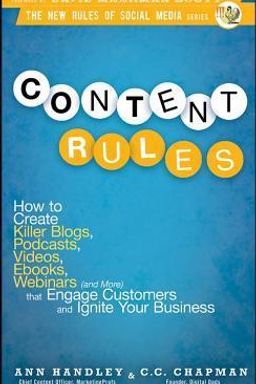
Have you ever felt frustrated that your marketing seems to annoy rather than inspire people? In Content Rules, Ann Handley and C.C. Chapman argue that the secret to transforming your business is deceptively simple: create content so valuable, genuine, and useful that customers seek it out rather than avoid it. They contend that every business—whether it sells solder paste, golf lessons, or social advocacy—must learn to act like a publisher, not an advertiser. This isn’t just about producing words, videos, or blogs; it’s about developing a consistent voice, clear intention, and lasting relationship with your audience.
Handley and Chapman identify a profound shift in marketing: the Internet has democratized publishing. Every company, artist, nonprofit, or government agency now holds the same power once reserved for media giants. Your audience lives online, searching Google, scrolling Instagram, asking peers for recommendations, and rejecting hollow slogans. To thrive, you must meet those people where they are—with content that shares and solves rather than shills. This approach reframes marketing from pushing products to pulling customers through storytelling, education, and trust.
From Interruption to Invitation
Traditional marketing relied on interruption—ads in magazines, commercials on TV, calls at dinner—that forced attention. Handley and Chapman say those methods no longer work because consumers have taken control. As David Meerman Scott, author of The New Rules of Marketing and PR (which inspired this book), notes, buyers research and decide on their own before contacting sales. The authors urge you to replace interruption with invitation. Instead of shouting what you sell, publish useful content that helps your audience solve problems, learn something new, or feel inspired. When you do that well, customers will not only listen—they’ll share your message themselves.
Why Content Rules
The book’s central argument boils down to this: content is the ultimate competitive advantage. It drives awareness, trust, and loyalty before any sale happens. Unlike ads, great content doesn’t expire; it becomes an “information annuity,” as consultant Jay Baer calls it—a resource that keeps paying you back long after its initial publication. Whether through blog posts, videos, podcasts, or webinars, your content forms the emotional and intellectual backbone of your brand. It reveals personality, earns credibility, answers questions, and humanizes your business. Marcus Sheridan of River Pools and Spas proves this point by treating his company not as a “pool installer” but a content marketing firm. By publishing transparent, educational articles like “How Much Do Fiberglass Pools Cost?” Sheridan turned a tiny Virginia business into the nation’s top pool seller.
Learning the Publisher’s Mindset
If every company is now a publisher, Handley and Chapman insist that means embracing editorial discipline. You must understand your audience’s needs (“what keeps them up at night”) and build your brand voice around authenticity and human connection. Instead of corporate jargon—what they call “Franken-speak”—your language should sound conversational, sincere, and empathetic. Voice becomes the expression of your brand’s identity, akin to a musician’s tone or a novelist’s style. Think of the email platform Emma.com, whose homepage reads like a friendly chat instead of an ad. Its simple, witty copy (“see ya around, support phone queue”) makes visitors feel like they’re talking to a person, not a marketing automation robot.
The Book’s Impact and Scope
Across the chapters, Handley and Chapman combine storytelling with practical frameworks—their infamous eleven Content Rules. These rules teach creators to speak human, share or solve (never sell), reimagine rather than recycle, and play to their strengths. They detail how to use blogs as hubs, webinars as conversations, photos as emotion, and videos as visual trust builders. Each concept is illustrated through real-world examples—from Boeing’s brand journalism to Kodak’s employee blogging, HubSpot’s inbound marketing machine, and PinkStinks’ social activism. These diverse stories prove that the rules apply across industries and scales.
Why This Matters to You
You may already have a website, a newsletter, or even a social media presence. But are you publishing content that connects, teaches, or delights people—or merely filling space? Content Rules challenges you to raise your standards: become a trusted voice, not a noise maker. In doing so, you enter what the authors call a “campfire economy,” where conversation and community replace one-way broadcasting. Whether you’re a solo consultant or a global enterprise, this shift is monumental. Great content doesn’t just sell—it builds relationships that turn audiences into loyal advocates. And in a world where attention is scarce, that kind of loyalty is the most valuable product of all.