
Idea 1
Building a Business by Building an Audience First
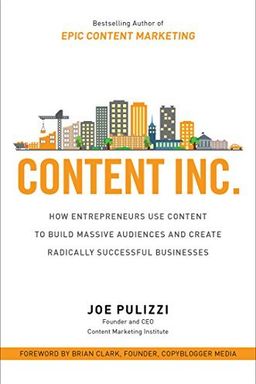
What if the fastest way to entrepreneurial success wasn’t to create a product—but to build an audience first? In Content Inc., Second Edition, Joe Pulizzi argues that the most reliable and least risky way to start a business today is to develop a loyal, subscribed audience through valuable content before ever selling anything. He calls this the Content Inc. model—a radically different approach that turns the traditional product-first philosophy on its head.
Pulizzi contends that the explosion of digital tools and social platforms has democratized publishing. Anyone can now act like a media company. The key is not shouting about products but attracting attention through consistent, helpful, and differentiated content. By doing so, individuals or small startups build a direct relationship with an audience—a foundation that later allows them to sell multiple products, launch services, or even exit for millions.
The Core Idea: Audience Before Product
Unlike a conventional startup plan that begins with identifying a market gap and then investing heavily to develop a product, the Content Inc. model begins with something most people already have: expertise, passion, or skill. Entrepreneurs first share that knowledge freely through digital storytelling—blogs, podcasts, YouTube videos, newsletters—and attract subscribers who trust them. Only once that trust and audience grow do they monetize with products, memberships, events, or consulting. This model lowers financial risk while increasing the potential for outsized success.
Pulizzi himself lived this process. After leaving a six-figure job, he built Content Marketing Institute (CMI) entirely from scratch by giving away valuable how-to resources to marketers. Within five years, his audience-first business generated $10 million in annual revenues and later sold for nearly $30 million.
The Seven Steps of the Content Inc. Model
Pulizzi identifies seven stages entrepreneurs follow to build a content-driven enterprise:
- Find your Sweet Spot: The intersection of your knowledge or skill and an audience’s need. For example, engineer Anthony Fasano combined his expertise in communication with engineers’ desire to advance their careers, creating the Engineering Management Institute.
- Identify your Content Tilt: Define a unique angle that differentiates your story, as Danish makeup brand Miild did by focusing on the science behind hypoallergenic cosmetics.
- Build the Base: Choose one core platform (blog, podcast, video) and publish consistently, mastering one format before diversifying. Pulizzi quotes comedian Jim Carrey’s advice to “file down the sharp edges” by doing one thing repeatedly until great.
- Build the Audience: Convert casual fans into subscribers, usually through an email list—a controllable, direct channel.
- Monetize: Once trust is built, align revenue models such as sponsorship, consulting, events, or e-books with audience needs.
- Diversify: Expand into more channels, formats, or brand extensions—similar to how Disney evolved from animated films into theme parks, merchandise, and streaming.
- Sell or Go Big: Ultimately decide whether to keep scaling or exit the business, as Pulizzi did with CMI.
Why the Content Era Changes Everything
Before the 1990s, controlling media required deep pockets—printing presses, broadcast towers, or distribution networks. Today, anyone with a smartphone can outcompete traditional publishers. Pulizzi cites YouTube creators, podcasters, and niche bloggers who’ve built empires from zero marketing budget. Technology, social engagement, and search empower ordinary people to connect with millions. What replaces money is consistency, clarity, and community.
He draws from Napoleon Hill’s Think and Grow Rich and Gary Keller’s The ONE Thing: success comes from focus and persistence. Content entrepreneurs win by showing up relentlessly with credible expertise until they become the go-to source in their niche. Patience, he warns, is essential—it may take two or three years before major profit appears, but the compounding effect of trust cannot be matched by paid advertising alone.
Why This Model Resonates Now
The timing, Pulizzi argues, makes the content-first path irresistible. During economic uncertainty or layoffs—like COVID-19’s global disruption—this framework allows individuals to build from home with little capital investment. It works as well for authors, coaches, and teachers as for small companies and global enterprises. What unites them all is audience empathy: when you consistently help people solve real problems, products naturally emerge from those relationships.
“Becoming a media company is no longer optional; it’s survival.” —Joe Pulizzi
In the chapters that follow, Pulizzi dissects each step—from defining your voice and audience to building revenue and planning an exit. His purpose is not simply to teach you marketing but to free you from dependence on employers or investors. When you own an audience that trusts you, he argues, you own the most valuable business asset in the digital age.